The Healing Power of Plants: How Gardening Improves Mental Health
In this world where the pace grows ever faster, many feel utterly exhausted, even sleep offering no respite. With thoughts in turmoil and spirits weighed down, tranquility becomes a precious commodity. As urban clamor intensifies, screen glare grows more piercing, and daily pressures mount relentlessly.
Amidst this ceaseless din, a quiet power waits for us. It doesn't buzz, flash, or demand attention. It grows slowly, breathes gently, and asks only for tender care. Gardening, an activity as old as human history, has once again emerged as a powerful tool for healing the soul.
The simple act of tending to plants is now widely recognized as an effective way to relieve stress, reduce anxiety, dispel depression, and restore emotional balance.---
The Modern Mental Health Dilemma
Mental health challenges are no longer rare or hidden. People of all ages experience stress, anxiety, burnout, loneliness, and emotional exhaustion. Work pressures, financial worries, social isolation, and constant digital device use intensify these issues. Many feel disconnected from themselves and the world around them.
While psychotherapy, medication, and support systems remain vital and necessary, people are increasingly seeking gentler, everyday approaches to mental wellness. They crave natural, accessible methods that provide a sense of grounding. Gardening has quietly filled this void, offering not a quick fix but enduring solace.
It requires no special skills or expensive tools. It can happen in backyards, on balconies, by windowsills, or in public spaces. What matters isn't the garden's size, but the relationship formed between people and plants.
Long before cities, offices, and screens existed, humans were deeply connected to nature. Survival depended on understanding plants, seasons, soil, and weather. Over time, this relationship shaped the human brain and nervous system. Nature became a source of safety, rhythm, and meaning.
A Gentle Form of Healing
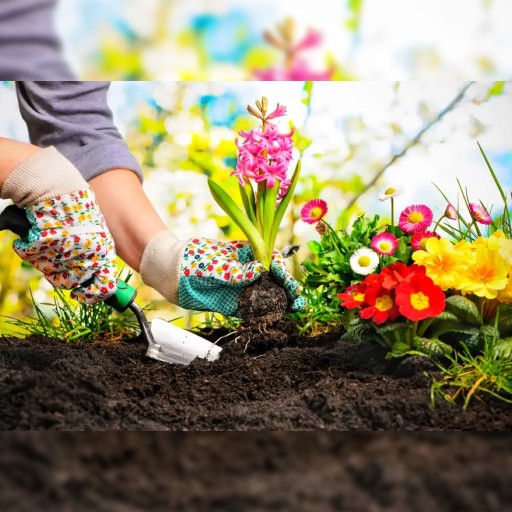
Gardening is often described as a form of healing, and for good reason. It combines movement, focus, creativity, and care. Unlike tasks driven by efficiency or perfection, gardening allows for mistakes and patience. There's no pressure to rush. Plants grow at their own pace, teaching us acceptance and trust.
This soothing rhythm helps calm racing thoughts and lighten mental burdens. For those struggling with anxiety, gardening offers a grounding activity that anchors us in the present moment. For those with depression, gardening offers small yet profoundly meaningful goals.
Planting seeds, watering, or witnessing new growth brings a sense of accomplishment and fulfillment. When motivation is low, these small victories provide immense comfort. Routine and structure often improve mental health, yet many struggle to maintain strict schedules.
Gardening introduces regularity in a gentle, flexible way. Plants require regular care, yet they are forgiving. Missing a day does not spell failure. This balance helps individuals rebuild routine without pressure.
Watering in the morning or checking the soil at dusk creates moments of calm within the day. Over time, these moments become pillars of support, offering stability amid emotional fluctuations.
How Gardening Alleviates Stress and Anxiety
Stress and anxiety often stem from a sense of loss of control. Gardening gently redirects attention to controllable things in a healthy way. While we can't force plants to grow quickly, we can offer care and attention. This teaches a valuable lesson: effort matters, but results take time. As hands touch soil and leaves, the nervous system begins to relax.
Breathing slows, muscles soften, and the body shifts away from the fight-or-flight stress response. Repetitive gardening motions—digging, pruning, planting—have a meditative, calming effect. Attention focuses on simple actions, reducing intrusive anxious thoughts.
Depression often brings feelings of emptiness, hopelessness, and low energy. Gardening gently eases these negative emotions. Even when the caretaker feels low, plants respond to care. Witnessing life respond to care fosters a sense of connection and purpose. Observing plants grow serves as a reminder that change is possible, even when it feels slow or distant.
The Healing Power of Nurturing Life
Caring for plants activates our nurturing instincts. This can bring profound healing, especially for those feeling disconnected from others or themselves. Plants do not judge, criticize, or demand explanations. They simply respond to your care. This safe responsibility builds confidence and self-worth.
Over time, tending plants helps people rediscover the capacity for care and tenderness—not only toward others but also toward themselves. For those experiencing loss, trauma, or emotional pain, gardening offers a quiet space for reflection.
It allows emotions to surface naturally, without forcing conversation or analysis. Activities like sowing seeds, examining textures, or observing growth focus attention on what is happening in the present moment.
The senses are engaged. The earthy scent of soil, the rustle of leaves, the feel of water, and the sight of green growth all shift attention away from worries about the past or future.
Building Social Connections Through Gardens
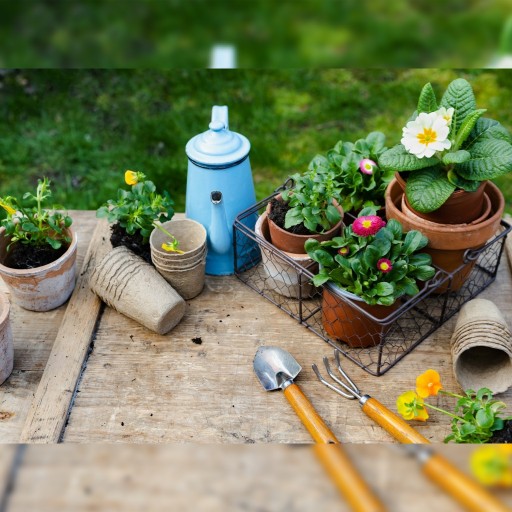
Loneliness is a growing mental health concern. Community gardens create opportunities to connect without forced interaction. People can work side by side, share tools and advice, or simply offer quiet companionship. These shared spaces foster a sense of belonging. Conversations often arise naturally, centered around plants rather than personal troubles.
This creates a safer, more comfortable environment for those who find socializing challenging. Collaborative gardening builds trust and cooperation. It reminds individuals they are part of a larger living system, thereby reducing loneliness.
The mental health benefits of gardening extend across all stages of life. Children learn patience, responsibility, and emotional regulation by caring for plants. Gardening helps them understand the meaning of growth, change, and effort. For working adults, gardening offers a temporary escape from screens and mental strain. It creates a boundary between work stress and personal time.
For older adults, gardening helps maintain memory, mobility, and emotional well-being. It provides purpose in retirement and helps preserve a sense of value and belonging.
Challenges and Realistic Expectations
Gardening is not a panacea. It cannot replace necessary professional mental health care. Plants may wither, weather may affect crops, and progress can feel slow. Yet these challenges also teach resilience and acceptance. Gardening encourages patience and flexibility over perfectionism. The goal isn't a flawless garden, but a process beneficial to mind and body.
Even imperfect efforts hold value and meaning. Modern life often disconnects us from nature's rhythms. Gardening reestablishes this connection in a way that fits daily life. It demands our attention, care, and commitment—qualities frequently overlooked in busy routines.
As mental health challenges grow globally, simple, accessible practices become increasingly vital. Gardening offers healing without pressure, cost, or complexity. Whether people seek tranquility, purpose, or moments of peace, gardening meets their needs.
 1
1 1
1OTHER NEWS
-
- How do I Choose Between Selling my Home and Renting it out?
- By Wendy 24 Apr,2023

-
- High-yield stocks vs. growth stocks: Which type of investment is more resistant to risks? A game of wealth defense and offense
- By ZH 23 Jul,2025

-
- Yield Curve Inversion Resurfaces: Is There Still Hope for a Soft Landing in the U.S. Economy?
- By ZXY 31 Jul,2025

-
- With China's exports declining, is the global consumption chain beginning to break?
- By ZXY 31 Jul,2025

-
- Global manufacturing is slowing down in tandem. When will deflation strike?
- By ZXY 01 Aug,2025

-
- How to Effectively Manage Debt: Strategies for Balancing Payments and Savings
- By YCY 07 Jan,2026

-
- Trump reignites tariff war, global supply chains face another shakeup
- By ZXY 28 Jul,2025

-
- Gold surges to a new all-time high—what are investors afraid of?
- By ZXY 29 Jul,2025

-
- "Buy Now, Pay Later" is changing the consumer finance landscape: a payment revolution spreading around the world
- By ZH 25 Jul,2025

-
- Watch out for the Following Credit Card Scams!
- By Wendy 24 Apr,2023

-
- How much longer can the seven tech giants of the US stock market withstand high interest rates?
- By ZXY 28 Jul,2025

-
- Do small businesses really need tax services? When can they file their own taxes?
- By YCY 27 Jan,2026