Trump reignites tariff war, global supply chains face another shakeup
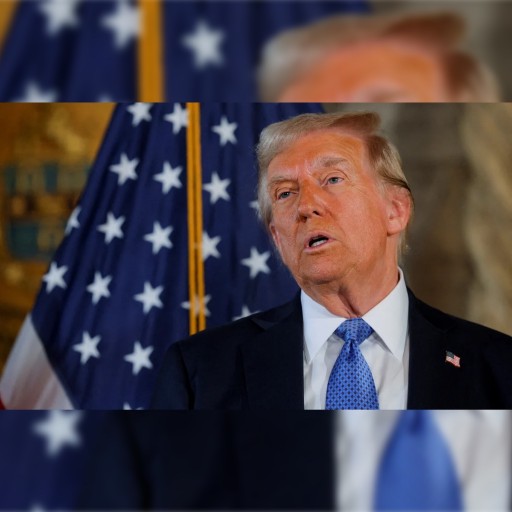
When tariffs become a tool of geopolitics, the global trade system is no longer just about the exchange of goods. In 2025, Trump announced during his campaign that he would once again impose high tariffs on products from China, Mexico, and the EU, claiming it was the “only way to protect American manufacturing.”
This move immediately triggered market turmoil and once again put global supply chains, already reshaped by the pandemic and geopolitical conflicts, at risk of deep restructuring.
If this policy is implemented, where will the global trade landscape head? How will capital markets react? How should businesses respond to the resurgence of “deglobalization”? This article will analyze the fiscal logic and industrial impacts of this potential “new Cold War” from financial and economic perspectives.
The Core Content and Logic of Trump's Tariff Policy
The core of Trump's tariff proposals is a return to the “America First” trade policy he pursued during his 2017–2020 presidency:
Imposing tariffs of up to 60% or more on all Chinese manufacturing products;
Imposing “adjustment tariffs” at certain rates on “alternative supplier countries” such as Mexico, Vietnam, and India;
Imposing high protective barriers on key technology products such as electric vehicles, batteries, semiconductors, and photovoltaics;
Imposing additional punitive tariffs on countries violating U.S. intellectual property rights and market access policies.
Compared to the 2018 round of U.S.-China trade friction, this “contingency plan” is broader, deeper, and more politically charged. Trump and his team believe that only through pressure-based negotiations and aggressive taxation can other countries be forced to make concessions and bring manufacturing “back to the United States.”
This approach is clearly driven by domestic political considerations, particularly regarding employment, industrial hollowing-out, and voter sentiment, with tariffs serving as a key tool to secure support from the “Rust Belt.”
What major impacts will the global supply chain face?
1. The trend of trade flowing back to the US from China will be further intensified
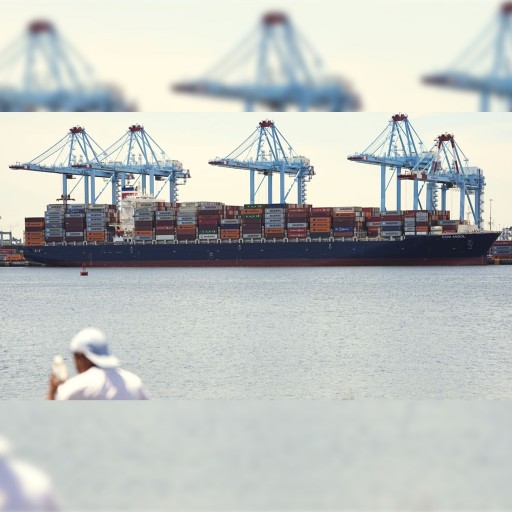
Following the previous round of the US-China trade war, many Chinese companies had already relocated part of their production lines to Vietnam, India, Mexico, and other regions to avoid tariff pressures. If Trump imposes additional high tariffs, this trend will intensify. Multinational corporations will accelerate their “China+1” strategic布局, enhancing manufacturing capabilities in Southeast Asia, South Asia, and even Africa.
However, this process is not without costs. Emerging markets have weak infrastructure, lower labor efficiency than China, and geopolitical instability, meaning overall costs will still rise, thereby driving up global consumer prices and exacerbating global inflation.
2. High-tech supply chains may further fragment
Supply chains in key industries such as semiconductors, artificial intelligence, and green energy are already in a “quasi-cold war” state. If tariff policies are escalated, coupled with export controls, investment reviews, and other non-tariff barriers, it means that the “decoupling” between the US and China in the technology sector will become more thorough.
For example, tech giants like Apple, Qualcomm, and Tesla may have to build “two supply systems” between the US and China, which will increase costs and slow down innovation. At the same time, global tech cooperation and talent mobility will also be hindered, forming a “tech iron curtain.”
3. Emerging markets become the “sandwich layer”
If Trump expands trade barriers against Mexico, India, Vietnam, and other countries, it will severely impact emerging markets that had hoped to take over China's manufacturing capacity. These countries may face a “double squeeze”—unable to fully absorb China's production capacity while also facing U.S. tariff sanctions, leaving their trade development paths uncertain.
In terms of capital flows, emerging markets may face currency fluctuations, capital outflows, and financial market turmoil, indirectly triggering systemic financial risks.
How will financial markets react?
1. U.S. tech stocks may face pressure, while manufacturing sectors may benefit
In the short term, tech giants may face downward revisions to profit expectations and pressure on stock prices due to rising costs from supply chain restructuring and increased uncertainty in overseas markets. Domestic manufacturing sectors such as machinery, steel, and agricultural machinery may benefit from a “localization premium.”
However, this market trend is more akin to policy-driven structural divergence and does not indicate a reduction in overall market risk. Investors should be vigilant about the cyclical mismatch underlying sector rotation.
2. The US dollar may strengthen in the short term but face pressure in the medium to long term
If global risk aversion rises, the US dollar will benefit in the short term. However, in the long term, trade frictions may intensify the global trend of de-dollarization, especially as emerging markets become more inclined to use the renminbi, euro, or their own currencies for settlement, reducing their reliance on US dollar assets.
3. Bond and commodity markets will see increased volatility
In the bond market, if the trade war pushes up inflation, the Federal Reserve may delay its interest rate cut path, causing long-term bond yields to rise and suppressing bond prices. In the commodity market, strategic resources such as copper, lithium, and rare earths will see price surges, especially those “chokepoint” resources, which may trigger another global stockpiling craze.
Corporate response strategies and new paths for industrial relocation
In the face of a potential new round of tariff wars, multinational corporations are accelerating the development of “resilient supply chains.” Their core strategies include:
Multi-country production base distribution: No longer relying on a single country, they are building regionalized manufacturing chains, such as the “Americas production line” serving the North American market and the “Southeast Asia line” serving the Asian market.
Localized operational teams: Establishing regional R&D centers and procurement centers to enhance adaptability to local governments, regulations, and communities.
Digital supply chain management: Utilizing ERP, IoT, AI forecasting, and other methods to enhance transparency and responsiveness across the entire chain, enabling companies to respond to sudden trade policy adjustments.
Meanwhile, an increasing number of companies are focusing on “friend-shoring,” which involves shifting production capacity to countries with stable political relations and similar institutional frameworks, such as Japan, South Korea, Australia, and Poland. This trend will also reshape the global manufacturing landscape.
From “deglobalization” to “re-globalization”?
It is worth noting that this round of potential tariff wars is not the traditional “end of globalization,” but rather an evolution toward “re-globalization.” The differences are:
Global trade will continue to grow, but the direction and path will change;
Global value chains will become more regionalized and modularized;
The competition for rule-making power will intensify, especially in the fields of AI, energy, and green technology.
Financial markets will also align with this trend: becoming more sensitive to geopolitics, more focused on supply chains, and more reliant on policy shifts.
Trump's renewed tariff war is not merely an election strategy; it reflects a deeper shift in global logic: the global economy is transitioning from “efficiency-first” to “security-first,” moving from the benefits of globalization toward the challenges of fragmentation. Regardless of whether Trump ultimately wins the election, this trend cannot be ignored.
For investors and businesses, understanding policies, mastering supply chain structures, and embracing digital technology will be the three core competencies needed to navigate future volatility. Global supply chains will be reshuffled, but the true winners may not be those who “stand with a particular country,” but rather those who can “adapt flexibly.”
 1
1 1
1OTHER NEWS
-
- Do small businesses really need tax services? When can they file their own taxes?
- By YCY 27 Jan,2026

-
- What do you Mean by Mortgage? What Does it Mean to Have a Mortgage?
- By Little Grapes 24 Apr,2023

-
- How much longer can the eurozone hold out? The ECB has reached the end of its rate hike cycle
- By ZXY 01 Aug,2025
-
- Real Estate Investment Needs to be Careful!
- By Little Grapes 24 Apr,2023

-
- Should you Choose a Real Estate Agent When Buying a Home?
- By Wendy 24 Apr,2023

-
- Who is the Primary Lender When Applying for a Home Loan? These Points are Important!
- By Little Grapes 24 Apr,2023

-
- How to Effectively Manage Debt: Strategies for Balancing Payments and Savings
- By YCY 07 Jan,2026

-
- How do I Choose Between Selling my Home and Renting it out?
- By Wendy 24 Apr,2023

-
- Fixed deposits are not as good as flexible financial management? Analysis of financial management trends in 2025
- By ZH 24 Jul,2025

-
- With China's exports declining, is the global consumption chain beginning to break?
- By ZXY 31 Jul,2025
-
- High-yield stocks vs. growth stocks: Which type of investment is more resistant to risks? A game of wealth defense and offense
- By ZH 23 Jul,2025

-
- Mobile phone is the bank: one-click account opening, one-click financial management, digital financial life is coming
- By ZH 24 Jul,2025