Urban Horticulture: How Cities Adapt to a Greener Future
Once, cities were imagined as places of steel and concrete, glass facades, and ceaseless clamor. Skyscrapers obscured the sky, traffic noise filled the air, and nature seemed squeezed to the city's margins. Yet a different vision is quietly emerging. On rooftops, in backyards, along sidewalks, and even within abandoned factories, plants are making a comeback.
This movement, known as urban gardening, is transforming the look, feel, and function of cities. Urban gardening is not merely about growing vegetables or flowers; it's about how cities adapt to a greener future while addressing real challenges like climate change, food security, mental health, and community connections.
The Growing Demand for Greenery in Urban Life
Modern cities are home to over half the world's population. Each year, millions more flock to urban centers seeking jobs, education, and opportunity. While cities offer many advantages, they also bring significant problems. Air pollution, heatwaves, food shortages, loneliness, and a lack of green spaces impact the daily lives of urban residents.
For years, city planners tried to solve these issues with technology alone, but over time, many cities realized that nature itself could be part of the solution. Urban gardening emerged as a response to this realization. Its core concept is simple: cultivating plants within city limits. Yet its impact extends far beyond the soil itself.
Urban gardens can cool overheated neighborhoods, purify the air, absorb rainwater, and bring people together. They remind city dwellers that nature isn't confined to distant parks or rural landscapes. Instead, it can thrive on doorsteps, balconies, and even the rooftops of bustling office buildings.
Urban gardening is not a new invention. In times of crisis, cities often turn to local food production. During the early 20th century wars, “Victory Gardens” emerged in cities to help feed families and support the national food supply. Vacant lots were transformed into productive spaces, and people learned to grow their own food out of necessity.
After the wars ended, as urban expansion and global supply chains made food more plentiful, many of these gardens disappeared. Yet the idea never fully vanished. By the late 20th century, economic downturns, rising food prices, and environmental concerns brought urban gardening back into focus.
Community gardens began appearing in neighborhoods where people were struggling financially and lacked access to fresh food. These spaces became symbols of resilience, demonstrating how people could work together to improve their surroundings.
Today, urban gardening has entered a new phase. It is no longer seen merely as a survival tool, but as a long-term strategy for building healthier, more sustainable cities.
Transforming Vacant Spaces into Thriving Landscapes
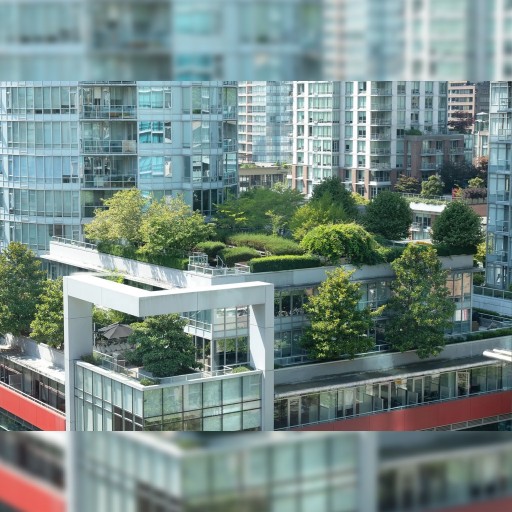
Roof gardens represent one of the most striking forms of urban gardening. In many cities, rooftops constitute vast unused spaces that absorb heat, contributing to elevated temperatures. By adding soil and plants, these rooftops are transformed into green oases above the streets. Roof gardens serve multiple purposes.
They aid in building insulation, reducing the need for heating and cooling. They absorb rainwater, lowering the risk of flooding during heavy storms. Some rooftops are designed as recreational spaces, offering workers and residents places to relax and connect with nature.
Others focus on food production, growing vegetables, herbs, and fruits sold locally or used in nearby restaurants. In cities like New York, Tokyo, and Singapore, rooftop gardens have become symbols of innovation.
They demonstrate how cities can utilize existing structures rather than expanding outward. By growing upward, urban gardening finds space even in the most crowded environments.
More Than Just Food
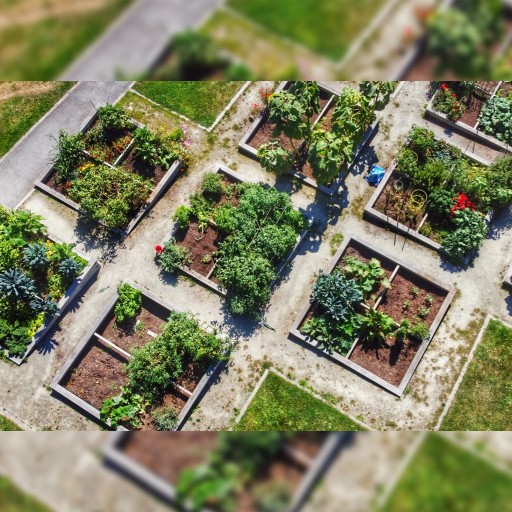
At street level, community gardens tell a story rich with human connection. These shared spaces often occupy vacant lots, gaps between buildings, or areas adjacent to residential neighborhoods. Their uniqueness lies not only in the plants but in the people. Community gardens bring together neighbors who might otherwise never meet.
Elderly residents share gardening wisdom with younger generations. Immigrants cultivate crops from their homelands, enriching the community with cultural diversity. Children learn where food comes from, fostering respect for nature and healthy eating habits.
These gardens also address food insecurity, particularly in areas known as “food deserts” where fresh produce is either hard to find or prohibitively expensive. By growing food locally, communities gain access to nutritious options while reducing reliance on lengthy supply chains.
Beyond practical benefits, community gardens hold emotional value. They foster a sense of belonging and pride. In fast-paced, often isolating urban environments, these green spaces invite people to slow down, reminding them they are part of a shared resource.
Urban Cooling and Air Purification
One of the most pressing challenges facing cities today is climate change. Urban areas are particularly vulnerable to extreme heat, flooding, and pollution. Urban gardening offers natural solutions to these problems. Plants help cool cities by providing shade and releasing moisture. This reduces the “urban heat island effect,” where concrete and asphalt surfaces trap heat.
Green spaces also absorb carbon dioxide and other pollutants, improving air quality. During heavy rains, gardens and rooftop greenery act like sponges, absorbing water that would otherwise overwhelm drainage systems. This reduces flooding and protects infrastructure.
As climate events become more frequent, these natural defenses are increasingly vital. Urban life is highly stressful. Noise, crowds, and constant hustle take a toll on mental health. Urban gardening offers a gentle counterbalance. Studies show interacting with plants reduces stress, anxiety, and depression.
Gardening encourages physical activity, cultivates focus, and helps people slow down and live in the moment. Even simply viewing greenery from a window improves mood and attention.
Hospitals, schools, and workplaces are increasingly incorporating gardens into their designs. These spaces aid healing, learning, and creativity. In this sense, urban gardening is not just about the environment—it's about human well-being.
Technology and Innovation in Urban Gardening
Modern urban gardening often blends nature with technology. Smart irrigation systems water plants only when needed, reducing water waste. Sensors monitor soil health, temperature, and light levels. LED lighting enables plant growth indoors or in shaded areas. These technologies make urban gardening more efficient and accessible.
They allow cities to grow food year-round, even in unexpected places like underground spaces or abandoned buildings. Innovations help break traditional constraints, demonstrating how science can coexist harmoniously with nature rather than compete against it. Despite its many benefits, urban gardening faces significant challenges.
Land access is a primary concern, as urban land is expensive and often prioritized for development. Soil contamination in former industrial zones can make gardening difficult or unsafe. Maintenance demands time, funding, and community support.
Extreme weather, pests, and limited resources also pose problems. Without proper planning and backing, some gardens struggle to survive. These challenges remind cities that urban gardening is a long-term commitment.
As populations grow and climate challenges intensify, cities require flexible, affordable, and people-centered solutions. Urban gardening meets these needs by combining environmental stewardship with social connection. Future cities may incorporate gardens as standard features rather than special additions.
Building designs could integrate plantings from the outset. Food systems may become more localized and transparent. Children might grow up viewing vegetables and flowers as natural parts of urban life.
 1
1 1
1OTHER NEWS
-
- How do I Choose Between Selling my Home and Renting it out?
- By Wendy 24 Apr,2023

-
- High-yield stocks vs. growth stocks: Which type of investment is more resistant to risks? A game of wealth defense and offense
- By ZH 23 Jul,2025

-
- Yield Curve Inversion Resurfaces: Is There Still Hope for a Soft Landing in the U.S. Economy?
- By ZXY 31 Jul,2025

-
- With China's exports declining, is the global consumption chain beginning to break?
- By ZXY 31 Jul,2025

-
- Global manufacturing is slowing down in tandem. When will deflation strike?
- By ZXY 01 Aug,2025

-
- How to Effectively Manage Debt: Strategies for Balancing Payments and Savings
- By YCY 07 Jan,2026

-
- Trump reignites tariff war, global supply chains face another shakeup
- By ZXY 28 Jul,2025

-
- Gold surges to a new all-time high—what are investors afraid of?
- By ZXY 29 Jul,2025

-
- "Buy Now, Pay Later" is changing the consumer finance landscape: a payment revolution spreading around the world
- By ZH 25 Jul,2025

-
- Watch out for the Following Credit Card Scams!
- By Wendy 24 Apr,2023

-
- How much longer can the seven tech giants of the US stock market withstand high interest rates?
- By ZXY 28 Jul,2025

-
- Do small businesses really need tax services? When can they file their own taxes?
- By YCY 27 Jan,2026