"Buy Now, Pay Later" is changing the consumer finance landscape: a payment revolution spreading around the world
When you walk into a store or open a shopping app and see a product you like, do you hesitate because the bill is too large? Now, with just a click, "Buy Now, Pay Later" (BNPL for short) allows you to have it immediately and then pay it back slowly in installments. This is not a credit card or a loan, but a payment method that is reshaping the global consumer finance ecosystem.
From Affirm and Afterpay in the United States to Klarna in Europe and Atome and Hoolah in Asia, BNPL services are rapidly becoming the new favorite of the younger generation. In 2025, this payment trend is not just rising, but is rewriting the traditional financial logic with unstoppable force, bringing unprecedented changes.
1. What is "Buy Now, Pay Later"? Why is it so popular?
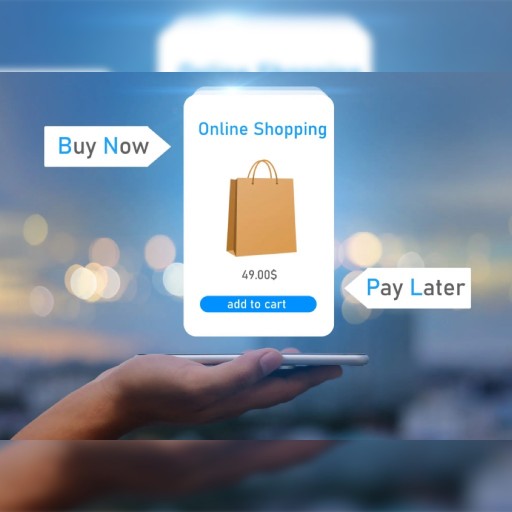
"Buy Now, Pay Later" is a cardless installment payment mechanism where users can choose to get the product immediately when shopping and spread the payment over the next few weeks or months. For example, if a user buys a product worth $400, he can choose to pay interest-free in four installments, paying $100 every two weeks.
Unlike traditional credit cards:
No annual fee or complex approval is required;
Most BNPL services offer 0 interest;
No need to bind a bank account to use it;
Usually does not affect credit scores (unless overdue);
This "lightweight credit" model meets the consumer psychology of the new generation of consumers who "buy when they want and don't want to be in debt." BNPL not only improves the consumer experience, but also brings orders and conversion rate increases to merchants.
2. Global BNPL usage surges: emerging markets become growth engines
According to Statista data, by the end of 2024, the number of global BNPL users has exceeded 500 million, and is expected to reach 900 million by 2026. The following countries have the fastest growth:
United States: Affirm, Afterpay and other platforms are widely favored by millennials and Generation Z;
United Kingdom: Klarna has become an important payment tool for high street fashion consumption;
Australia: Afterpay penetration rate exceeds 25%, popular in supermarkets, aviation, medical and other fields;
Singapore, Indonesia, Philippines: BNPL has become a "pressure relief valve" for middle-class consumption, attracting people without credit cards;
Brazil, India: e-commerce combined with BNPL, boosting mobile payment coverage and consumption growth;
BNPL has moved from e-commerce platforms to more "real life" scenarios: hospitals, education, tourism, fitness, catering, gas stations, etc. are gradually connected. This trend is changing the consumption patterns of global users and challenging the status of traditional financial institutions.
3. Why is BNPL popular with young people? Three keywords reveal the answer
Flexible
Don't want to be trapped by high interest rates and fixed bills? BNPL provides the freedom of payment "without planning too far ahead", allowing consumers to arrange expenses according to short-term financial conditions.
Low threshold
No credit card, no complex review, a mobile phone can be used, especially for young people or consumers in emerging markets whose credit records have not yet been established.
Zero sense of burden
Compared with traditional loans and credit cards, BNPL users tend to regard it as "delayed payment" rather than "borrowing money", with less psychological burden and higher acceptance.
These three points form the iron triangle of BNPL to attract young users, which is also the core reason for its increasing penetration rate.
4.what does BNPL mean to merchants, banks and credit cards?
For merchants:
BNPL platforms often embed payment options directly on the checkout page to increase conversion rates. According to data, after adding the BNPL option, the average order value of many merchants has increased by 30%~40%, and the return rate has decreased.
For banks and credit card companies:
The "revolving debt" of traditional credit cards is being seriously challenged by BNPL. Especially among young customers, the convenience and transparent fee structure of BNPL are more attractive, forcing banks to launch similar products or seek cooperation.
For the platform itself:
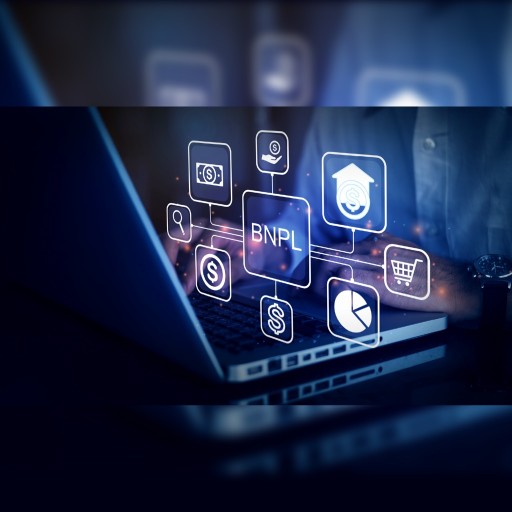
BNPL platforms are upgrading from "payment tools" to "financial technology complexes". Klarna launches financial management services, Affirm is involved in savings accounts, Atome integrates consumer data to promote personalized recommendations... They are creating a digital financial closed loop of "payment + credit + behavioral insights".
5. Controversy and regulation: The hidden worries of BNPL cannot be ignored
Of course, BNPL is not "zero risk". Some users will overspend because they can easily obtain credit limits, leading to overdue and debt problems. In addition, some platforms are more lenient in assessing users' credit, which may cover up potential default risks.
Faced with this situation, many countries have begun to strengthen supervision:
The UK Financial Conduct Authority (FCA) plans to force BNPL platforms to disclose transparent fees and explain borrowing risks;
The US Consumer Financial Protection Bureau (CFPB) recommends that BNPL be included in the credit regulatory framework;
The Monetary Authority of Singapore (MAS) has issued guidelines requiring BNPL operators to set a total limit and conduct risk ratings;
It can be seen that "buy now, pay later" must take a more standardized and sustainable development path to truly become an important force in future consumer finance.
6. Conclusion: BNPL, is it a "consumption trap" or "financial freedom"?
"Buy now, pay later" is not only an emerging financial tool, but also a consumption concept that is changing the world.
For users, BNPL provides unprecedented flexibility and instant gratification;
For enterprises, it is a new tool to increase sales;
For financial institutions, it is a new challenge with both disruption and opportunity.
But in the final analysis, whether you use BNPL or not, rational consumption will always be the cornerstone of personal financial health. The future financial life may be more convenient and freer, but responsibility and planning are still indispensable.
In 2025, "buy now, pay later" will continue to expand its boundaries. Are you ready?
 1
1 1
1OTHER NEWS
-
- Do small businesses really need tax services? When can they file their own taxes?
- By YCY 27 Jan,2026
-
- What do you Mean by Mortgage? What Does it Mean to Have a Mortgage?
- By Little Grapes 24 Apr,2023

-
- How much longer can the eurozone hold out? The ECB has reached the end of its rate hike cycle
- By ZXY 01 Aug,2025
-
- Real Estate Investment Needs to be Careful!
- By Little Grapes 24 Apr,2023

-
- Should you Choose a Real Estate Agent When Buying a Home?
- By Wendy 24 Apr,2023

-
- Who is the Primary Lender When Applying for a Home Loan? These Points are Important!
- By Little Grapes 24 Apr,2023

-
- How to Effectively Manage Debt: Strategies for Balancing Payments and Savings
- By YCY 07 Jan,2026

-
- How do I Choose Between Selling my Home and Renting it out?
- By Wendy 24 Apr,2023

-
- Fixed deposits are not as good as flexible financial management? Analysis of financial management trends in 2025
- By ZH 24 Jul,2025
-
- With China's exports declining, is the global consumption chain beginning to break?
- By ZXY 31 Jul,2025
-
- High-yield stocks vs. growth stocks: Which type of investment is more resistant to risks? A game of wealth defense and offense
- By ZH 23 Jul,2025

-
- Mobile phone is the bank: one-click account opening, one-click financial management, digital financial life is coming
- By ZH 24 Jul,2025