How to Effectively Manage Debt: Strategies for Balancing Payments and Savings
Managing debt is one of the most common financial challenges in people's daily lives. From student loans and credit cards to medical bills and mortgages, debt can accumulate steadily without notice, eventually becoming overwhelming. At the same time, when most income goes toward monthly payments, saving money often seems out of reach.
Debt isn't always a sign of poor financial decisions. In modern life, many people rely on debt to pay for education, housing, transportation, or to handle unexpected emergencies. When used wisely, debt can help people live better lives. Without a plan, debt becomes a heavy burden. Understanding debt's role is the first step in managing it.
Debt itself isn't the enemy. The real problem lies in an imbalance between income and expenses—where repayments consume too much income, leaving no money for savings or emergencies. Effective debt management is about restoring balance and regaining control.
Why Balancing Repayments and Savings Matters
A common mistake is believing one must choose between debt repayment and savings. In reality, both are essential. Repaying debt reduces interest costs and stress, while saving provides security and flexibility. Without savings, even minor emergencies can push someone deeper into debt.
A broken phone, car repair, or medical bill might end up charged to a credit card, adding interest and pressure. Conversely, focusing solely on savings while ignoring high-interest debt slows progress and wastes money.
Balancing payments and savings builds financial stability. It enables people to meet current obligations while preparing for future needs. This balance doesn't require high income or complex financial knowledge—it demands clear priorities, realistic plans, and consistent habits.
Understanding your financial situation is crucial before making changes. Many avoid scrutinizing their finances due to discomfort or stress. Yet clarity brings empowerment. A complete financial picture includes:
* Total income from all sources
* Monthly living expenses
* All debts, including balances, interest rates, and minimum payments
* Current savings, even small amounts
Recording all details or using a simple spreadsheet helps. Seeing the numbers clearly often reduces fear and brings focus. It makes it easier to spot problems and opportunities. At this stage, the goal isn't to judge past decisions but to understand reality. Once the big picture is clear, planning the next steps becomes much easier.
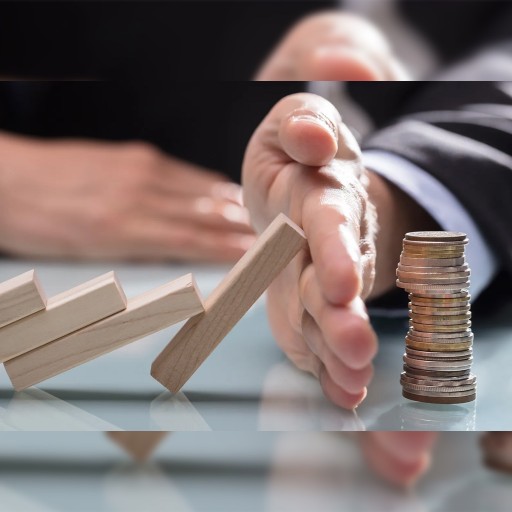
Create a Realistic, Flexible Budget
A budget is a tool, not a punishment. Its purpose is to guide spending, not restrict life. The most effective budgets are realistic and flexible, reflecting people's actual lives. A simple budget typically includes three main parts:
* Necessities: Rent, groceries, utilities, transportation, insurance
* Wants: Entertainment, dining out, hobbies
* Financial Goals: Debt repayment and savings
A good budget doesn't strive for perfection but leaves room to enjoy life's small pleasures. Cutting all expenses at once often leads to frustration and failure. It's best to make gradual adjustments and stick with them long-term. A budget helps clarify how much money is truly available for debt repayment and savings. It also highlights areas where small changes can yield significant impact.
Different Types of Debt and Repayment Strategies
Not all debt is created equal. High-interest debt, such as credit cards or payday loans, grows rapidly and proves most costly over time. These debts typically require prioritization. Low-interest debt, like student loans or mortgages, grows more slowly. While still important, it may not require immediate aggressive repayment.
Additionally, there's a difference between revolving debt (where the monthly amount varies) and fixed debt (with a clear end date). Understanding these distinctions helps develop smarter strategies and better utilize funds. Two Popular and Effective Repayment Methods.
Both approaches work well, with the best choice depending on personal motivation and financial situation. Snowball Method: This approach focuses on paying off the smallest debt first, regardless of its interest rate. Once the smallest debt is paid off, that money is then applied to the next smallest debt.
The snowball method can deliver quick results. Seeing debts disappear can boost confidence and motivation. This emotional lift is particularly effective for those feeling overwhelmed. Debt Avalanche Method: This approach targets the highest-interest debt first.
Over the long term, it saves more money by reducing interest costs faster. The avalanche method suits those driven by logic and focused on long-term savings. While results may take longer to appear, it is often more financially efficient. Both methods require persistence. The key is to choose one approach and stick with it.
Lowering Debt Costs
Debt terms are often negotiable. Interest rates, fees, and repayment plans can sometimes be adjusted with a simple phone call. Credit card companies may offer lower rates to long-term customers. Medical providers might agree to payment plans or discounts. Some lenders provide assistance programs during economic hardship.
Negotiation isn't guaranteed to succeed, but it costs nothing to try. Even a small reduction in interest can make repayments easier and free up money for savings. Many experts recommend starting with a modest goal, such as saving enough for one month's basic living expenses. This target is more achievable than aiming for several months upfront.
Even saving a small amount each month helps. Setting aside a fixed sum regularly, regardless of size, builds a savings habit. Over time, this money grows steadily, providing peace of mind. Balancing debt repayment with emergency savings may slightly slow down repayment, but it reduces the risk of setbacks.

Adjusting Lifestyle Without Feeling Deprived
Managing debt often requires adjusting your lifestyle and spending wisely. Simple changes can make a significant difference: cook at home more often, choose free or low-cost entertainment, review subscriptions and cancel unused services, shop with a list to avoid impulse buys.
These adjustments aren't punishments—they align spending with priorities. Over time, many discover that when spending feels more meaningful, they not only enjoy life but often find greater satisfaction. While cutting expenses helps, increasing income accelerates financial progress. Options include:
* Freelancing or part-time work
* Selling unused items
* Seeking overtime or taking on extra responsibilities
* Learning new skills to prepare for future opportunities
Even temporary income growth can help pay off debt faster or boost savings. Ideally, extra income should fund specific financial goals, not new spending.
Debt management isn't a quick project—it's a journey requiring patience and perseverance. Motivation may fluctuate along the way. Tracking progress is crucial. Seeing balances shrink or savings grow provides tangible proof your efforts are working. Celebrating each small milestone reinforces positive habits. Equally important is learning to be forgiving.
Unexpected expenses or missteps don't erase your progress. What matters is getting back on track and moving forward. Debt's impact extends far beyond finances. It affects mental health, relationships, and self-confidence. Effective debt management also involves safeguarding your well-being.
Open communication with trusted individuals can reduce feelings of shame and isolation. Seeking professional advice offers guidance and reassurance. Remember, many people face similar challenges, helping you view your situation more objectively. Life isn't static, and neither should your financial plan. Effective debt management is an ongoing process, not a one-time solution.
 1
1 1
1OTHER NEWS
-
- Do small businesses really need tax services? When can they file their own taxes?
- By YCY 27 Jan,2026

-
- What do you Mean by Mortgage? What Does it Mean to Have a Mortgage?
- By Little Grapes 24 Apr,2023

-
- How much longer can the eurozone hold out? The ECB has reached the end of its rate hike cycle
- By ZXY 01 Aug,2025
-
- Real Estate Investment Needs to be Careful!
- By Little Grapes 24 Apr,2023

-
- Should you Choose a Real Estate Agent When Buying a Home?
- By Wendy 24 Apr,2023

-
- Who is the Primary Lender When Applying for a Home Loan? These Points are Important!
- By Little Grapes 24 Apr,2023

-
- How to Effectively Manage Debt: Strategies for Balancing Payments and Savings
- By YCY 07 Jan,2026

-
- How do I Choose Between Selling my Home and Renting it out?
- By Wendy 24 Apr,2023

-
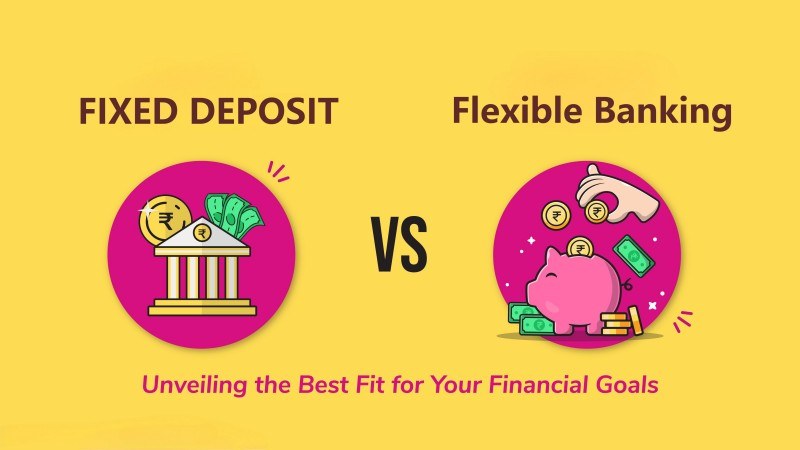
- Fixed deposits are not as good as flexible financial management? Analysis of financial management trends in 2025
- By ZH 24 Jul,2025
-
- With China's exports declining, is the global consumption chain beginning to break?
- By ZXY 31 Jul,2025

-
- High-yield stocks vs. growth stocks: Which type of investment is more resistant to risks? A game of wealth defense and offense
- By ZH 23 Jul,2025

-
- Mobile phone is the bank: one-click account opening, one-click financial management, digital financial life is coming
- By ZH 24 Jul,2025