Anti-glycation care: The real culprit behind dull skin and fine lines
When skin ages faster than time itself, signs of aging begin to emerge quietly. Skin that once appeared fresh and radiant now looks dull and lifeless. Even after a good night's sleep, fine lines remain stubbornly visible. Though no deep wrinkles have yet appeared, that sense of fatigue feels out of step with a healthy lifestyle.
Many attribute this to stress, age, or lack of sleep. Others pin their hopes on skincare products promising overnight miracles. Yet beneath the surface, another story unfolds—one unrelated to age but deeply connected to sugar.
At its core lies a process called glycation, a slow, silent reaction within the body that impacts skin's strength, radiance, and youthful appearance. Anti-glycation skincare isn't born of marketing hype but targets a real biological process that plays a significant role in skin aging.
Understanding this process can transform how people approach skincare, dietary habits, and their perception of aging itself.
The Big Picture of Skin Aging
People often explain skin aging in simple terms: time passes, collagen diminishes, wrinkles appear. While partially accurate, this oversimplification overlooks the intricate processes occurring beneath the skin's surface. Aging isn't caused by a single factor but results from the cumulative effect of numerous micro-processes occurring day after day.
Aging is categorized into intrinsic and extrinsic aging. Intrinsic aging is the natural, biological process inherent to human biology, influenced by genetics and time. Extrinsic aging, however, is triggered by external factors such as sun exposure, pollution, smoking, diet, and stress.
Most visible skin aging falls under extrinsic aging. For years, skincare has primarily focused on sun damage and oxidation. Sunscreen and antioxidants became essential products. While these remain important, researchers have begun to recognize another process causing skin stiffness, yellowing, and loss of elasticity.
This process doesn't originate from sunlight or air, but from sugar within the body. It's called glycation.
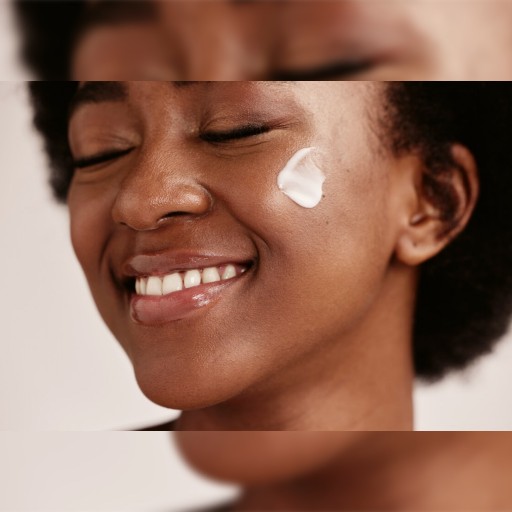
What is glycation?
Simply put, glycation occurs when excess sugar in the body attaches to proteins or fats without enzymatic assistance. Unlike healthy physiological processes, glycation is uncontrolled. When sugar molecules bind to proteins like collagen and elastin, they form harmful compounds called Advanced Glycation End Products (AGEs).
Collagen and elastin form the scaffolding of youthful skin. Collagen provides strength and structure, while elastin allows skin to bounce back after movement. When these proteins undergo glycation, they lose elasticity.
They become stiff, fragile, and more prone to breakdown. The impact of glycation on skin is subtle yet powerful. One of the earliest signs is a dull complexion. Glycated proteins reflect light poorly, making skin appear flat, lackluster, and lacking vitality. This explains why some people feel their skin looks “dull” or “waxy” even when it's clean and well-hydrated.
Fine lines are another early indicator. When collagen stiffens, it can no longer support the skin effectively. Tiny wrinkles appear around the eyes, mouth, and forehead. These lines may not be deep yet, but they become more persistent than before.
Over time, glycation also weakens the skin's repair system. The body struggles to effectively replace damaged collagen. Inflammation intensifies, further accelerating aging. Skin becomes thinner, less elastic, and more fragile. It's a slow, cumulative process, typically beginning in one's twenties or early thirties.
By the time it becomes visible to the naked eye, glycation may have been occurring for years.
Daily Habits That Fuel Glycation
Glycation is closely tied to modern lifestyles. Sugar is the primary driver, but it's not just desserts and candy. Refined carbohydrates, processed foods, and frequent snacking all elevate blood sugar levels. When blood sugar remains persistently high, glycation intensifies. Cooking methods also play a role.
Foods prepared at high temperatures—such as fried, grilled, or baked items—naturally contain advanced glycation end products (AGEs). These dietary AGEs add to the body's overall glycation burden. Stress is another hidden factor. Chronic stress elevates cortisol levels, disrupting blood sugar control. Insufficient sleep also... similar effects occur.
Even individuals with healthy diets may experience glycation if they are overly stressed or sleep-deprived. Smoking and pollution exacerbate oxidative stress, compounding the issue. Oxidation and glycation often interact, creating a vicious cycle that accelerates skin aging.

The Science Behind Anti-Glycation Skincare
Anti-glycation skincare aims to block this damaging process. It operates through two primary mechanisms: preventing glycation and repairing glycation damage. Some ingredients help capture sugar molecules before they bind to proteins. Others break the bonds forming advanced glycation end-products (AGEs) or mitigate their harmful effects.
Many anti-glycation ingredients also possess antioxidant and anti-inflammatory properties, creating a multi-layered defense. This approach goes beyond surface hydration, focusing on protecting the skin's internal structure. While results aren't immediate, consistent long-term use can improve skin tone, elasticity, and texture.
Certain ingredients have gained attention for their anti-glycation capabilities. A well-known example is carnosine, a peptide naturally present in the human body. Carnosine binds to sugar molecules, preventing them from damaging proteins.
Niacinamide, a form of vitamin B3, strengthens the skin barrier and improves overall texture. It also helps reduce inflammation associated with glycation. Plant extracts like green tea, cinnamon, and licorice root contain compounds that slow the formation of AGEs (advanced glycation end-products).
These ingredients are often incorporated into serums and creams designed for long-term skin health maintenance. Alpha-lipoic acid and resveratrol are potent antioxidants that enhance anti-glycation activity. They help neutralize oxidative stress, which often exacerbates glycation damage.
Diet and Lifestyle as the First Line of Defense
Skincare alone cannot fully prevent glycation. Since the process begins internally, lifestyle choices are as crucial as topical products. Reducing added sugars is an important first step. Choosing whole grains over refined carbohydrates helps stabilize blood sugar levels. Incorporating protein, fiber, and healthy fats into meals slows sugar absorption.
Cooking methods matter too—steaming, boiling, and stewing produce fewer AGEs than frying or baking. Drinking sufficient water supports metabolic balance and skin hydration. Regular exercise improves insulin sensitivity, helping the body regulate blood sugar more effectively.
Quality sleep supports skin self-repair and lowers stress hormone levels. These changes don't need to be perfect. Consistently practicing a few small habits over time can significantly reduce glycation.
Patience is essential. Glycation takes years to develop, and reversing its effects takes time. Through sustained care, skin can regain resilience and radiance. Understanding glycation shifts perspectives on aging. It highlights the connection between inner health and outer appearance.
Skin is not separate from the body; it reflects daily choices and long-term habits. Anti-glycation skincare represents a shift from repair to prevention. It encourages caring for skin in a way that promotes overall health. This approach also advocates for a gentler view of aging. Rather than fighting time, it focuses on supporting skin's natural processes and protecting existing health.
 1
1 1
1OTHER NEWS
-
- How much longer can the eurozone hold out? The ECB has reached the end of its rate hike cycle
- By ZXY 01 Aug,2025

-
- Is German manufacturing losing its edge? The latest casualty of the US-China strategic rivalry
- By ZXY 29 Jul,2025

-
- Trump reignites tariff war, global supply chains face another shakeup
- By ZXY 28 Jul,2025

-
- Credit card points and rewards seem cost-effective, but they actually hide these traps
- By ZXY 01 Sep,2025

-
- Fixed deposits are not as good as flexible financial management? Analysis of financial management trends in 2025
- By ZH 24 Jul,2025

-
- Yield Curve Inversion Resurfaces: Is There Still Hope for a Soft Landing in the U.S. Economy?
- By ZXY 31 Jul,2025

-
- How do I Choose Between Selling my Home and Renting it out?
- By Wendy 24 Apr,2023

-
- With China's exports declining, is the global consumption chain beginning to break?
- By ZXY 31 Jul,2025

-
- Why Do Most People Overlook “Cash Flow Risk”?
- By ZXY 11 Oct,2025

-
- How much longer can the seven tech giants of the US stock market withstand high interest rates?
- By ZXY 28 Jul,2025

-
- The widening U.S. fiscal deficit is fueling debt concerns
- By ZXY 30 Jul,2025

-
- Who is the Primary Lender When Applying for a Home Loan? These Points are Important!
- By Little Grapes 24 Apr,2023