These ingredients should not be refrigerated!
After grocery shopping, many people follow the same routine: unpacking bags, organizing items, then instinctively stashing most food in the refrigerator. The fridge seems like a safe haven. Its cool air evokes freshness, cleanliness, and extended shelf life.
For decades, refrigerators have been regarded as the ultimate protectors of food. But what if this well-intentioned habit is actually undermining flavor, texture, and even nutritional value? In kitchens worldwide, countless ingredients end up in the wrong place.
While convenient, the refrigerator isn't the ideal home for all foods. Some lose flavor, others become tough and unpleasant, and certain items spoil faster than they would at room temperature.
Why colder isn't always better
For many households, refrigeration equals safety. The colder the food, the better it keeps—or so it seems. This belief stems from refrigerators' ability to effectively inhibit bacterial growth. For meats, dairy products, and leftovers, refrigeration is essential. However, not all foods thrive in cold temperatures.
Certain fruits, vegetables, and common pantry staples are highly sensitive to the chill. Their natural structure, enzymes, and moisture balance shift under refrigeration. Rather than staying fresh, they suffer what food scientists call “chilling injury.”
This damage may not be immediately apparent, but over time it affects the food's taste, aroma, and texture. Understanding which ingredients should stay out of the refrigerator helps transform the kitchen into a more thoughtful and efficient space. It also allows us to rediscover traditional culinary wisdom that existed long before refrigerators were invented.
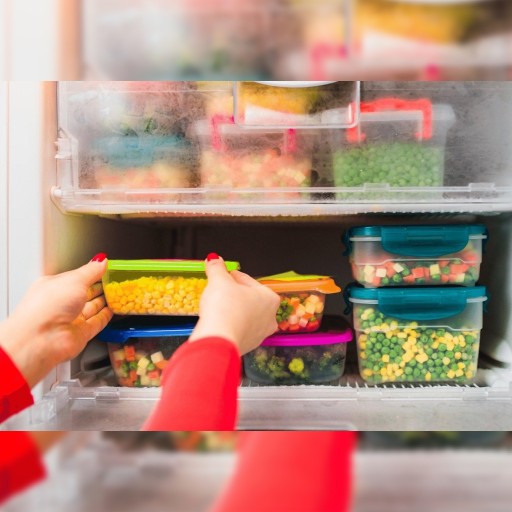
Tomatoes—Refrigeration Causes Flavor Loss
Tomatoes are one of the most commonly refrigerated ingredients—and one of the biggest victims of refrigeration. Many people refrigerate tomatoes believing it extends their shelf life. In reality, the opposite often occurs. Cold temperatures inhibit the activity of enzymes responsible for flavor development. The result? Tomatoes may appear intact but taste bland and lack moisture.
Their texture also changes, becoming mealy and losing their juiciness. In everyday cooking, tomatoes are prized for their rich aroma and natural sweetness. These qualities are best preserved at room temperature. Storing tomatoes on the counter, away from direct sunlight, allows them to ripen properly and retain their full flavor.
Sliced tomatoes can be refrigerated briefly, but whole tomatoes are best kept out of the fridge.
Potatoes—Cold Temperatures Convert Starch to Sugar
Potatoes are a staple in many households, versatile enough for everything from satisfying mashed potatoes to crispy fries. However, refrigeration is one of the worst storage methods for potatoes. When stored in cold temperatures, their starch converts to sugar faster than usual. This change affects both texture and cooking results.
Potatoes become overly sweet and tend to brown prematurely when fried or baked. Their texture may also turn coarse or unpleasant. Potatoes thrive in cool, dark, dry places—such as pantries or cabinets.
They should be stored away from light, as exposure causes them to turn green and develop a bitter taste. When stored properly, potatoes can last longer and perform better in cooking without refrigeration.
Onions—Moisture Is Their Enemy
Onions are another ingredient often mistakenly refrigerated. While chilling may seem protective, it actually promotes moisture buildup, which harms onions. Refrigeration softens onions and encourages mold growth. Excess moisture causes onions to become mushy and spoil faster.
Whole onions are best stored in a dry, well-ventilated spot, such as a basket or mesh bag in the pantry. Once cut, onions must be refrigerated, but even then, they should be sealed to prevent moisture and odors from spreading. For whole onions, refrigeration shortens their shelf life rather than extending it.
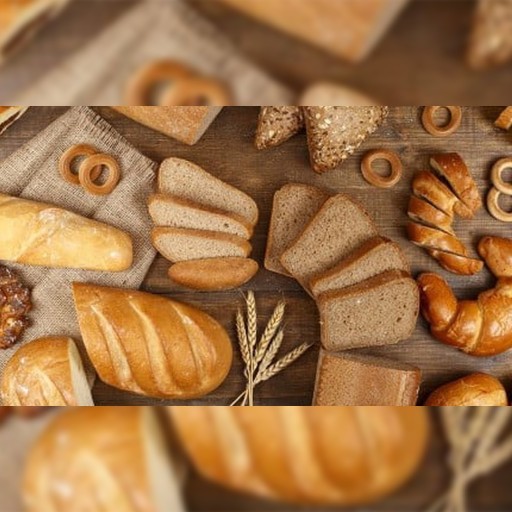
Garlic—From Firm to Rubber-Like
Garlic packs a big flavor punch despite its small size. It just doesn't like the cold. Refrigerated garlic sprouts more easily. Cloves can turn rubbery and are prone to mold growth in the damp refrigerator environment. While sprouted garlic is harmless, it develops a bitter taste that significantly detracts from the cooking experience.
Store garlic in a dry, well-ventilated spot at room temperature. A simple garlic rack or open basket works perfectly. Properly stored garlic stays firm and retains its pungent aroma.
Bread—The Most Perishable Item
Many believe refrigerating bread prevents mold. While this may slightly delay mold growth, it creates a bigger problem: hardening and drying out. Cold temperatures accelerate the drying and hardening process. Refrigerated bread loses its softness faster than bread stored at room temperature and develops a poorer texture.
The flavor also suffers, becoming bland and uninteresting. Bread is best kept in a bread box or sealed bag at room temperature. For longer storage, freezing is preferable to refrigeration. Frozen bread experiences minimal quality loss when thawed or toasted.
Coffee—Absorbs All Refrigerator Odors
Coffee enthusiasts often take great care with their beans or grounds, yet many still habitually store coffee in the refrigerator. This practice does more harm than good. Coffee possesses strong absorptive properties. In the refrigerator, it will absorb odors from surrounding foods like leftovers, vegetables, or dairy products.
Moisture in the refrigerator also affects the oils in coffee, leading to flavor loss. Coffee should be stored in an airtight container at room temperature, away from heat sources and light. This preserves its rich aroma and fresh taste. The refrigerator robs coffee of its most precious qualities.
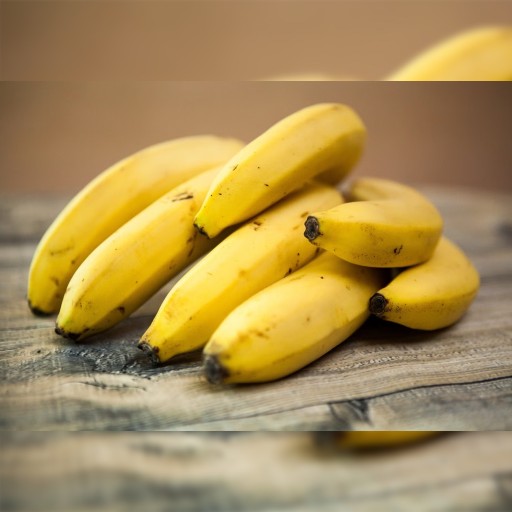
Honey—A Natural Preservative That Doesn't Need Refrigeration
Honey is one of the few foods that can be stored indefinitely if kept properly. Yet many still refrigerate it. Cold temperatures cause honey to crystallize, becoming thick and grainy. While crystallized honey remains edible, it's harder to use and less visually appealing. Honey should be stored in a sealed container at room temperature.
Its natural antibacterial properties eliminate the need for refrigeration. Proper storage keeps honey smooth, golden, and ready to use anytime.
Olive Oil—Cold Temperatures Mask Quality
Olive oil is often perceived as a perishable product requiring refrigeration, especially in warmer climates. However, cold storage alters its texture and can lead to misjudgments about its quality. When refrigerated, olive oil becomes cloudy and thick. While this doesn't necessarily mean the oil has spoiled, it affects its texture and usability.
Persistent temperature fluctuations also degrade olive oil quality over time. Olive oil should be stored in a cool, dark, room-temperature environment. Away from heat sources and light, it retains its flavor and nutritional value without refrigeration.
Bananas—Ripening Halted
Bananas are commonly refrigerated, often placed inside after they begin ripening. Unfortunately, cold temperatures abruptly halt the banana ripening process. The cold causes the peel to turn dark brown or black, even though the flesh inside remains edible. The texture deteriorates, and flavor development stops. Bananas ripen best at room temperature.
Once fully ripe, they can be eaten immediately or frozen for baking and smoothies. Refrigeration offers no real benefit for whole bananas.
 1
1 1
1OTHER NEWS
-
- How do I Choose Between Selling my Home and Renting it out?
- By Wendy 24 Apr,2023

-
- High-yield stocks vs. growth stocks: Which type of investment is more resistant to risks? A game of wealth defense and offense
- By ZH 23 Jul,2025

-
- Yield Curve Inversion Resurfaces: Is There Still Hope for a Soft Landing in the U.S. Economy?
- By ZXY 31 Jul,2025

-
- With China's exports declining, is the global consumption chain beginning to break?
- By ZXY 31 Jul,2025

-
- Global manufacturing is slowing down in tandem. When will deflation strike?
- By ZXY 01 Aug,2025

-
- How to Effectively Manage Debt: Strategies for Balancing Payments and Savings
- By YCY 07 Jan,2026

-
- Trump reignites tariff war, global supply chains face another shakeup
- By ZXY 28 Jul,2025

-
- Gold surges to a new all-time high—what are investors afraid of?
- By ZXY 29 Jul,2025

-
- "Buy Now, Pay Later" is changing the consumer finance landscape: a payment revolution spreading around the world
- By ZH 25 Jul,2025

-
- Watch out for the Following Credit Card Scams!
- By Wendy 24 Apr,2023

-
- How much longer can the seven tech giants of the US stock market withstand high interest rates?
- By ZXY 28 Jul,2025

-
- Do small businesses really need tax services? When can they file their own taxes?
- By YCY 27 Jan,2026