Top Five Electric Vehicle Manufacturers by Sales Volume
Not long ago, electric vehicles felt like something out of a science fiction movie. They were quiet and futuristic, but not very practical for everyday life. Today, that has changed completely. Electric vehicles are everywhere—weaving through city traffic, parked on suburban driveways, and queuing at charging stations along highways.
What once seemed experimental is now part of daily life for millions of drivers. This shift didn't happen overnight. It stems from rising fuel costs, growing environmental concerns, government incentives, and genuine technological advancements. Batteries last longer and charge faster.
While prices still vary widely, they are gradually becoming more reasonable. As demand grows, a handful of manufacturers have clearly pulled ahead. What makes their cars appealing to everyday people? Why are they so important in the real world? We start with the big picture, break down each manufacturer, and then look back at what it all means for the future of driving.
Why Electric Vehicles Are Winning Over Drivers
Electric vehicles are no longer just a trend—they're becoming the preferred choice for many car buyers. Global EV sales are projected to reach approximately 18.5 million units by 2025, a massive leap from just a few years ago. China has led this charge, accounting for a large share of global sales, but growth in parts of Europe and North America is also robust.
So why are people choosing electric vehicles? First, electric vehicles are easier to use than ever before. Modern models handle daily commutes, long trips, and even harsh weather conditions far better than early electric vehicles.
Charging networks are expanding, and for many owners, overnight charging at home has become as routine as charging a smartphone. Cost is another key factor. Electricity is often cheaper than gasoline, and EVs have fewer moving parts, typically resulting in lower maintenance expenses.
Combined with government incentives and tax credits in many countries, the financial case for purchasing an EV has become compelling for numerous households. Yet behind all this progress stand the manufacturers—the companies actually building the cars people want to buy.
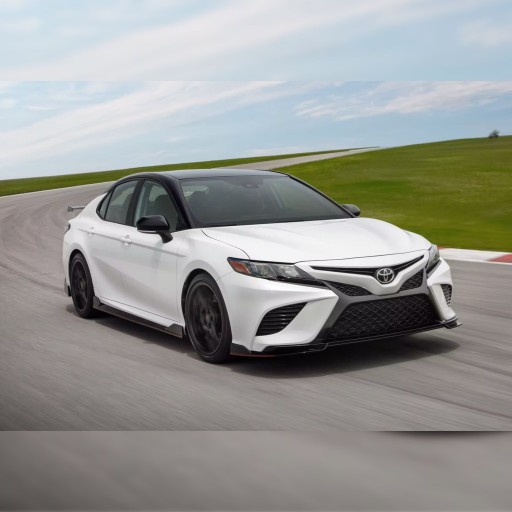
1. BYD
BYD (short for “Build Your Dreams”) didn't start as an automaker. Founded in the 1990s, it began as a battery manufacturer. This background became a massive advantage as electric vehicles gained traction. Headquartered in Shenzhen, China, BYD has grown to become the world's largest seller of electric vehicles by volume.
By 2025, BYD will deliver millions of electric and plug-in hybrid vehicles annually, easily outpacing competitors in total sales. One reason for its success is its extensive product lineup. Rather than producing just one or two standout models, the company offers a broad range—compact city cars, family sedans, SUVs, and even electric buses.
This allows BYD to appeal simultaneously to first-time buyers, value-conscious consumers, and family users. Another key factor is pricing. By controlling battery production and supply chains, BYD maintains relatively low costs. This is a powerful advantage in markets where price matters more than luxury branding.
BYD has also steadily expanded overseas. Its vehicles now reach Europe, Latin America, and other regions with rapidly growing demand for affordable electric cars. While BYD may not yet be a household name worldwide, its influence is quietly and rapidly growing.
2. Geely
Geely doesn't always receive the same level of attention as some competitors, but its growth story is undeniable. As another major Chinese automaker, Geely has spent the past decade building a robust electric vehicle portfolio while expanding its global footprint.
By 2025, driven by sustained growth and a smart diversification strategy, Geely's electric vehicle sales will trail only BYD. Rather than relying on a single brand identity, Geely operates multiple brands and partnerships, enabling it to serve diverse markets with varying needs. What truly sets Geely apart is its flexibility.
It offers affordable EVs for price-sensitive consumers while supporting premium offerings through its broader brand ecosystem. This strategy helps the company swiftly adapt to shifting consumer demands. Geely has also been aggressive in its international expansion. Southeast Asia, parts of Europe, and emerging markets have become key target regions.
In these areas, consumers typically seek practical, reliable electric vehicles—precisely what Geely strives to deliver. While Geely may not command the same attention as Tesla, its steady progress demonstrates how scale, adaptability, and deep understanding of local markets have become crucial in the electric vehicle race.
3. Tesla
When discussing electric vehicles, Tesla cannot be overlooked. Long before EVs entered the mainstream, Tesla made them exciting. Stylish designs, impressive acceleration, and a powerful technological image helped reshape public perception of electric cars. By 2025, Tesla remains one of the world's leading EV sellers, with global sales nearing one million units.
Models like the Model 3 and Model Y continue to dominate sales charts in multiple countries and regions, particularly in the United States. Tesla's success extends beyond its vehicles. The company built its own charging network, giving drivers confidence for long-distance travel.
Its software-driven approach—including regular updates and advanced driver assistance features—also sets it apart from traditional automakers. Nevertheless, Tesla's position is no longer as unshakable as it once was. Competition is intensifying, especially from Chinese manufacturers offering similar features at lower prices.
Tesla has responded with price adjustments and production efficiency improvements, but the market is no longer dominated solely by Tesla. Even so, Tesla's influence remains undeniable. Many features now standard in electric vehicles—from large touchscreens to over-the-air software updates—have become mainstream largely due to Tesla's popularity.
4. Volkswagen
Volkswagen represents a different kind of electric vehicle success story. Unlike startups focused on EVs from the outset, Volkswagen produced gasoline and diesel vehicles for decades before fully embracing electrification. Facing regulatory pressure and shifting consumer expectations, the German automaker aggressively entered the EV market.
By 2025, Volkswagen has firmly established itself as a top EV manufacturer, particularly in Europe. One of Volkswagen's key advantages lies in its brand recognition. Many consumers prefer electric versions from brands they already trust.
Models from Volkswagen, Audi, and other group brands offer electric options that feel familiar in both design and driving experience. Volkswagen has also heavily invested in dedicated electric vehicle platforms, enabling mass production of EVs. Its product lineup spans diverse needs, from compact city sedans to premium electric SUVs.
While Volkswagen may not always lead in cutting-edge technology, its capability to mass-produce reliable vehicles keeps it competitive in a rapidly evolving market.
5. SAIC
SAIC, one of China's largest automakers, owes its EV success to strategic partnerships. The company collaborates with global brands like General Motors and Volkswagen while developing its own electric models. By 2025, SAIC's sales propelled it into the top five global electric vehicle manufacturers, fueled by robust domestic demand and growing exports to other regions.
SAIC's strategy emphasizes balance. It produces affordable entry-level electric vehicles for urban drivers while offering more advanced models through joint ventures. This enables it to serve a broad customer base without relying on a single product line.
SAIC's deep understanding of China—the world's largest EV market—provides a solid foundation. Simultaneously, collaborations with international companies help maintain competitiveness in technology and design.
While these five manufacturers currently lead in sales, the EV market is far from settled. Other automakers, including Hyundai, Kia, BMW, and Stellantis, are investing heavily in electrification. Technology will play a pivotal role in shaping the next phase of development.
Advances in battery chemistry, fast charging, and higher energy efficiency could rapidly shift the factors consumers value most. Government policies, infrastructure investments, and the global economic landscape will also influence which companies rise or fall.
 1
1 1
1OTHER NEWS
-
- How much longer can the eurozone hold out? The ECB has reached the end of its rate hike cycle
- By ZXY 01 Aug,2025

-
- Is German manufacturing losing its edge? The latest casualty of the US-China strategic rivalry
- By ZXY 29 Jul,2025

-
- Trump reignites tariff war, global supply chains face another shakeup
- By ZXY 28 Jul,2025

-
- Credit card points and rewards seem cost-effective, but they actually hide these traps
- By ZXY 01 Sep,2025

-
- Fixed deposits are not as good as flexible financial management? Analysis of financial management trends in 2025
- By ZH 24 Jul,2025

-
- Yield Curve Inversion Resurfaces: Is There Still Hope for a Soft Landing in the U.S. Economy?
- By ZXY 31 Jul,2025

-
- How do I Choose Between Selling my Home and Renting it out?
- By Wendy 24 Apr,2023

-
- With China's exports declining, is the global consumption chain beginning to break?
- By ZXY 31 Jul,2025

-
- Why Do Most People Overlook “Cash Flow Risk”?
- By ZXY 11 Oct,2025

-
- How much longer can the seven tech giants of the US stock market withstand high interest rates?
- By ZXY 28 Jul,2025

-
- The widening U.S. fiscal deficit is fueling debt concerns
- By ZXY 30 Jul,2025

-
- Who is the Primary Lender When Applying for a Home Loan? These Points are Important!
- By Little Grapes 24 Apr,2023