The Importance of Dietary Fiber: Why It's the
In today's fast-paced world, many people are accustomed to high-fat, high-sugar, and high-calorie diets, but they overlook a crucial nutrient: dietary fiber. In reality, it's not what we often call a "nutrient" because it's barely digested and absorbed by the body, yet it plays an irreplaceable role in our health.
Often hailed as the "cleaner" of the intestines, dietary fiber helps our digestive system function efficiently and reduces the risk of many chronic diseases. So, why is dietary fiber so important? How exactly does it cleanse the intestines and protect our health?
1. What exactly is dietary fiber?
Dietary fiber refers to a type of carbohydrate found in plant foods. Unlike glucose and starch, it cannot be broken down and absorbed by the body's digestive enzymes. Therefore, it doesn't directly provide energy, but it plays a vital role in the intestines. Dietary fiber can be divided into two categories based on its solubility:
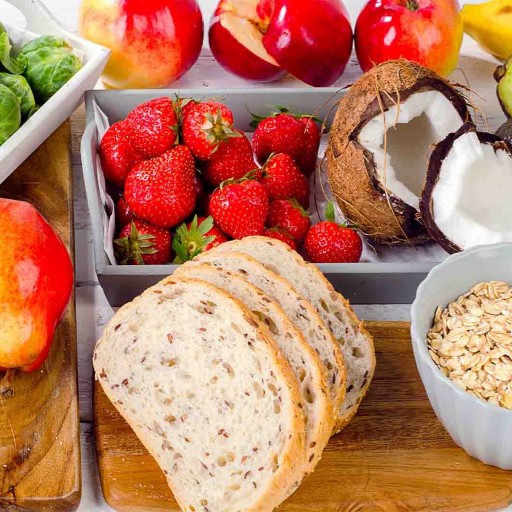
Soluble dietary fiber: Found in fruits, oats, and legumes, it dissolves in water to form a gel, helping to lower blood sugar and cholesterol. Insoluble dietary fiber: Primarily found in whole grains and vegetables, it adds bulk to stool, promotes intestinal motility, and prevents constipation.
These two types of fiber act like a cleaner and a repairman, working together to maintain the intestinal environment and ensure the smooth functioning of our digestive system.
2. Why is dietary fiber considered the "scavenger" of the intestines?
Dietary fiber's ability to clean the intestines like a scavenger isn't just a figurative metaphor; it stems from its multiple roles in the digestive process:
It promotes intestinal motility and removes waste.
Insoluble dietary fiber acts like a brush to add bulk to stool, stimulates the intestinal lining, and shortens the time food residue remains in the intestines, reducing the risk of constipation and hemorrhoids. Its presence keeps the intestines clear and prevents the accumulation of harmful substances.
It absorbs harmful substances and reduces the risk of disease.
Some dietary fibers have the ability to absorb bile acids, heavy metals, and even carcinogens, helping these potentially harmful substances to be excreted with feces, minimizing damage to the intestines and thus reducing the risk of diseases like colorectal cancer. Nourishes the intestinal flora and builds a healthy barrier.
Soluble fiber is fermented and broken down by probiotics in the large intestine, producing short-chain fatty acids. These substances not only provide energy but also reduce intestinal inflammation and improve immunity. In other words, dietary fiber not only cleans but also "replenishes nutrients" in the intestines, promoting a more balanced microbial ecosystem.
3. The Relationship between Dietary Fiber and Chronic Diseases
Dietary fiber is not only beneficial for the intestines; it also has profound impacts on overall health. Studies have shown that consuming adequate daily dietary fiber can reduce the risk of cardiovascular disease, diabetes, and obesity.
Reducing blood sugar fluctuations: Soluble fiber slows carbohydrate absorption, stabilizes blood sugar, and reduces the risk of diabetes.
Regulating blood lipid levels: Some fiber can reduce cholesterol absorption, helping to prevent atherosclerosis.
Assisting with weight management: High-fiber foods are generally more filling, reducing overeating and aiding weight control.
These benefits make dietary fiber a crucial component of chronic disease prevention and control.
4. Are you getting enough?
According to the World Health Organization and the Chinese Nutrition Society, adults should consume 25 to 30 grams of dietary fiber daily. However, the reality is that most people consume less than half that amount. This shortfall often stems from overly refined diets and a neglect of fruits and vegetables.
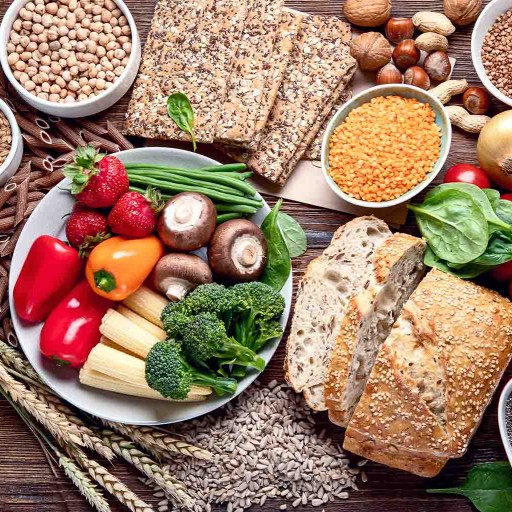
Common high-fiber foods include:
Whole grains: oats, brown rice, whole-wheat bread
Beans: red beans, black beans, chickpeas
Vegetables: broccoli, carrots, spinach
Fruits: apples, pears, bananas (skin-on is better)
Tip: Aim for "three servings of vegetables and two servings of fruit" daily, and choose some whole grains, to meet your dietary fiber goals.
5. Precautions for Dietary Fiber Supplementation
While dietary fiber has many benefits, it's not always better. Consuming large amounts suddenly can cause bloating and gastrointestinal discomfort. Therefore, it's recommended to increase fiber intake gradually, drinking plenty of water to allow the fiber to function effectively.
Furthermore, those with specific medical conditions (such as irritable bowel syndrome) should adjust their diet under the guidance of a doctor.
Conclusion: Make dietary fiber a part of your diet
Dietary fiber is the "cleaner" of your intestines and the guardian of overall health. It not only helps remove waste and maintain intestinal patency, but also regulates blood sugar and lipids, reducing the risk of chronic diseases.
In today's increasingly refined diet, proactively adding fiber to your diet by consuming more fruits, vegetables, whole grains, and legumes is the best way to invest in your health. Starting today, make dietary fiber a regular on your table to build a cleaner, stronger defense system for your body.
 1
1 1
1OTHER NEWS
-
- How do I Choose Between Selling my Home and Renting it out?
- By Wendy 24 Apr,2023

-
- High-yield stocks vs. growth stocks: Which type of investment is more resistant to risks? A game of wealth defense and offense
- By ZH 23 Jul,2025

-
- Yield Curve Inversion Resurfaces: Is There Still Hope for a Soft Landing in the U.S. Economy?
- By ZXY 31 Jul,2025

-
- With China's exports declining, is the global consumption chain beginning to break?
- By ZXY 31 Jul,2025

-
- Global manufacturing is slowing down in tandem. When will deflation strike?
- By ZXY 01 Aug,2025

-
- How to Effectively Manage Debt: Strategies for Balancing Payments and Savings
- By YCY 07 Jan,2026

-
- Trump reignites tariff war, global supply chains face another shakeup
- By ZXY 28 Jul,2025

-
- Gold surges to a new all-time high—what are investors afraid of?
- By ZXY 29 Jul,2025

-
- "Buy Now, Pay Later" is changing the consumer finance landscape: a payment revolution spreading around the world
- By ZH 25 Jul,2025

-
- Watch out for the Following Credit Card Scams!
- By Wendy 24 Apr,2023

-
- How much longer can the seven tech giants of the US stock market withstand high interest rates?
- By ZXY 28 Jul,2025

-
- Do small businesses really need tax services? When can they file their own taxes?
- By YCY 27 Jan,2026