Do it yourself! Professional car detailing steps revealed
Many people think car detailing must be left to a professional shop, but that's not the case. With the right methods and tools, you can easily perform professional-level care at home. Doing it yourself not only saves money but also allows you to better understand the details of your car and feel a sense of accomplishment.
Today, we'll take a step-by-step teardown, from cleaning to maintenance, to teach you how to keep your car looking brand new.
Step 1: Thoroughly clean the exterior
The first step in any car detailing is a thorough cleaning. Don't rush into waxing or polishing; dust and particles left on the exterior can scratch the paint later.
Pre-rinse: Use a high-pressure water jet or shower to remove any dirt, especially around the wheel arches and underside.
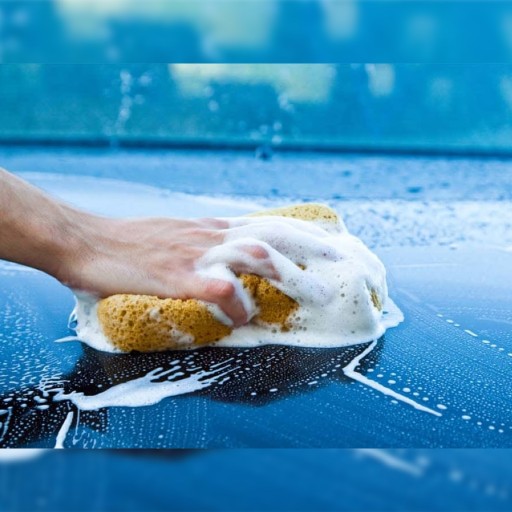
Sectional cleaning: Use a special car wash solution and sponge, working from top to bottom. The roof, hood, and doors are the most susceptible to dirt and require careful attention.
Two-bucket method: Place clean water in one bucket and car wash solution in the other. Rinse the sponge in the clean water bucket before each cleaning to prevent dirt from scratching the paint. Rinse and Dry: After cleaning, rinse with plenty of clean water to remove any foam. Dry with a soft microfiber towel to avoid water marks.
Step 2: Tire and Wheel Care
Tires and wheels are often the most prone to dirt accumulation on a car, and neglecting them can negatively impact the overall appearance.
Use a specialized wheel cleaner and spray it on to break down stubborn brake dust.
Use a soft-bristled brush to clean small crevices and crevices to avoid scratching the metal.
After rinsing, apply tire shine to restore the rubber's glossy black texture for a more refined look.
Step 3: Deep Clean the Paint
Even after cleaning, the paint may appear clean, but residue such as sap, paint chips, or tiny iron particles may remain. This requires the help of a clay bar.
Spray lubricant on the paint and gently rub with the clay bar.
Be gentle and feel the surface smooth.
Wipe clean with a clean towel, and the paint will return to its smooth feel. This step is crucial for a professional detailing process, ensuring the subsequent waxing and sealing results are even better.
Step 4: Waxing or Coating
This is a crucial step to enhance the gloss and protect the paint.
Waxing: Traditional carnauba wax creates a warm sheen, perfect for those who appreciate a classic, handcrafted look.
Synthetic wax: More durable, provides superior protection, and is more resistant to rain and UV rays.
Coating/Sealing: A more advanced method, creating a durable protective layer that lasts for months or even longer.
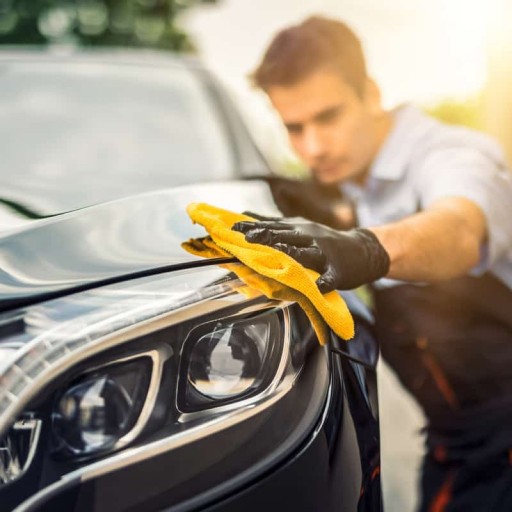
Use a waxing sponge to evenly apply the wax in circular motions. Once the wax dries, polish with a microfiber cloth to instantly restore the car's shine.
Step 5: Interior Cleaning and Maintenance
Car detailing isn't just about the exterior; the interior is equally important. A clean, fresh cabin greatly enhances the driving experience.
Vacuuming: Use a car vacuum cleaner, focusing on the seat crevices, carpets, and floor mats.
Center console and instrument panel: Use a mild detergent and a microfiber cloth to wipe, avoiding harsh chemicals that can damage the material. Leather seats: Apply leather conditioner to prevent cracking and fading.
Fabric seats: Use fabric cleaner or foam spray to remove odors and stains.
Step 6: Glass and Details
Don't overlook glass and small details; they often determine the overall "professional" look of your vehicle.
Windows and windshield: Use streak-free glass cleaner, wiping both the inside and outside to avoid streaking.
Mirrors and headlights: Lightly polish the headlights with polish to restore their clarity.
Engine logos and chrome: Use a specialized metal polish to enhance their shine.
Step 7: Basic Engine Compartment Cleaning
Many people are hesitant to touch the engine compartment, but with proper technique, it can be done safely.
Wrap the battery, wiring, and sensitive parts in plastic bags.
Use a low-pressure water mist spray, then gently clean with a soft brush and degreaser.
Finish by towel-drying to keep the engine compartment tidy.
A clean engine compartment not only looks good but also makes future maintenance easier.
Professional Tips
Use a microfiber cloth: It's softer than a regular towel and effectively prevents scratches.
Avoid working in direct sunlight: High temperatures can cause cleaners or waxes to evaporate quickly, affecting their effectiveness.
Sequence is crucial: wash the car first, then detail to avoid duplication.
Maintain regular maintenance: Perform a basic cleaning monthly and a deep detailing quarterly for optimal results.
Car detailing isn't a skill you can't reach. With the right tools and methods, you can create professional-quality results at home. From exterior cleaning to interior care, from paint waxing to detailing, every step will help revitalize your car.
Doing it yourself not only saves money but also allows you to build a deeper connection with your car. Next weekend, gather your cleaning supplies and give your car a comprehensive detailing treatment. You'll find it's more than just car maintenance; it's a truly enjoyable experience.
 1
1 1
1OTHER NEWS
-
- How do I Choose Between Selling my Home and Renting it out?
- By Wendy 24 Apr,2023

-
- High-yield stocks vs. growth stocks: Which type of investment is more resistant to risks? A game of wealth defense and offense
- By ZH 23 Jul,2025

-
- Yield Curve Inversion Resurfaces: Is There Still Hope for a Soft Landing in the U.S. Economy?
- By ZXY 31 Jul,2025

-
- With China's exports declining, is the global consumption chain beginning to break?
- By ZXY 31 Jul,2025

-
- Global manufacturing is slowing down in tandem. When will deflation strike?
- By ZXY 01 Aug,2025

-
- How to Effectively Manage Debt: Strategies for Balancing Payments and Savings
- By YCY 07 Jan,2026

-
- Trump reignites tariff war, global supply chains face another shakeup
- By ZXY 28 Jul,2025

-
- Gold surges to a new all-time high—what are investors afraid of?
- By ZXY 29 Jul,2025

-
- "Buy Now, Pay Later" is changing the consumer finance landscape: a payment revolution spreading around the world
- By ZH 25 Jul,2025

-
- Watch out for the Following Credit Card Scams!
- By Wendy 24 Apr,2023

-
- How much longer can the seven tech giants of the US stock market withstand high interest rates?
- By ZXY 28 Jul,2025

-
- Do small businesses really need tax services? When can they file their own taxes?
- By YCY 27 Jan,2026