A Global Biscuit Map: The Untold Story of a Crisp Delight
When we think of the word "biscuit," we might picture a buttery, crumbly snack from childhood, or the rows of colorful packaging on supermarket shelves during travels. But have you ever considered that biscuits are a food that transcends borders, cultures, and history?
They can be an elegant accompaniment to British afternoon tea, a perfect companion to American children's afternoon milk, and a symbol of good fortune during Asian festivals. Today, let's embark on a "Global Biscuit Map" journey, from Europe to Asia, from the Americas to the Middle East, to discover the stories behind these small, crispy treats.
Europe: The Birthplace and Elegant Heritage of Biscuits
When tracing the history of biscuits, Europe is an essential starting point. The earliest biscuits can be traced back to ancient Rome, when people baked hard flatbreads that were both filling and easy to store and carry. Later, these flatbreads evolved into "biscuits"—literally, "twice-baked bread"—to extend their shelf life.
During the Middle Ages, with the increasing prevalence of sugar, sweetened versions of biscuits began to appear in Europe. The British were particularly fond of tea biscuits, making them practically the soulmate of afternoon tea.
From classic shortbread to Scottish puff pastry, each bite imbues the rich aroma of milk and traditional craftsmanship. The French, for example, have taken biscuits to a new level of sophistication, with Parisian madeleines, adorned with delicate shells and fragrant with lemon and butter, making them irresistible.
Italy's biscotti also boasts a rich history. Their hard, crisp texture is often enjoyed with coffee or liqueur, and it's this very hardness that allows them to retain their flavor even during travel. The world of European biscuits is like a map filled with aromas, with each country offering its own unique interpretation.
America: Creativity and the Taste of Childhood
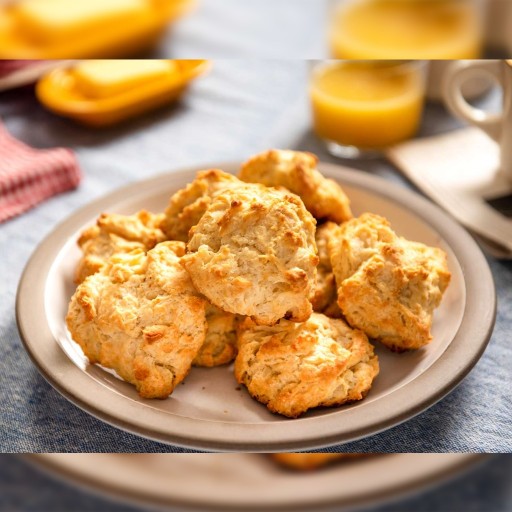
When it comes to American cookies, the most familiar is probably the chocolate chip cookie. This classic treat originated in the 1930s, a fortuitous creation by the owner of a small Massachusetts inn. She originally intended the chocolate to melt into the cookies, but the chocolate chips retained their shape after baking, unexpectedly creating what is now the world's most popular cookie.
Beyond cookies, American cookie culture is imbued with a strong sense of family. Whether it's a festive gingerbread house or a mother's peanut butter cookies, they all embody the warmth of family and childhood.
Schoolchildren often bring a small box of cookies for an afternoon snack, and the combination of milk and cookies has become almost an iconic American culinary partnership.
Americans' creativity in cookies is also reflected in the countless flavors. From double-stacked Oreos to healthier options with oats, nuts, and cranberries, and even unique flavors incorporating chili or sea salt, the American cookie market is constantly innovating to meet diverse preferences.
Asia: A Collision of Tradition and Modernity
In Asia, cookies are more than just an everyday snack; they often carry cultural and festive significance.
In China, the concept of cookies was introduced from the West but quickly integrated into local dim sum culture. For example, sesame cookies and egg rolls, commonly found during Chinese New Year, combine a Western-style crispiness with Eastern aromas and meaning. In the 1970s and 1980s, imported cookies were a rarity, and a sandwich cookie was often a luxury.
Today, they've become a must-have after-dinner snack.
Japanese cookies, on the other hand, possess a uniquely refined aesthetic. From Hokkaido's "Shiroi Koibito" sandwich cookies to the "Tokyo Banana," available only at Tokyo Station, the Japanese have made cookies a vital part of souvenir culture. Japanese cookies emphasize a balance between taste and appearance, and their packaging is ingenious, often making them irresistible.
South Korea is no exception. From children's favorite "chocolate pie" to adult-friendly nutty oatmeal crisps, the Korean cookie market boasts a wide variety of products, even incorporating trendy elements and becoming a popular snack for fans. The story of Asian cookies reveals that cookies are not just food but also a cultural medium.
The Middle East and South America: A Different Kind of Spices and Sweetness
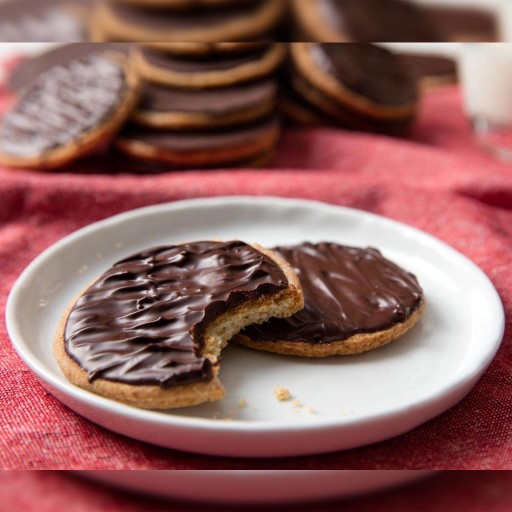
While butter and chocolate dominate European and American biscuits, Middle Eastern biscuits are a feast of spices and nuts. Ma'amoul, a date-filled biscuit popular in the Arab world, boasts a soft crust and a sweet yet refreshing filling, often shared with friends and family during holidays.
Biscuits infused with cinnamon, cardamom, and sesame seeds impart a unique aroma, offering a rich, regional flavor with every bite.
In South America, biscuits are closely associated with dulce de leche (caramel milk sauce). For example, Argentina's alfajores, a soft biscuit with a thick layer of caramel milk sauce, are a favorite dessert for locals. These biscuits are not only rich in flavor but also embody the warmth of the holidays and family.
Modern Biscuits: A New Path to Health and Innovation
As dietary preferences evolve, modern biscuits are constantly innovating. More low-sugar, gluten-free, and high-fiber and protein options are appearing on the market to cater to health-conscious consumers. For example, cookies made with oats or quinoa retain a crispy texture while reducing bulk.
At the same time, technology and creativity have given cookies new life. 3D-printed cookies, cookies with customized patterns, and even "crossover cookies" that incorporate elements of other cuisines are becoming a new trend. Cookies are no longer just snacks; they have become a vehicle for expressing lifestyle attitudes and individual needs.
The charm of cookies lies in their simplicity, yet they hold endless possibilities. They can be a snack to satisfy hunger on the go, a sweet symbol during holidays, a warm family memory, and a testament to cultural exchange.
 1
1 1
1OTHER NEWS
-
- With China's exports declining, is the global consumption chain beginning to break?
- By ZXY 31 Jul,2025

-
- Should you Choose a Real Estate Agent When Buying a Home?
- By Wendy 24 Apr,2023

-
- Gold surges to a new all-time high—what are investors afraid of?
- By ZXY 29 Jul,2025

-
- Trump reignites tariff war, global supply chains face another shakeup
- By ZXY 28 Jul,2025

-
- High-yield stocks vs. growth stocks: Which type of investment is more resistant to risks? A game of wealth defense and offense
- By ZH 23 Jul,2025

-
- Yield Curve Inversion Resurfaces: Is There Still Hope for a Soft Landing in the U.S. Economy?
- By ZXY 31 Jul,2025
-
- Mobile phone is the bank: one-click account opening, one-click financial management, digital financial life is coming
- By ZH 24 Jul,2025

-
- How do I Choose Between Selling my Home and Renting it out?
- By Wendy 24 Apr,2023

-
- How much longer can the eurozone hold out? The ECB has reached the end of its rate hike cycle
- By ZXY 01 Aug,2025
-
- Do small businesses really need tax services? When can they file their own taxes?
- By YCY 27 Jan,2026

-
- How to Avoid Being Scammed by Credit Card Fraud!
- By Wendy 24 Apr,2023

-
- How much longer can the seven tech giants of the US stock market withstand high interest rates?
- By ZXY 28 Jul,2025