Would you dare to try those dishes famous for being “dark cuisine”?
Every culture has its comfort foods—those warm, familiar home-cooked dishes that evoke a sense of belonging. Yet every culture also has another side to its food stories, one that makes outsiders pause, stare, and sometimes even recoil in disgust.
These dishes are the stuff of travel forum lore, often labeled as “dark cuisine”—a term describing foods that shock, unsettle, or even terrify those unfamiliar with them. Dark cuisine isn't about evil or cruelty. It's about perspective.
What might seem horrifying to one person can be a treasured delicacy to another. These dishes often stem from history, survival, tradition, and a respect for using every part of an animal or ingredient. They reflect how people in resource-scarce times had to learn to transform unfamiliar ingredients into nourishing meals.
What is “dark cuisine”?
Before delving into specific dishes, it helps to understand why certain foods earn the dark cuisine label. In most cases, this reaction stems from cultural differences rather than inherent danger. These dishes often feature unusual ingredients, unexpected cooking methods, or textures that challenge common perceptions of food appearance.
Many dark cuisines emerged during times of hardship. When resources were scarce, people learned to utilize animal blood, organs, bones, insects, and fermented ingredients. Passed down through generations, these survival foods evolved into traditions.
They were refined, imbued with ritual significance, and even celebrated. In modern times, global travel and social media have brought these dishes widespread attention. A dish once quietly enjoyed at home is now photographed, filmed, and critiqued by millions.
Shock follows, but so does curiosity. For some travelers, trying dark cuisine is a way to truly understand a culture beyond postcards and tourist menus.
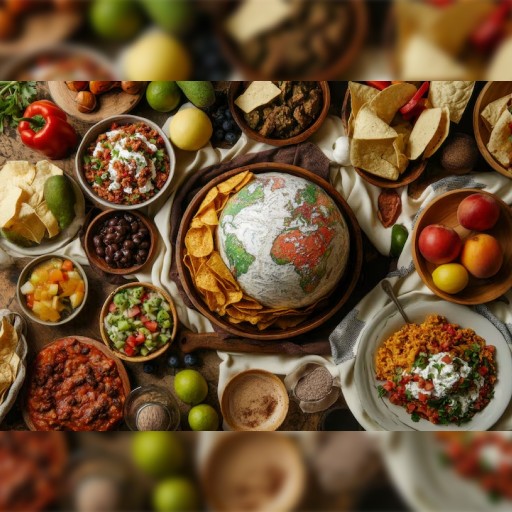
First Dish—Balut (Philippines)
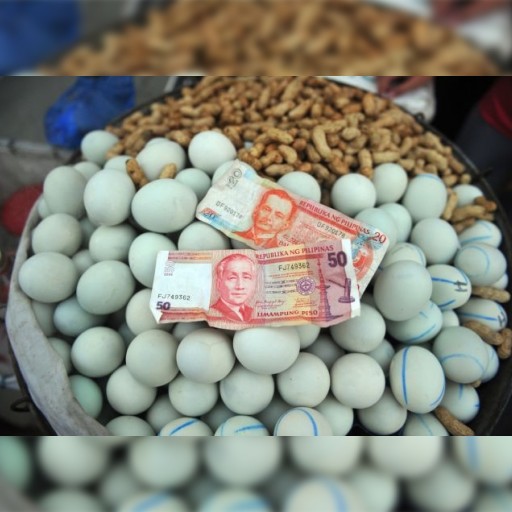
When dark cuisine is discussed, balut is invariably the first example cited. This Filipino street snack consists of a fertilized duck egg, boiled and eaten directly from its shell. Inside lies a partially developed duck embryo, with visible bones, feathers, and a beak. For many outsiders, the mere thought of this food is enough to cause discomfort.
Yet in the Philippines, balut is a beloved snack, often enjoyed at night with salt, vinegar, or chili. Vendors hawk it through neighborhoods, and locals gather casually to share it. Eating balut is a profound sensory experience. First, you sip the warm, savory broth inside the egg.
Then you consume the yolk and embryo. The flavor is rich, savory, and surprisingly mild. For many Filipinos, balut is a comforting, nostalgic food that evokes late nights and laughter. It also holds cultural significance.
Believed to boost strength and vitality, it has symbolized resilience and resourcefulness for centuries. What may seem shocking to outsiders is simply a common, nourishing food to locals.
Second Course—Hákarl (Iceland)
In Iceland's frigid lands, survival once depended on utilizing everything the land and sea provided. One product of this harsh environment is Hákarl, fermented Greenland shark meat. Fresh Greenland shark meat is toxic due to high concentrations of urea and ammonia. To render it edible, Icelanders developed a fermentation process that can take months.
The shark meat is buried, pressed, and then air-dried. The result is a pungent dish whose smell is often compared to ammonia or cleaning agents. Eating fermented shark is a rite of passage in Iceland.
Traditionally, it's cut into small pieces during celebrations and often enjoyed with local spirits. Its flavor is intense, typically experienced through smell before taste. Despite its notorious reputation, Icelandic fermented shark embodies Icelandic ingenuity and reverence for nature.
It tells the story of a people who refuse to yield to their environment. Today, many Icelanders proudly enjoy it, knowing this very ingenuity sustained their ancestors.
Third Course—Live Octopus (Korea)
Live octopus is a Korean dish featuring small octopuses cut into pieces and served immediately, sometimes with tentacles still twitching from nerve reflexes. The sight of wriggling tentacles on the plate may deter many. Yet this dish isn't meant to shock; it showcases the ingredient's freshness.
Typically seasoned simply with sesame oil and sesame seeds, it offers a clean, oceanic flavor with a satisfying chew. Caution is needed when eating live octopus. If chewed improperly, the suction cups on the tentacles can stick to the mouth or throat.
Therefore, thorough chewing is advised. When eaten carefully, it is safe and enjoyed by many. For Koreans, live octopus is a delicacy often shared among friends. It reflects Korean culture's appreciation for food in its most natural state. What may seem unsettling to foreigners is an intriguing and vibrant dining experience for locals.
Fourth Course—Blood Sausage (Multicultural)
Blood sausage appears across many cultures under various names, such as black pudding in Britain, morcilla in Spain, and boudin noir in France. While it may not appear as shocking as some other dark cuisines, its primary ingredient—animal blood—unsettles many.
Blood sausage is typically made by mixing blood with fat, grains, or spices before stuffing it into casings and cooking. The finished product boasts a rich texture and robust flavor. In many regions, it's considered a comfort food, enjoyed at breakfast or during holidays. Using blood embodies a philosophy of minimal waste.
In times of food scarcity, discarding any part of an animal was unthinkable. Blood sausage transforms what might otherwise be discarded into a delicious and filling meal. For those willing to try it, blood sausage often delivers a pleasant surprise.
Its flavor proves more familiar than anticipated, resembling well-seasoned meat. This dish demonstrates that fear often dissipates once understanding replaces conjecture.
Fifth Course—Casu Marzu Cheese (Sardinia, Italy)
Casu Marzu is one of the world's most controversial cheeses. This Sardinian sheep's milk cheese is intentionally infused with live insect larvae. The maggots aid fermentation, breaking down fats to create a soft, spreadable texture. Witnessing live larvae wriggling out of the cheese is enough to shock most people.
Due to sanitary regulations, Casu Marzu is banned from commercial sale in many places. Nevertheless, it is still produced and consumed during certain traditional occasions. Locals regard Casu Marzu as a delicacy reserved for special celebrations. It is typically shared among family and friends, symbolizing trust and tradition.
Its flavor is rich and complex, far more intense than ordinary cheeses. This dish sparks reflection on the intersection of food safety, tradition, and personal choice. For Sardinians, Casu Marzu is part of their cultural identity. For outsiders, it often represents the ultimate test of courage.
At first glance, these five dishes appear entirely distinct. They originate from different continents, climates, and cultures. Yet they share a common thread. All stem from the necessity of survival, shaped by their environments, and preserved through tradition.
They also challenge modern notions of cleanliness, safety, and comfort. In a world saturated with packaged foods and predictable flavors, dark cuisine reminds us that eating was once a more direct connection to nature.
These dishes also reveal how taste is acquired. What initially feels repulsive can become pleasurable through familiarity and a change of context. Many who have tried dark cuisine report that the fear is stronger than the taste itself.
 1
1 1
1OTHER NEWS
-
- How much longer can the eurozone hold out? The ECB has reached the end of its rate hike cycle
- By ZXY 01 Aug,2025

-
- Is German manufacturing losing its edge? The latest casualty of the US-China strategic rivalry
- By ZXY 29 Jul,2025

-
- Trump reignites tariff war, global supply chains face another shakeup
- By ZXY 28 Jul,2025

-
- Credit card points and rewards seem cost-effective, but they actually hide these traps
- By ZXY 01 Sep,2025

-
- Fixed deposits are not as good as flexible financial management? Analysis of financial management trends in 2025
- By ZH 24 Jul,2025

-
- Yield Curve Inversion Resurfaces: Is There Still Hope for a Soft Landing in the U.S. Economy?
- By ZXY 31 Jul,2025

-
- How do I Choose Between Selling my Home and Renting it out?
- By Wendy 24 Apr,2023

-
- With China's exports declining, is the global consumption chain beginning to break?
- By ZXY 31 Jul,2025

-
- Why Do Most People Overlook “Cash Flow Risk”?
- By ZXY 11 Oct,2025

-
- How much longer can the seven tech giants of the US stock market withstand high interest rates?
- By ZXY 28 Jul,2025

-
- The widening U.S. fiscal deficit is fueling debt concerns
- By ZXY 30 Jul,2025

-
- Who is the Primary Lender When Applying for a Home Loan? These Points are Important!
- By Little Grapes 24 Apr,2023