How to best prepare four different cuts of beef
One cow, countless stories on the table. Many pause for a moment. Isn't all beef the same? Yet the labels read ribeye steak, chuck roast, brisket, sirloin steak—each with its own price and recommended cooking method. Some cuts are prized for tenderness, others for rich flavor. Some require just minutes to cook, while others need hours.
Choosing the wrong method can turn even prime cuts dry, tough, and disappointing. Cooking delicious beef doesn't demand complex techniques or specialized equipment. The key lies in understanding each cut's unique characteristics.
Each cut originates from a different part of the cow's body, served a distinct function during its lifetime, and reacts uniquely to heat. With attentive preparation and the right approach, even common cuts can shine with deliciousness.
Why Beef Cuts Matter More Than Recipes
Before diving into specific cuts, it's vital to grasp beef's fundamental properties in the kitchen. Muscles from different parts of the cow vary significantly. Muscles that see heavy use, like those in the shoulder or chest, develop more connective tissue. While this tissue adds flavor, undercooking can result in tough meat.
Conversely, muscles that see less use, such as those in the back, are naturally tender but can dry out if overcooked. Fat also plays a vital role. Some cuts feature marbling—a fine distribution of fat throughout the muscle.
This fat melts during cooking, enhancing moisture and flavor. Other cuts are leaner and require careful cooking to retain juiciness. Understanding this simple principle—tender cuts suit quick cooking, while tougher cuts benefit from slow braising—can resolve much confusion about cooking beef. With this foundation, we can focus on four common everyday beef cuts.
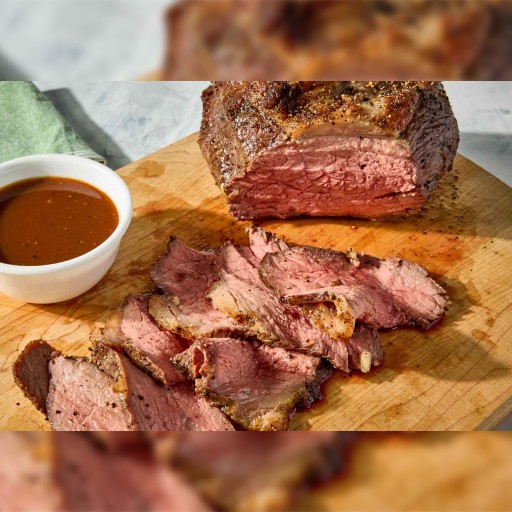
Classic Comfort Choice—Beef Chuck or Chuck Roast
Beef chuck comes from the shoulder of the cow. This part sees a lot of movement, meaning the meat is flavorful but also rich in connective tissue. Chuck roast is affordable and widely available, making it a favorite among home cooks who want rich flavor without breaking the bank. At first glance, chuck roast might not look impressive.
It may appear somewhat coarse, with visible fibers and fat marbling. Yet this cut holds a magical quality: when slow-cooked, it transforms into something exceptionally delicious. The best way to prepare chuck roast is through low-temperature, slow braising—it needs time to reveal its charm.
Slow cooking breaks down the connective tissue into gelatin, tenderizing the tough fibers and making the meat succulent. This is why chuck roast excels in stews, braises, and slow-cooked dishes. A common mistake is treating it like a steak. High heat and short cooking times only make it tough and chewy. Instead, chuck roast demands patience.
Key techniques for cooking chuck roast:
* Season generously, as this cut can handle bold flavors.
* Sear the meat first to develop flavor before slow-cooking.
* Maintain a low temperature and extend cooking time.
* Let the meat rest in its juices before serving.
The Backyard Grill Favorite—Ribeye Steak
If chuck is the unsung hero, ribeye is the star of the show. Cut from the rib section, ribeye steak is celebrated for its marbling and rich, meaty flavor. It's a staple for grilling, pan-searing, and family gatherings. Ribeye doesn't demand much finesse—its fat content makes it forgiving and flavorful, though careful cooking can elevate its deliciousness.
Ribeye thrives at high heat. Whether on the grill or in a heavy skillet, quick cooking melts the fat, seeping into the meat to keep it moist. The goal is a crisp, caramelized exterior with tender, juicy flesh inside. Overcooking is the ribeye's worst enemy. Excessive heat or prolonged cooking causes fat to render out, leaving the meat dry and tough.
Key techniques for cooking ribeye steak:
* Bring the steak to room temperature before cooking.
* Sear at high heat to achieve a crispy crust.
* Season simply with salt and pepper.
* Let the steak rest briefly before slicing.
Lean and Versatile—Sirloin Steak
The sirloin steak strikes a balance between tenderness and leanness. Sourced from the back of the cow near the hip, it contains less fat than ribeye, resulting in a milder flavor profile but also making it more prone to overcooking. Sirloin's popularity stems from its perfect equilibrium of affordability, taste, and versatility.
It excels in numerous everyday dishes, from stir-fries to simple grilled steaks. The best way to cook sirloin steak: Pan-sear over medium heat with careful attention. Sirloin steak requires careful attention. Due to its lower fat content, it can easily become dry and tough if overcooked.
Cooking it to medium-rare or medium helps retain moisture and tenderness. Sirloin steak also benefits from being sliced against the grain, especially in dishes where it's cut into strips.
Key techniques for cooking sirloin steak:
* Avoid prolonged high-heat cooking.
* Do not cook to well-done unless necessary.
* Slice against the grain to preserve tenderness.
* Use marinades when grilling or stir-frying.
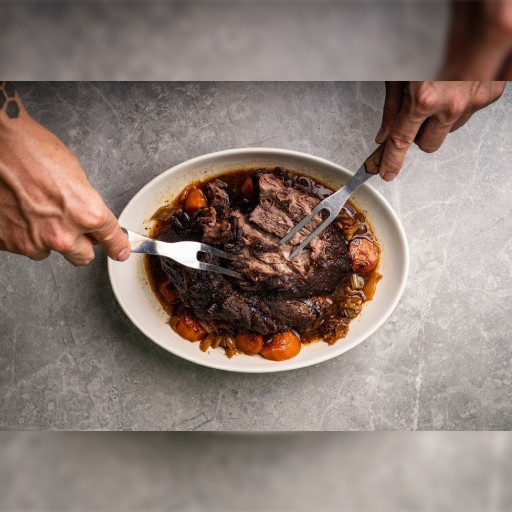
A masterpiece born of patience—brisket
Beef brisket comes from the chest area, a muscle that supports much of the cow's weight. Consequently, it's tough, dense, and rich in connective tissue. Like chuck, it requires time to cook, but the reward is immense. Brisket holds a revered place in barbecue traditions and slow-cooked dishes worldwide.
This isn't a cut for rushed dinners, but rather a weekend, gathering, or long-awaited treat. Brisket requires hours of low-temperature cooking to fully tenderize. Whether smoked, braised, or roasted, the goal is gentle cooking that transforms tough meat into melt-in-your-mouth tenderness.
Rushing brisket will only lead to disappointment. Given sufficient time, however, it becomes intensely flavorful and incredibly tender.
Key techniques for cooking beef brisket:
* Cook at low temperatures for several hours.
* Maintain moisture in the cooking environment.
* Let the meat rest before slicing.
* Slice against the grain.
Beef isn't just beef. It consists of different muscles, each with its own unique characteristics and cooking requirements. By learning how to cook four distinct beef cuts—chuck, ribeye, sirloin, and brisket—home cooks can unlock superior flavor, texture, and greater confidence in the kitchen.
From grasping the fundamentals of beef to mastering specific cooking techniques and applying them with finesse, this journey demonstrates that creating delicious meals doesn't require professional skills. What it demands is attentiveness, patience, and respect.
When the right ingredients meet the right cooking method, even an ordinary meal can become extraordinary. Over time, these small moments in the kitchen accumulate, transforming everyday cooking into a deeply satisfying endeavor.
 1
1 1
1OTHER NEWS
-
- How much longer can the eurozone hold out? The ECB has reached the end of its rate hike cycle
- By ZXY 01 Aug,2025

-
- Is German manufacturing losing its edge? The latest casualty of the US-China strategic rivalry
- By ZXY 29 Jul,2025

-
- Trump reignites tariff war, global supply chains face another shakeup
- By ZXY 28 Jul,2025

-
- Credit card points and rewards seem cost-effective, but they actually hide these traps
- By ZXY 01 Sep,2025

-
- Fixed deposits are not as good as flexible financial management? Analysis of financial management trends in 2025
- By ZH 24 Jul,2025

-
- Yield Curve Inversion Resurfaces: Is There Still Hope for a Soft Landing in the U.S. Economy?
- By ZXY 31 Jul,2025

-
- How do I Choose Between Selling my Home and Renting it out?
- By Wendy 24 Apr,2023

-
- With China's exports declining, is the global consumption chain beginning to break?
- By ZXY 31 Jul,2025

-
- Why Do Most People Overlook “Cash Flow Risk”?
- By ZXY 11 Oct,2025

-
- How much longer can the seven tech giants of the US stock market withstand high interest rates?
- By ZXY 28 Jul,2025

-
- The widening U.S. fiscal deficit is fueling debt concerns
- By ZXY 30 Jul,2025

-
- Who is the Primary Lender When Applying for a Home Loan? These Points are Important!
- By Little Grapes 24 Apr,2023