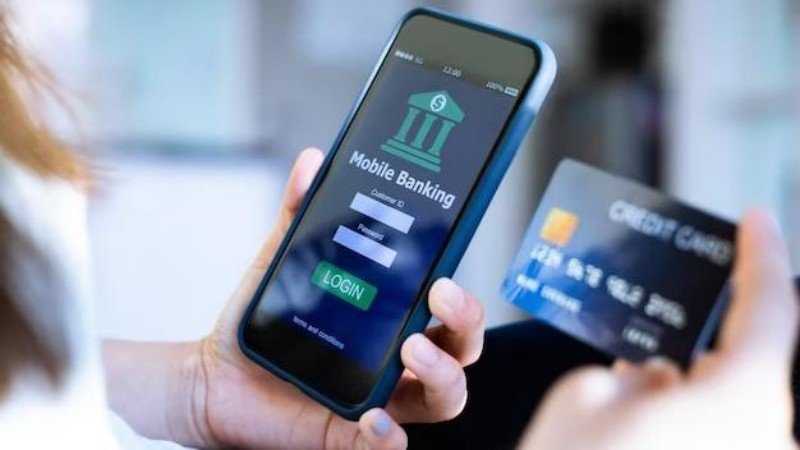
Credit card points and rewards seem cost-effective, but they actually hide these traps
Credit card points and rewards programs have long been touted by merchants and banks, as if every swipe can accumulate wealth, potentially earning you travel, gifts, or cash back. However, the reality is far less rosy than advertised, and it's easy to fall into traps if you're not careful.
Many people focus solely on accumulating points when using their credit cards, overlooking potential interest, fees, and consumer psychology. This article will use real-world examples and data to decipher the pitfalls of credit card points and rewards, helping you enjoy the convenience while avoiding financial losses.
The True Value of Credit Card Points
Many people believe credit card points are free benefits, but in reality, the value of points is far less than advertised. For example, a major US cash back credit card earns one point for every dollar spent, while redeeming them typically requires 100 points to every dollar.
This means the actual return you receive is less than 1%. In contrast, the "1.5% to 2% cash back on every dollar spent" advertised by these credit cards often applies only to specific purchase categories, such as gas or dining, while the returns on general purchases are even lower.
Furthermore, the methods for redeeming points vary widely. Redeeming travel miles for flights may seem like a good deal, but redeeming them for gift cards or merchandise often results in discounts of 50% or even less.
The experience of Xiao Zhang illustrates this point: he accumulated approximately 80,000 points to redeem a $500 electronic product. However, based on the actual cost of the points, the actual cost was an extra $400, far less than the "free" price he had anticipated.

High-Spending Inducements and Interest Traps
Credit card rewards programs are designed to incentivize spending. Many credit cards offer double or triple points on dining, supermarkets, gas stations, and other purchases. While this may seem like more money, it can easily lead to unnecessary spending.
A friend of mine spent an extra $300 on dining each month to earn airline miles, ultimately incurring an additional $3,600 in expenses over the course of the year. Even if he ultimately redeemed the points for flights, the actual savings were far less than the additional cost.
Furthermore, if the balance is not fully repaid, the high interest rates can quickly eat into the gains from the points. At a 20% annual interest rate, the $3,600 balance would cost about $60 a month, or $720 over 12 months, more than the value of the redemption.
This interest far outweighs the "return" from the points, reminding us how rewards programs can lead to unintentional overspending.

Hidden Fees and Restrictions
Credit card rewards often come with hidden terms that are easy to overlook. For example, many high-end credit cards have annual fees ranging from $95 to $550. If your points aren't enough to cover the annual fee, the rewards can become a burden.
Someone named Li, who owns a travel card with a $450 annual fee, only accumulated enough points to redeem a $300 flight in a year, effectively losing money after deducting the annual fee.
Furthermore, points often have expiration dates, such as three or five years, and cannot be used after expiration. Redemption for gifts or flights may also incur additional fees or taxes. Redemption methods are also restricted, such as at specific merchants or during specific time periods.
Many consumers fail to carefully read the terms and conditions, leading to wasted points. Banks impose these restrictions not by accident but to control costs and guide consumers toward specific channels.
Consumer Psychology and Trap Design
Credit card points and rewards are not just financial tools; they're also products of psychological manipulation. Promotions like "buy 100, get 10 free" and "double points" can fuel a desire to get a bargain, leading to increased unnecessary spending.
For example, a survey showed that holders of credit cards offering points and rewards spend 17% more per month on average than regular credit card holders, with much of this spending driven by the pursuit of points rather than actual needs.
Point accumulation and tier systems are also psychological traps. Many high-end credit cards offer tiers like "Platinum" and "Black Gold," and users increase their card usage frequency and spending significantly to reach higher tiers and earn more rewards.
One person, Xiao Wang, spends approximately $5,000 extra annually to maintain his Platinum status, but the value of the rewards he earns is far less than his spending. Ultimately, he's essentially "trading money for status."
How to Use Credit Card Rewards Responsibly
Despite these pitfalls, credit card points and rewards still have value, but they must be managed wisely. First, choose a credit card with a low annual fee and flexible points redemption options, and ensure that you pay your balance in full and on time.
Second, view points and rewards as added value for existing purchases, rather than increasing your spending just to earn points. Third, pay attention to the expiration date and redemption rules for points, and redeem them promptly to avoid wasting them. Finally, maintain rational spending and avoid being tempted by short-term rewards that increase long-term costs.
For example, if you spend a fixed $1,500 per month on daily purchases, choosing a credit card with a 1.5% cash back policy would earn you approximately $270 in cash back annually. This allows you to enjoy rewards without incurring additional interest or risk, without having to spend any additional money. This rational use of credit card rewards is the true way to capitalize on them.
Credit card points and rewards may seem attractive, but there are hidden pitfalls that every consumer should be wary of. From low-value redemptions to high interest rates, to psychological spending incentives, each one can lead you to inadvertently spend more.
Rational analysis and scientific use are key to avoiding these pitfalls. By clarifying your spending goals and understanding the rules of credit card usage, you can truly enjoy the benefits of points, rather than becoming a victim of them. Using your card wisely will benefit your wallet, rather than being tricked by rewards programs.
 1
1 1
1OTHER NEWS
-
- Do small businesses really need tax services? When can they file their own taxes?
- By YCY 27 Jan,2026

-
- What do you Mean by Mortgage? What Does it Mean to Have a Mortgage?
- By Little Grapes 24 Apr,2023

-
- How much longer can the eurozone hold out? The ECB has reached the end of its rate hike cycle
- By ZXY 01 Aug,2025
-
- Real Estate Investment Needs to be Careful!
- By Little Grapes 24 Apr,2023

-
- Should you Choose a Real Estate Agent When Buying a Home?
- By Wendy 24 Apr,2023

-
- Who is the Primary Lender When Applying for a Home Loan? These Points are Important!
- By Little Grapes 24 Apr,2023

-
- How to Effectively Manage Debt: Strategies for Balancing Payments and Savings
- By YCY 07 Jan,2026

-
- How do I Choose Between Selling my Home and Renting it out?
- By Wendy 24 Apr,2023

-
- Fixed deposits are not as good as flexible financial management? Analysis of financial management trends in 2025
- By ZH 24 Jul,2025
-
- With China's exports declining, is the global consumption chain beginning to break?
- By ZXY 31 Jul,2025

-
- High-yield stocks vs. growth stocks: Which type of investment is more resistant to risks? A game of wealth defense and offense
- By ZH 23 Jul,2025

-
- Mobile phone is the bank: one-click account opening, one-click financial management, digital financial life is coming
- By ZH 24 Jul,2025