Five Simple Tips to Improve Gut Health
Gut health may sound like a complex medical term, but it's really about balance. Your gut influences your overall well-being far more than you might realize. It's not just about digestion—it's also tied to energy levels, mood, immunity, and even how you think.
Trillions of bacteria live in your digestive system—some beneficial, some harmful—collectively forming what's known as the gut microbiome. When these bacteria coexist harmoniously, your body functions optimally. When gut bacteria become imbalanced, you'll notice it: digestive issues, fatigue, skin allergies, and even mood swings can all stem from gut discomfort.
But the solution doesn't necessarily require expensive supplements or complicated diets. It often starts with simple daily habits anyone can follow. If you've ever wondered how to restore digestive balance or feel lighter and more energetic from the inside out, here are five simple yet effective tips to improve gut health—starting today.
1. Eat more natural foods
Imagine your gut as a vibrant garden. The bacteria within are like plants, and what you eat determines whether these “plants” thrive or wither. Feeding your gut processed foods, refined sugars, and artificial additives is like dumping chemicals on your garden—everything starts to die.
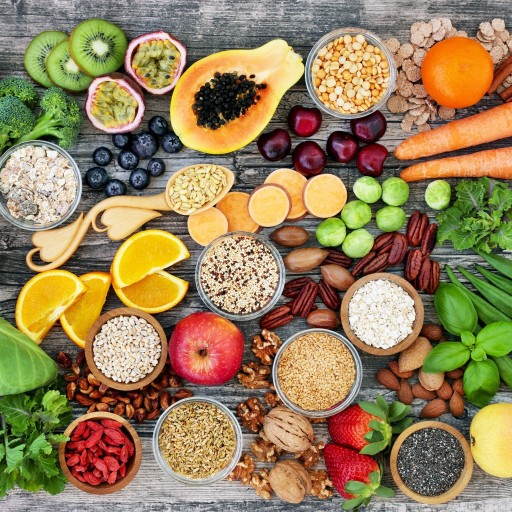
But when you eat natural, whole foods, it's like showering your garden with fresh sunlight and fertile soil. Natural foods—such as fruits, vegetables, whole grains, nuts, seeds, and legumes—are rich in dietary fiber, which is the gut's best friend. Unlike rapidly absorbed simple sugars, dietary fiber passes through the digestive system, becoming food for beneficial gut bacteria.
These beneficial bacteria, in turn, produce short-chain fatty acids that reduce inflammation and protect the colon. You don't need to completely overhaul your diet overnight. Start small: Add a serving of vegetables to every meal. Swap white rice for brown rice or quinoa.
Choose apples or carrots over chips for snacks. Even one simple change daily begins improving your gut environment. Over time, you'll notice smoother digestion. You'll experience less bloating, more regular bowel movements, and increased energy. This is your gut garden beginning to flourish again—and it all starts with choosing natural foods over packaged ones.
2. Incorporate Fermented Foods
You've likely heard of probiotics—the “good bacteria” found in yogurt or supplements. But did you know? One of the most effective ways to get probiotics is actually by eating naturally fermented foods. Fermentation is an ancient process that transforms ordinary foods into powerful tools for gut health.
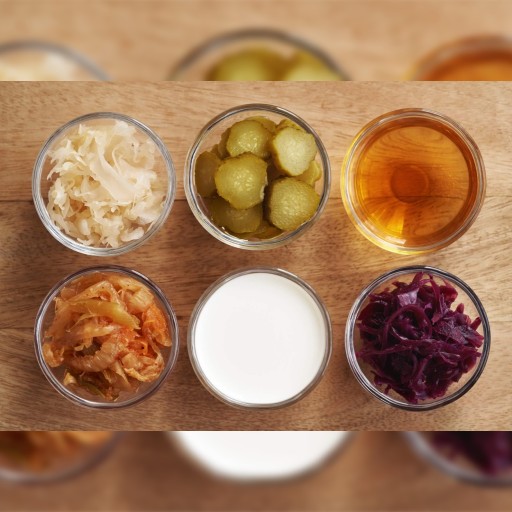
Yogurt, kefir, sauerkraut, kimchi, miso, and kombucha are all fermented foods rich in active microorganisms. Eating these foods introduces beneficial bacteria into your digestive system—bacteria that help restore gut balance and improve digestion.
Think of it this way: if your gut is a crowded city, fermented foods are like beneficial new residents moving in, making the community cleaner and more organized. They eliminate harmful bacteria and help your gut function more efficiently.
If you've never tried fermented foods before, start small. Begin with a few spoonfuls of live-culture yogurt in the morning, a small serving of kimchi or sauerkraut at dinner, or swap soda for a glass of kefir.
Consistent consumption over time will yield noticeable improvements. Your gut microbiome consists of living microorganisms—they react to the foods you consume. Provide them with the right “companions,” and your digestion, energy levels, and even immune system will benefit.
3. Manage Stress
You might assume all your stomach issues stem from food, but many overlook this: your gut and brain are constantly communicating. This connection, known as the “gut-brain axis,” is one of the body's most fascinating mysteries. Have you ever felt nervous before an important meeting, or experienced nausea during stressful situations? That's your gut reacting to your emotions.
When you're anxious, your brain releases stress hormones like cortisol, which alter gut function—slowing digestion, causing bloating, and even triggering pain. If stress becomes chronic, it disrupts the balance of your gut microbiome, weakens the intestinal lining, and can lead to issues like indigestion, constipation, or even “leaky gut syndrome.”
Therefore, improving gut health isn't just about diet—it's also about how you feel. Prioritizing mental well-being directly supports digestion. You don't need to be a meditation master to soothe your stomach; even small changes can help.
Try taking a few minutes each day for deep breathing. Go for a walk after work. Do something that makes you laugh out loud. Practice gratitude, stretch, or listen to music you love. When your mind gets a chance to relax, your body—including your gut—relaxes too.
Think of stress management as emotional nourishment. Just as you fuel your body with healthy food, you should fuel your mind with calmness and positivity. Your gut will feel the difference.
4. Stay Hydrated
It sounds simple, but one of the most effective ways to improve gut health is to drink more water. Your digestive system needs water to function properly. Water helps break down food, absorb nutrients, and move waste through your intestines. Without enough water, digestion slows down—literally.
When you're dehydrated, your colon absorbs too much water from passing food residue, leading to dry, hard stool that's difficult to pass. The result? Constipation, discomfort, and bloating. But when you drink enough water, your digestive system runs more smoothly, helping your gut microbiome thrive in a balanced environment.
If plain water feels too plain, try adding natural flavors. Pop a few slices of lemon, cucumber, or mint leaves into your water bottle. Herbal teas—like peppermint, ginger, or chamomile—work just as well and can even soothe stomach discomfort.
A practical rule is to listen to your body's signals: hydrate when thirsty, and increase intake if your urine appears dark. Aim to drink small amounts frequently throughout the day rather than large quantities at once. You might not notice it immediately, but consistent hydration is one of those habits that quietly builds up to make a significant difference.
Improved digestion, glowing skin, and heightened energy levels all stem from your body finally receiving the nourishment it needs to function optimally.
5. Sleep and Exercise
When discussing gut health, people often focus solely on diet. Yet your lifestyle habits—sleep quality and physical activity—impact your gut just as significantly as what you eat. First, sleep. Like the brain, the gut follows natural rhythms. Sleep deprivation disrupts these rhythms, leading to an imbalance in gut bacteria.
Studies show that even one night of poor sleep negatively impacts gut bacteria, slowing digestion and increasing cravings for unhealthy foods. If you've ever noticed intense sugar or carb cravings after a late night, it's no coincidence—your gut and brain are trying to compensate for fatigue.
To nurture your gut (and yourself), maintain a consistent sleep schedule and aim for 7-8 hours of deep sleep each night. Avoid screens before bed and transform your bedroom into a quiet, dark sanctuary to allow your body true rest. Next comes exercise.
Working out isn't just about burning calories—it's vital for gut vitality. Physical activity stimulates intestinal muscles, helping food move more efficiently through your digestive tract. Regular exercise also lowers stress hormone levels and increases gut microbiome diversity.
No need for gym memberships or marathons. A 20-minute brisk walk after meals improves digestion and blood circulation. Try yoga, dancing, cycling, or any activity you enjoy—consistency, not intensity, is key.
When you provide your gut with balanced nourishment, rest, and movement, it thrives. Think of sleep and exercise as your gut's reset buttons. When both are in harmony, every function in your body runs more smoothly.
 1
1 1
1OTHER NEWS
-
- Fixed deposits are not as good as flexible financial management? Analysis of financial management trends in 2025
- By ZH 24 Jul,2025

-
- How to Avoid Being Scammed by Credit Card Fraud!
- By Wendy 24 Apr,2023

-
- "Buy Now, Pay Later" is changing the consumer finance landscape: a payment revolution spreading around the world
- By ZH 25 Jul,2025

-
- Some Tips on Buying a Condo!
- By Wendy 24 Apr,2023

-
- Gold surges to a new all-time high—what are investors afraid of?
- By ZXY 29 Jul,2025

-
- How to Effectively Manage Debt: Strategies for Balancing Payments and Savings
- By YCY 07 Jan,2026

-
- Do small businesses really need tax services? When can they file their own taxes?
- By YCY 27 Jan,2026

-
- The widening U.S. fiscal deficit is fueling debt concerns
- By ZXY 30 Jul,2025

-
- Can the AI sector continue to drive the tech stock rally?
- By ZXY 30 Jul,2025

-
- How do I Choose Between Selling my Home and Renting it out?
- By Wendy 24 Apr,2023

-
- With China's exports declining, is the global consumption chain beginning to break?
- By ZXY 31 Jul,2025

-
- Credit card points and rewards seem cost-effective, but they actually hide these traps
- By ZXY 01 Sep,2025