What is the Mediterranean diet?
You may have heard that the Mediterranean diet is one of the healthiest eating patterns. Perhaps a friend has enthusiastically recommended it, claiming it boosts energy levels; or you've read about its heart-protective benefits.
But what exactly makes it so special? Is the Mediterranean diet really just about fish, olive oil, and red wine? Or is there much more to it? In fact, it's not just a traditional diet—it's a way of life, a rhythm of eating and living rooted in centuries-old traditions along the Mediterranean coast.
The best part? You don't need to live in Greece or Italy to enjoy this approach. No matter where you are, you can bring this vibrant, balanced way of eating into your kitchen. Let's dive into the power of the Mediterranean diet and how it can quietly transform your perspective on food, health, and well-being.
A Special Way of Eating
When you hear “diet,” you might think of rules, restrictions, and calorie counting. But the Mediterranean diet is the opposite. It doesn't require you to eliminate certain food groups or eat bland “healthy” meals. Instead, it promotes a natural, pleasurable way of eating.
This approach draws inspiration from the traditional eating habits of countries like Greece, Italy, Spain, and southern France—regions where people have long enjoyed greater longevity and better health than many other parts of the world. At the heart of the Mediterranean diet lies fresh, natural foods.
People consume generous amounts of fruits and vegetables, whole grains, legumes, nuts, seeds, and olive oil. Fish and seafood are eaten several times a week, while poultry, eggs, and dairy are consumed in moderation.
Red meat is eaten only occasionally, and sweets are enjoyed as an occasional treat rather than a daily indulgence. But what makes this diet most compelling is how natural and unforced it feels.
It's not about deprivation; it's about balance. Those who follow it don't view food as a source of guilt; they see it as a celebration of life. Meals are often shared with family and friends, savored slowly. It's not just a meal; it's an experience.
Core Ingredients
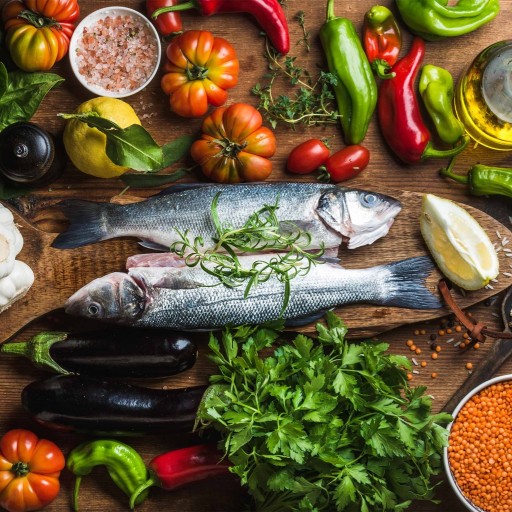
The essence of the Mediterranean diet lies in its simplicity. You don't need exotic ingredients or complicated recipes. Most foods are readily available at your local market. The key is how you combine and prepare them. First is olive oil, often called “liquid gold”—and rightly so.
It's the primary fat source in the Mediterranean diet, replacing butter or margarine in cooking. Especially extra virgin olive oil, rich in heart-healthy monounsaturated fats and antioxidants. Then there's an abundance of fruits and vegetables.
They're not just sides; they're the stars of the table. From ripe tomatoes to eggplants, leafy greens, bell peppers, zucchini, oranges, and grapes, every meal bursts with vibrant colors. These foods are packed with vitamins, fiber, and phytonutrients that help protect the body against disease and inflammation.
Whole grains, such as barley, brown rice, and whole wheat bread, also form the cornerstone of the Mediterranean diet. Mediterranean cooking favors whole grains over refined white flour, as whole grains keep you feeling full and energized.
Paired with legumes like lentils, chickpeas, and various beans, they create delicious, nutrient-dense dishes packed with protein and fiber without relying on meat. Of course, fish and seafood take center stage. Tuna, salmon, sardines, and anchovies are common choices.
They're rich in omega-3 fatty acids, which support brain health and lower the risk of heart disease. Don't forget nuts and seeds, often sprinkled on salads or enjoyed as snacks. Almonds, walnuts, and sunflower seeds may be small, but they're excellent sources of healthy fats, minerals, and protein.
The Science Behind the Lifestyle
You might wonder: Beyond the appealing images of coastal cuisine and olive oil, what does the science say? Is the Mediterranean diet truly healthier, or is it just hype? Research findings are remarkably consistent—this dietary pattern is linked to numerous health benefits.
One of its most widely recognized advantages is heart health. Studies show that people following a Mediterranean diet have a lower risk of heart disease and stroke. The combination of healthy fats, fiber, and antioxidants helps lower “bad” cholesterol and control blood pressure.
But that's not all. The Mediterranean diet is also associated with longer life expectancy. Regions like Crete and parts of Italy boast some of the world's highest concentrations of centenarians. Researchers believe dietary habits—along with active lifestyles and strong social connections—play a significant role.
Studies also suggest the Mediterranean diet may lower the risk of type 2 diabetes, Alzheimer's disease, and even certain cancers. A diet rich in plant-based foods provides anti-inflammatory compounds that protect cells and strengthen the immune system. In daily life, you may notice some obvious changes.
Many people report feeling more energetic, experiencing better digestion, and enjoying more stable moods after adopting the Mediterranean diet. Because meals are balanced and nutrient-dense, your body receives steady energy throughout the day—without sharp drops in blood sugar or feelings of hunger.
Perhaps most surprisingly, weight management becomes easier. While the Mediterranean diet includes fats and carbohydrates, it emphasizes high-quality fats and carbs—natural, whole sources that keep you satisfied for longer. You won't constantly feel hungry or struggle with cravings. You naturally eat healthier, feel healthier, and live healthier.
A Way of Life
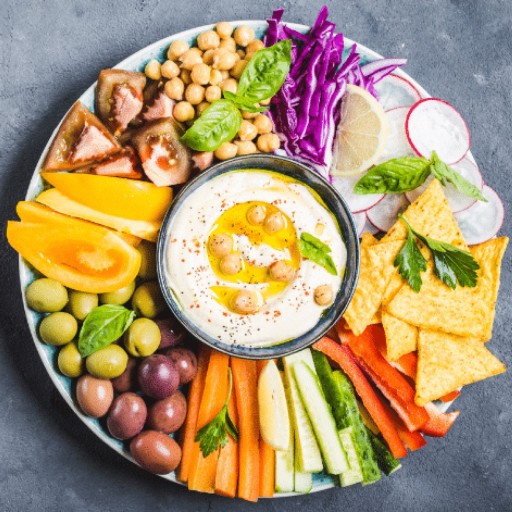
The Mediterranean diet isn't just about food choices; it's a lifestyle. In Mediterranean culture, meals are rarely eaten alone. Families gather around the table, sharing laughter and conversation. Food is savored and shared, not rushed. People stay active, but not necessarily through intense workouts.
It's more about walking, gardening, or weaving daily movement into the rhythm of life. The emphasis isn't on burning calories, but on moving naturally. Rest, balance, and community are equally valued—cornerstones of mental well-being.
The Mediterranean pace is slower, more deliberate. It reminds us that health isn't just about nutrition, but about harmony between body and mind. Choosing the Mediterranean diet isn't merely a meal plan; it's embracing a philosophy of life. It teaches you to see food as a friend, not an enemy.
Forget counting calories or obsessing over numbers. Simply select quality ingredients and savor each bite. This is a quiet rebellion against the rush and constraints of modern eating culture. Healthy eating doesn't have to be complicated or boring.
It doesn't chase perfection but focuses on consistency, mindfulness, and enjoyment. When you live this way, you nourish not just your body but also your soul.
 1
1 1
1OTHER NEWS
-
- Should you Choose a Real Estate Agent When Buying a Home?
- By Wendy 24 Apr,2023

-
- Credit card points and rewards seem cost-effective, but they actually hide these traps
- By ZXY 01 Sep,2025

-
- How do I Choose Between Selling my Home and Renting it out?
- By Wendy 24 Apr,2023

-
- Do small businesses really need tax services? When can they file their own taxes?
- By YCY 27 Jan,2026

-
- Mobile phone is the bank: one-click account opening, one-click financial management, digital financial life is coming
- By ZH 24 Jul,2025

-
- Is German manufacturing losing its edge? The latest casualty of the US-China strategic rivalry
- By ZXY 29 Jul,2025

-
- Gold surges to a new all-time high—what are investors afraid of?
- By ZXY 29 Jul,2025

-
- How to Avoid Being Scammed by Credit Card Fraud!
- By Wendy 24 Apr,2023

-
- Can the AI sector continue to drive the tech stock rally?
- By ZXY 30 Jul,2025

-
- Global manufacturing is slowing down in tandem. When will deflation strike?
- By ZXY 01 Aug,2025

-
- How much longer can the eurozone hold out? The ECB has reached the end of its rate hike cycle
- By ZXY 01 Aug,2025

-
- What does the upgraded regulation of digital currencies mean to investors?
- By ZH 25 Jul,2025