Electric Vehicles: The Future of Transportation or a Fleeting Trend?
Electric vehicles (commonly abbreviated as EVs) are no longer a rare sight on city streets or highways. Once viewed as experimental products or suitable only for environmentalists, they have now become a widespread part of everyday life.
Governments are actively promoting them, corporations are investing heavily, and drivers are passionately debating their merits at dinner tables and online forums. Do electric vehicles truly represent the future of transportation, or are they merely a fleeting trend influenced by current policies and public attention?
Transportation has always been a vital component of human society, and each transformation has reshaped how people live, work, and travel. Today, the world stands at another turning point. Issues like climate change, rising fuel costs, air pollution, and energy security are prompting many nations to rethink how people get around.
Electric vehicles have become a powerful symbol of this transformation. They promise quieter streets, cleaner air, and less dependence on oil. Headlines frequently report on new electric models, charging stations, and ambitious government targets. Yet, skepticism remains strong.
Critics question electric vehicles' price, charging convenience, battery life, and environmental impact. This tension makes electric vehicles one of the most debated topics in modern transportation. Will they truly become a new chapter in automotive history? Or will they fade into obscurity once the hype subsides?
The Rise of Electric Vehicles in Daily Life
Not long ago, seeing an electric vehicle felt like a novelty. Today, they appear in shopping mall parking lots, apartment garages, and ride-sharing fleets. Their ascent has been steady and undeniable. Automakers worldwide now offer electric vehicles. Some companies have announced plans to completely phase out gasoline-powered cars within the next decade or two.
New electric vehicle brands are flooding the market, while traditional automakers race to redesign their product lines. For consumers, this means unprecedented choice. In everyday life, electric vehicles are no longer the exclusive domain of luxury buyers.
Smaller, more affordable models are proliferating, and the used electric vehicle market is growing. News reports frequently highlight families switching to electric vehicles to save on fuel costs or city dwellers choosing them for short commutes. This widespread adoption has transformed electric vehicles from a niche product into a mainstream topic.
One of the strongest drivers behind electric vehicle growth is government policy. Governments worldwide view electric vehicles as a tool for reducing emissions and achieving climate goals. Many countries offer tax credits, rebates, or subsidies to encourage electric vehicle purchases.
Some cities provide free parking, dedicated lanes, or reduced tolls for electric vehicles. Others plan to ban the sale of new gasoline vehicles in the future. These policies make electric vehicles more attractive and affordable for many people. News reports often highlight how policy changes can rapidly boost EV sales or slow them down when incentives are withdrawn.
However, this close relationship with government support also raises questions. Some critics argue that EVs rely too heavily on subsidies and might struggle without them.
The Environmental Advantages of Electric Vehicles
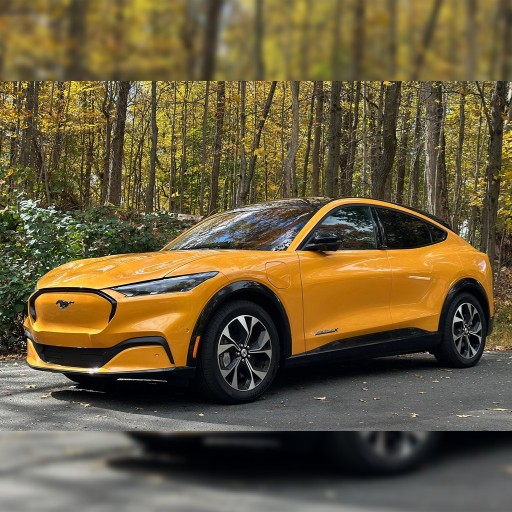
At the heart of the EV debate lies environmental concerns. Electric vehicles produce no tailpipe emissions while driving, meaning cleaner air in cities and towns. This is particularly crucial in areas where air pollution causes health problems. Advocates argue that widespread adoption could significantly reduce greenhouse gas emissions.
When powered by renewable sources like wind or solar energy, EVs can have a much smaller carbon footprint than conventional vehicles. News reports frequently cite studies suggesting EVs can cut potential emissions, or cities reporting improved air quality following increased EV usage.
For many, these environmental benefits are the primary reason to support electric transportation. However, the reality is far more complex than it appears on the surface.
Electric vehicles rely on large batteries, and battery production presents numerous environmental challenges. Mining materials like lithium, cobalt, and nickel can damage ecosystems and impact local communities. Battery manufacturing also consumes substantial energy.
In regions where electricity primarily comes from fossil fuels, battery production... electric vehicles may generate significant emissions. Investigative reporting has raised concerns about supply chains, labor conditions, and long-term sustainability. Recycling presents another challenge.
While battery recycling technology is improving, many spent batteries still end up stored or disposed of inefficiently. Critics argue that without better recycling systems, electric vehicles may merely shift pollution rather than eliminate it. These concerns fuel debates about whether electric vehicles are as environmentally friendly as they appear.
Convenience or Hassle?
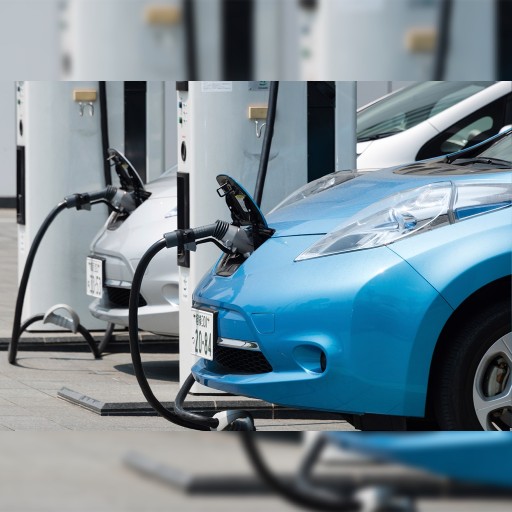
For many drivers, the biggest question is simple: where and how to charge. Gas stations are common and widely distributed, while charging stations remain unevenly spread. In some cities, charging infrastructure is growing rapidly. Shopping malls, office buildings, and residential complexes increasingly offer charging points.
Home charging allows drivers to start each day with a full charge, a convenience praised by many EV owners. However, charging can be difficult in rural areas or older neighborhoods. Long-distance travel still requires careful planning, especially in areas with fewer fast-charging stations.
News reports frequently mention drivers stranded due to charging station malfunctions or lengthy wait times. The success of electric vehicles hinges largely on a reliable and accessible charging network, making infrastructure a critical factor for their future growth.
The initial cost of electric vehicles typically exceeds that of gasoline-powered cars. Although prices are declining, many models remain out of reach for average consumers without subsidies. Supporters point to lower operating costs for EVs. Electricity is generally cheaper than gasoline, and electric motors require less maintenance.
Over time, these savings can offset the higher purchase price. Real-world examples in news reports show mixed results. Some households report significant savings, while others struggle with repair costs or battery replacements. The used EV market helps lower costs, but buyers remain cautious. Price remains a core issue, especially in countries lacking robust financial incentives.
Performance and Driving Experience
One aspect where EVs often surprise drivers is performance. Electric motors deliver instant torque, enabling smooth and rapid acceleration. Many EV owners report a quieter, more comfortable driving experience. News reviews frequently praise EVs for their handling and responsiveness.
Urban drivers appreciate the absence of engine noise, while commuters enjoy reduced vibration and a smoother ride. However, range anxiety remains a persistent concern. Although newer models offer extended ranges, extreme weather, high-speed driving, or heavy loads can significantly reduce battery life.
For drivers accustomed to rapid charging, adjusting charging habits can be challenging. The driving experience is generally positive but requires shifting expectations and habits.
Automakers have invested heavily in electric vehicles. Billions of dollars are pouring into EV R&D, battery factories, and software systems. Some companies view EVs as an opportunity to redefine transportation, focusing on digital features, connectivity, and autonomous driving.
Others see it as a necessary response to regulatory and market pressures. Industry news frequently highlights competition among manufacturers, with new models, longer ranges, and faster charging speeds emerging constantly.
This competition drives innovation but also creates uncertainty as companies adjust their strategies. The automotive industry's investments demonstrate that electric vehicles are not a fleeting experiment.
Global adoption rates for electric vehicles vary significantly. Some nations lead with high sales volumes and robust infrastructure, while others lag behind. Factors like income levels, electricity supply, urban planning, and government policies all play a role. News comparisons reveal how local conditions shape EV adoption.
These global disparities suggest EVs may gain traction faster in certain regions than others, rather than replacing gasoline vehicles uniformly everywhere overnight. The notion that EVs might be a fleeting trend stems from uncertainty.
The rise and fall of technologies is a long-standing phenomenon, and some fear EVs could face a similar fate. Concerns include limited battery resources, insufficient grid capacity, and shifting political priorities. Policy changes or new technologies could slow the momentum of electric vehicles.
However, the current scale of investment and adoption suggests that the EV movement is not a passing fad but is deeply entrenched. Electric vehicles are increasingly integrated into transportation planning and industry strategies.
 1
1 1
1OTHER NEWS
-
- How much longer can the eurozone hold out? The ECB has reached the end of its rate hike cycle
- By ZXY 01 Aug,2025

-
- Is German manufacturing losing its edge? The latest casualty of the US-China strategic rivalry
- By ZXY 29 Jul,2025

-
- Trump reignites tariff war, global supply chains face another shakeup
- By ZXY 28 Jul,2025

-
- Credit card points and rewards seem cost-effective, but they actually hide these traps
- By ZXY 01 Sep,2025

-
- Fixed deposits are not as good as flexible financial management? Analysis of financial management trends in 2025
- By ZH 24 Jul,2025

-
- Yield Curve Inversion Resurfaces: Is There Still Hope for a Soft Landing in the U.S. Economy?
- By ZXY 31 Jul,2025

-
- How do I Choose Between Selling my Home and Renting it out?
- By Wendy 24 Apr,2023

-
- With China's exports declining, is the global consumption chain beginning to break?
- By ZXY 31 Jul,2025

-
- Why Do Most People Overlook “Cash Flow Risk”?
- By ZXY 11 Oct,2025

-
- How much longer can the seven tech giants of the US stock market withstand high interest rates?
- By ZXY 28 Jul,2025

-
- The widening U.S. fiscal deficit is fueling debt concerns
- By ZXY 30 Jul,2025

-
- Who is the Primary Lender When Applying for a Home Loan? These Points are Important!
- By Little Grapes 24 Apr,2023