What is the most commonly overlooked safety hazard in wilderness camping?
Outdoor camping offers the perfect escape from the hustle and bustle of daily life. Immersing oneself in nature, breathing fresh air, and savoring the tranquil, serene atmosphere of the outdoors holds immense appeal. However, while the thrill and adventure of camping are undeniably exciting, they also come with inherent risks.
Many are aware of common hazards like wildlife or severe weather, but other safety concerns are often overlooked. If not taken seriously, these hazards can quickly turn a pleasant outdoor excursion into a dangerous predicament.
More Than Just Flames
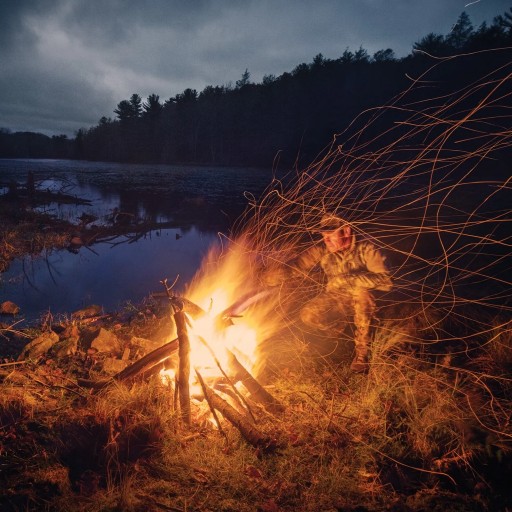
When it comes to camping, fire is an integral part of the experience. Whether for cooking, warmth, or illumination, campfires often serve as the focal point of a campsite. Yet, many campers overlook the various fire hazards that can arise during their camping trip. While a well-controlled campfire provides warmth and light, it can easily spread, especially in windy conditions.
A single spark carried by the wind can swiftly ignite dry leaves, branches, or grass, sparking a wildfire that spreads rapidly. Campers often underestimate how quickly fire can spread, particularly in dry weather conditions.
Another common oversight is failing to fully extinguish the campfire before leaving the site. It's easy to assume a fire will extinguish itself, but even small embers can smolder for hours and reignite under favorable conditions. Campers frequently leave campsites with fires still burning or only partially extinguished, putting themselves and others at risk.
How to ensure safety? Always be mindful of wind direction and keep an eye on items around the fire. Whenever possible, use fire rings or fire pits, and ensure the fire is thoroughly extinguished with water, stirring the ashes until they are completely cooled. When it comes to fire safety outdoors, caution is always the right approach.
Dehydration and Overexertion
While most campers remember to pack enough food, they often overlook the importance of staying hydrated, especially during physical activities. Dehydration and overexertion are invisible threats that can catch even experienced campers off guard. Dehydration is a common issue, especially during hot summers or after strenuous activities like hiking.
Even mild dehydration can cause dizziness, headaches, and fatigue, while severe dehydration may lead to heatstroke, kidney failure, or even death. Many campers only realize they're dehydrated when it's too late, as early symptoms can be subtle.
Overexertion occurs when campers push their physical limits too far—whether through prolonged hiking, carrying excessive loads, or climbing in extreme conditions. Amid the excitement of outdoor adventures, it's easy to ignore fatigue warnings, but pushing beyond one's limits can cause serious injuries like muscle strains, sprains, or heatstroke.
Staying hydrated is crucial—drink water regularly even if you don't feel thirsty. During physical activities, pace yourself and listen to your body. Take frequent breaks, rest in the shade when needed, and avoid overexertion in extreme weather conditions.
Hidden Health Risks
One of the most overlooked safety hazards in outdoor camping is insect bites. While most people are aware of mosquitoes and the itching that follows their bites, the insect world harbors additional dangers that can pose serious health risks. Mosquitoes aren't just annoying insects—they also transmit diseases like malaria, West Nile virus, and Zika virus.
In certain regions, Lyme disease, spread through tick bites, is also a major concern. Many campers fail to take adequate precautions against insects, dismissing a few bites as harmless. However, untreated tick bites can lead to chronic illnesses. Bees, wasps, and hornets can be dangerous, especially for campers with allergies.
A single sting may trigger an allergic reaction requiring immediate medical attention. Additionally, some insects, such as ants and spiders, may bite with little warning, causing infections or allergic reactions. When hiking or traversing areas with tall grass or dense vegetation, wear long sleeves and pants to minimize tick exposure.
Apply insect repellent containing DEET to exposed skin and avoid camping in areas with high insect populations. Individuals with known allergies to insect bites should carry an epinephrine auto-injector (EpiPen) and be prepared to seek medical assistance if necessary.
Navigation Errors
One of the most unsettling safety hazards in outdoor camping is the risk of getting lost. While exploring new trails and areas is one of camping's highlights, improper navigation can lead to dangerous situations. Many campers rely on GPS devices and smartphones for navigation, but these tools can malfunction or lose signal in remote areas.
Overreliance on these devices creates a false sense of security, and without backup plans, campers can quickly find themselves lost in the wilderness, unable to determine their direction. Another common mistake is failing to prepare adequately for navigation before hiking or exploring.
Not studying maps, carrying a compass, or informing others of your route can lead to serious problems if you deviate from your planned path. Before setting out, be sure to research the area, obtain a paper map, and familiarize yourself with key landmarks.
Use a compass as a backup to electronic devices, and inform someone of your expected route and return time. If you become lost, remain calm, stay put, and signal for help if possible.

Dangers Underfoot
When camping in the wild, terrain can be unpredictable. From slippery rocks to uneven ground, the risk of tripping, slipping, or falling is ever-present—particularly hazardous during hikes or while setting up camp. Campers often underestimate the risk of falling while navigating rugged or hilly terrain.
A simple misstep can lead to ankle sprains, fractures, or even more severe injuries. Unstable ground around campfire areas, rivers, or lakes also increases the risk of slips and falls, especially in wet conditions. Always wear appropriate footwear with good traction, especially when hiking on rugged or rocky terrain.
Move slowly and carefully, particularly when crossing rivers or streams, or walking in areas with loose rocks or mud. Ensure your campsite is located on level ground to minimize the risk of accidents.
Wildlife Encounters
For many campers, spotting wildlife is one of the main joys of camping. However, many campers are unaware of the risks associated with encounters with wildlife—from bears and snakes to smaller animals like raccoons. Bears and large predators are obviously dangerous, but even smaller animals can pose a threat if they feel threatened.
Animals like raccoons, skunks, and squirrels can raid food supplies, while insects and reptiles can deliver painful bites or stings. In some cases, animals may carry diseases like rabies, which can be transmitted through bites. Store food in bear-proof containers and avoid keeping food inside your tent.
Always maintain a safe distance from wildlife and never attempt to feed or approach animals. If camping in bear-prone areas, carry bear spray and know how to use it. Stay aware of your surroundings and make noise when traversing forests to alert animals to your presence.
Camping offers a highly rewarding experience, allowing people to connect with nature and unwind. However, understanding potential hazards during camping trips is crucial. Fire safety, hydration, insect protection, navigation, terrain awareness, and wildlife encounters are all key aspects of ensuring a safe and enjoyable experience.
By preparing in advance, staying alert, and following safety guidelines, campers can minimize risks and ensure their outdoor adventures are filled with fun rather than danger. The vast outdoors is full of surprises, but with proper preparation, it remains a place where wonderful memories can be made safely and reliably.
 1
1 1
1OTHER NEWS
-
- How do I Choose Between Selling my Home and Renting it out?
- By Wendy 24 Apr,2023

-
- High-yield stocks vs. growth stocks: Which type of investment is more resistant to risks? A game of wealth defense and offense
- By ZH 23 Jul,2025

-
- Yield Curve Inversion Resurfaces: Is There Still Hope for a Soft Landing in the U.S. Economy?
- By ZXY 31 Jul,2025

-
- With China's exports declining, is the global consumption chain beginning to break?
- By ZXY 31 Jul,2025

-
- Global manufacturing is slowing down in tandem. When will deflation strike?
- By ZXY 01 Aug,2025

-
- How to Effectively Manage Debt: Strategies for Balancing Payments and Savings
- By YCY 07 Jan,2026

-
- Trump reignites tariff war, global supply chains face another shakeup
- By ZXY 28 Jul,2025

-
- Gold surges to a new all-time high—what are investors afraid of?
- By ZXY 29 Jul,2025

-
- "Buy Now, Pay Later" is changing the consumer finance landscape: a payment revolution spreading around the world
- By ZH 25 Jul,2025

-
- Watch out for the Following Credit Card Scams!
- By Wendy 24 Apr,2023

-
- How much longer can the seven tech giants of the US stock market withstand high interest rates?
- By ZXY 28 Jul,2025

-
- Do small businesses really need tax services? When can they file their own taxes?
- By YCY 27 Jan,2026