The Science of Food Pairing: Why Some Flavors Click Instantly
Food is not merely sustenance; it is a language. Every culture, every region, expresses itself through its unique culinary traditions. One of the most magical aspects of food is the perfect pairing of flavors—two seemingly simple ingredients come together to create a taste far greater than the sum of its parts.
Whether it's tomatoes and basil or chocolate and orange, some flavor combinations seem destined to be together. What lies behind these perfect pairings? Why do some foods harmonize so beautifully while others clash? It's not merely luck or intuition; the true science lies in the chemical reactions of flavor compounds.
The Fundamentals of Flavor and Taste
Before delving into the science of food pairing, it's essential to understand the basics of how we perceive flavor. Flavor is a complex sensory experience involving the interplay of taste, smell, and texture. Our taste buds can identify five basic tastes: sweet, salty, sour, bitter, and umami.
However, flavor is heavily influenced by smell, which is why food tastes bland when we have a cold or stuffy nose. Beyond these basic tastes, a food's texture (crisp, soft, or chewy) and temperature (cold or hot) also play vital roles in the flavor experience.
The principle of food pairing involves combining ingredients whose flavors, textures, and aromas complement each other. This stimulates different areas of our taste buds and enhances each other's characteristics. Certain combinations simply “feel right” to us, and the reason behind this often relates to specific chemical reactions that occur when ingredients interact.
The Chemical Components Affecting Food Pairing
The key to understanding why certain flavors blend perfectly lies in the chemical components that make up the foods we eat. Each food contains multiple chemical compounds that collectively determine its aroma, flavor, and overall character. When different foods are mixed, these compounds interact, sometimes creating new flavors and other times enhancing existing ones.
For instance, one reason tomatoes and basil pair so well is due to a compound in basil called eugenol. Thymol possesses a sweet, slightly spicy, clove-like aroma that pairs perfectly with the glutamate found in tomatoes. Glutamate is the source of umami, the savory taste present in many foods like meat and cheese.
When these compounds combine, they work harmoniously to create a balanced and pleasing flavor. Similarly, the pairing of chocolate and orange is no coincidence. Chocolate contains compounds like theobromine, which give it its rich, bitter flavor, along with flavonoids—bitter-tasting antioxidants.
Oranges, meanwhile, are rich in citric acid and terpenes, contributing their citrusy sweetness and intense tartness. When paired, chocolate's bitterness complements the orange's bright sweet-tartness, highlighting the essence of both flavors.
These examples demonstrate how the chemical makeup of different foods explains why certain combinations taste delicious and how the interactions between these compounds create culinary harmony.
The Role of Aroma in Food Pairing
A frequently overlooked key factor in food pairing is aroma. As mentioned earlier, smell plays a crucial role in taste perception. In fact, approximately 80% of the flavors we taste originate from our sense of smell. This explains why certain food combinations that seem odd at first glance often turn out to be surprisingly delicious once tried.
The interactions between aromatic compounds in food are complex, and it is often the fusion of these aromas that creates the culinary world's “perfect pairings.” The key lies in the fact that certain aromas blend more readily than others. For example, both vanilla and cinnamon contain vanillin (a compound responsible for their sweet, rich aroma).
When combined, they enhance sweetness and add layers of flavor, making them a perfect match for both desserts and savory dishes. Another example is the classic pairing of cheese and wine. Both cheese and wine contain esters, aromatic compounds responsible for their distinct aromas. When combined, these esters synergize, intensifying the overall flavor experience.
For instance, red wine contains various esters like ethyl acetate, which contribute its fruity notes. When paired with the butyric acid and lipids present in cheese, these esters interact to create a pleasing sensory experience, balancing the cheese's richness with the wine's refreshing qualities.
Understanding the interplay between aromatic compounds is key to mastering food pairing techniques. The more you understand the flavors and aromas of your ingredients, the better you can create harmonious combinations that also work on a deeper, more scientific level.
Food Pairing Based on Similar or Complementary Flavor Compounds
There are two primary approaches to food pairing: similarity pairing and complementary pairing. When two foods share common flavor compounds, a *similarity pairing* occurs. This explains why strawberries and balsamic vinegar pair so well. Both contain *ethyl butyrate* (which gives strawberries their fruity aroma) and *acetic acid* (the main component of vinegar).
When combined, this similarity in flavor characteristics enhances the strawberry's sweetness while balancing the vinegar's acidity, creating a harmonious sweet-and-sour taste. On the other hand, *complementary pairing* occurs when two ingredients with distinctly different flavor profiles elevate each other.
A classic example is the combination of *sweetness* and *saltiness*. Salt enhances sweetness perception by activating different taste receptors on the tongue—hence the popularity of salted caramel. The *sodium* in salt stimulates caramel's rich sweetness, achieving a balance unattainable by either component alone.
This principle also explains the perfect pairing of peanut butter and jam: the saltiness of peanut butter accentuates the sweetness of jam, while its thick texture complements the jam's smoothness.
The Influence of Texture on Flavor Pairings
While flavor is often the primary consideration in food pairing, texture plays an equally vital role. The interplay of different textures elevates a dish's complexity and enhances the dining experience.
Whether it's the crisp freshness of a salad meeting the creamy richness of a sauce, or the crispy crunch of fried chicken intertwining with the velvety softness of mashed potatoes, textures consistently collaborate with flavors to create a feast for the senses.
Textural combinations also influence how we perceive a dish's flavor profile. For instance, the smoothness of avocado contrasts sharply with the crispiness of toast, making both flavors stand out more distinctly. The avocado's smoothness complements the toast's crispness, creating a satisfying sensory experience.
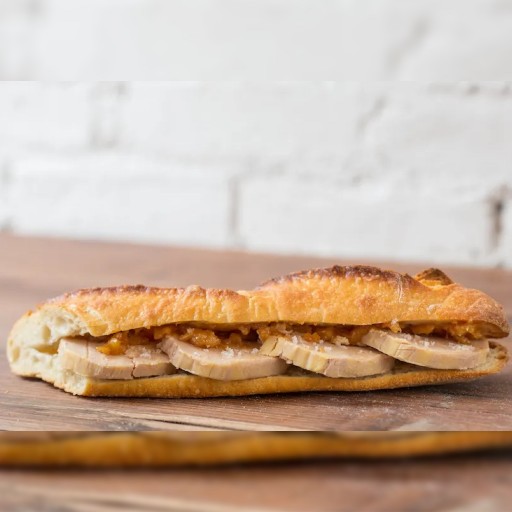
This principle also applies to pairing rich and light textures. For instance, rich flavors like foie gras are perfectly matched with the light texture of fresh baguette—the crisp bite balances the foie gras's richness, creating harmony between richness and freshness.
Many classic pairings—like apple with cinnamon, mango with chili, or fish with lemon—have been passed down through generations, often rooted in the wisdom and intuition chefs develop through long observation of flavor harmonies. Even if people don't fully grasp the underlying science, these combinations feel natural to those raised in that culinary tradition.
The science of food pairing isn't exclusive to professional chefs or food scientists; anyone can explore and apply it to elevate their cooking. By understanding chemical interactions, how texture influences flavor, and the evolution of traditional pairings over time, everyone can begin crafting their own perfect flavor combinations.
Food pairing is the fusion of art and science, the collision of chemistry and creativity. Whether you're an experienced chef or a novice cook, mastering the principles of flavor pairing unlocks endless culinary possibilities.
Next time you step into the kitchen, consider the science behind the flavors you're working with—a perfect pairing might just be one chemical reaction away from becoming your new favorite combination.
 1
1 1
1OTHER NEWS
-
- Trump reignites tariff war, global supply chains face another shakeup
- By ZXY 28 Jul,2025

-
- Should you Choose a Real Estate Agent When Buying a Home?
- By Wendy 24 Apr,2023

-
- How much longer can the eurozone hold out? The ECB has reached the end of its rate hike cycle
- By ZXY 01 Aug,2025

-
- How much longer can the seven tech giants of the US stock market withstand high interest rates?
- By ZXY 28 Jul,2025

-
- Real Estate Investment Needs to be Careful!
- By Little Grapes 24 Apr,2023

-
- Yield Curve Inversion Resurfaces: Is There Still Hope for a Soft Landing in the U.S. Economy?
- By ZXY 31 Jul,2025

-
- With China's exports declining, is the global consumption chain beginning to break?
- By ZXY 31 Jul,2025

-
- Credit card points and rewards seem cost-effective, but they actually hide these traps
- By ZXY 01 Sep,2025

-
- "Buy Now, Pay Later" is changing the consumer finance landscape: a payment revolution spreading around the world
- By ZH 25 Jul,2025

-
- How to Effectively Manage Debt: Strategies for Balancing Payments and Savings
- By YCY 07 Jan,2026

-
- Why Do Most People Overlook “Cash Flow Risk”?
- By ZXY 11 Oct,2025

-
- Do small businesses really need tax services? When can they file their own taxes?
- By YCY 27 Jan,2026