The Secret of Slow Cooking: Unlocking the Deliciousness of Low-Temperature Slow-Cooked Recipes
The art of slow cooking lies in its ability to gradually draw out the natural flavors of ingredients, allowing them to blend seamlessly into a harmonious unity of taste and texture. The core of slow cooking lies in gently simmering food at low temperatures, resulting in tender, juicy, and flavorful dishes that often improve with time.
This contrasts sharply with rapid high-heat cooking methods, which cause ingredients to lose moisture and flavor. Typically requiring hours of extended cooking, slow cooking breaks down connective tissue in tougher meats, intensifying flavors while tenderizing ingredients without compromising their integrity.
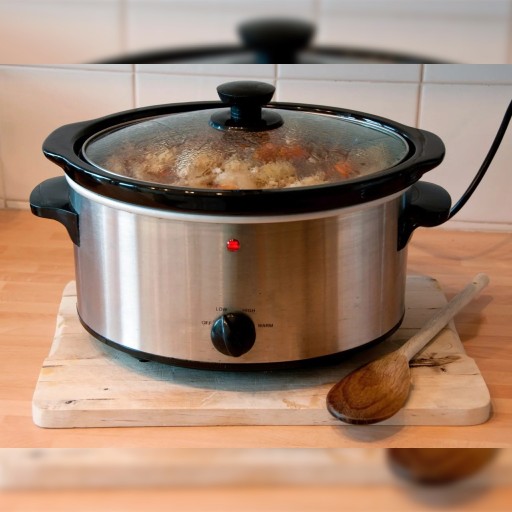
Slow cookers (or electric stew pots) have democratized this method for home cooks worldwide. These kitchen helpers require only temperature settings and no supervision to effortlessly prepare everything from hearty stews to perfectly roasted meats.
The versatility of slow cookers means anyone, regardless of cooking experience, can create dishes that taste as if they've simmered for hours on the stovetop—without constant tending.
Key Techniques for Successful Slow Cooking
The first secret to slow cooking is understanding the role of temperature and time. Most slow cookers offer low, medium, and high heat settings, but slow cooking typically refers to prolonged cooking at low temperatures. This gentle heating ensures even cooking and tenderizes the food—the key to perfect results.
For instance, when making beef stew, the meat requires hours of low-temperature slow cooking. This allows fat to render, flavors to permeate the meat, and vegetables to absorb the rich juices, resulting in a deeply flavorful dish.
Slow cooking fully releases flavors often overlooked in faster methods, as low heat allows spices, herbs, and other ingredients to meld together. Another crucial technique is layering ingredients in the correct order.
For stews, root vegetables should be placed at the bottom of the slow cooker since they require longer cooking times than meat. Liquids like broth or wine should be poured over the ingredients in layers, ensuring they remain moist and tender throughout the cooking process.
Classic Beef Stew
Beef stew is a timeless slow-cooker classic. Nutritious and flavorful, it's perfect for any season. Slow-cooking beef yields melt-in-your-mouth tenderness, while vegetables and herbs fully absorb the rich broth. To make a simple beef stew, first sear beef chunks in a skillet until golden brown. This step isn't essential but helps enhance the beef's flavor.
Next, place the beef in the slow cooker along with chopped onions, carrots, potatoes, and minced garlic. Pour in beef broth and add herbs like thyme, rosemary, and bay leaves. Set the slow cooker to low and simmer for about 7-8 hours. Finally, the beef will become tender, and the broth will transform into a rich, savory sauce that perfectly coats the vegetables and meat.
Pulled Pork
Pulled pork is another slow-cooked delight, an ideal choice for effortless cooking. Use pork shoulder or butt cuts, as their fat content keeps the meat juicy during extended cooking. Mix paprika, garlic powder, brown sugar, and chili powder to create a rub, then coat the pork surface.
Place in the slow cooker with apple cider vinegar or barbecue sauce, then cook on low for about 8 hours. The meat will become exceptionally tender, easily shreddable with two forks. Serve in bread rolls with coleslaw, or use as filling for tacos and tortilla chips.
Slow-Cooked Chicken and Vegetable Stew
For a light yet satisfying dish, slow-cooked chicken and vegetable stew is an ideal choice. Use bone-in chicken thighs to lock in flavor, layering carrots, celery, onions, potatoes, and other vegetables in the pot. Add herbs like thyme and parsley, along with chicken broth.
After 6-7 hours of low-temperature slow cooking, the chicken will naturally fall off the bone, and the vegetables will be tender and flavorful, creating this heartwarming and healthy dish.
Vegetable Lasagna
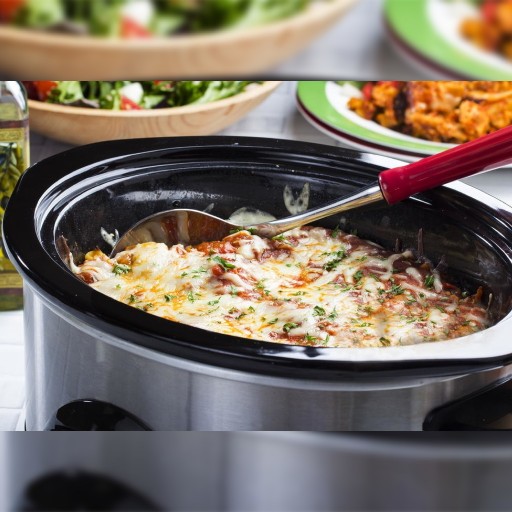
Slow-cooker vegetable lasagna is a delightful surprise for vegetarians or those seeking new flavors. Layer your favorite vegetables like zucchini, spinach, and mushrooms with ricotta cheese, tomato sauce, and lasagna noodles. The slow cooker works its magic, allowing flavors to meld while the noodles soften and absorb the sauce.
After 4-5 hours of low-temperature cooking, you'll achieve a rich, creamy lasagna that's far less time-consuming than the traditional oven-baked version.
Success Secrets
While slow cooking is forgiving, mastering these tips ensures perfection: First, never skip sautéing steps if called for in the recipe. Searing meats releases deep flavors and seals in juices. Second, taste and adjust seasoning regularly. The slow-cooking process can dilute flavors, so taste near the end and adjust seasonings accordingly.
Adding salt, pepper, or fresh herbs just before serving significantly enhances the final taste. Finally, feel free to experiment. The beauty of slow cooking lies in its flexibility—simply adjust cooking times and layer ingredients according to slow cooker principles to transform any recipe into a slow-cooked masterpiece.
Its appeal extends beyond creating flavorful meals; it perfectly complements fast-paced lifestyles. Slow cookers were designed for convenience: prepare ingredients in the morning, set the cooking program, and enjoy a ready-made meal hours later.
This makes slow cooking ideal for busy families, working professionals, or anyone who doesn't want to spend hours in the kitchen but still craves home-cooked comfort. Additionally, slow cooking offers a more economical way to dine. Those typically inexpensive cuts of tougher meat become tender and juicy after slow cooking.
This means you can prepare delicious meals for your family without breaking the bank. What's more, slow-cooked food is often more nutritious—it locks in vitamins and minerals, preventing these nutrients from being lost during rapid cooking.
As a timeless culinary tradition, slow cooking captivates through its perfect blend of simplicity, patience, and flavor, creating heartwarming dishes that bring deep satisfaction. Whether it's a rich stew, a savory char siu sandwich, or a vegetable lasagna, slow cooking unlocks endless possibilities for deliciousness.
This method brings us back to the essence of home cooking, inviting us to slow down, savor the process, and enjoy the delicious results. In today's fast-paced world, where meals are often rushed, slow cooking invites us to pause and appreciate the artistry of food.
Embrace slow cooking, and you'll unlock the ability to create dishes that are not only delicious but also brimming with love and care.
 1
1 1
1OTHER NEWS
-
- With China's exports declining, is the global consumption chain beginning to break?
- By ZXY 31 Jul,2025

-
- What does the upgraded regulation of digital currencies mean to investors?
- By ZH 25 Jul,2025

-
- Credit card points and rewards seem cost-effective, but they actually hide these traps
- By ZXY 01 Sep,2025

-
- Who is the Primary Lender When Applying for a Home Loan? These Points are Important!
- By Little Grapes 24 Apr,2023

-
- Gold surges to a new all-time high—what are investors afraid of?
- By ZXY 29 Jul,2025

-
- Why Do Most People Overlook “Cash Flow Risk”?
- By ZXY 11 Oct,2025

-
- Mobile phone is the bank: one-click account opening, one-click financial management, digital financial life is coming
- By ZH 24 Jul,2025

-
- Watch out for the Following Credit Card Scams!
- By Wendy 24 Apr,2023

-
- How much longer can the seven tech giants of the US stock market withstand high interest rates?
- By ZXY 28 Jul,2025

-
- What do you Mean by Mortgage? What Does it Mean to Have a Mortgage?
- By Little Grapes 24 Apr,2023

-
- Fixed deposits are not as good as flexible financial management? Analysis of financial management trends in 2025
- By ZH 24 Jul,2025

-
- How to Avoid Being Scammed by Credit Card Fraud!
- By Wendy 24 Apr,2023