The timing of pruning actually determines the length of the blooming period
You might not notice it at first, but many moments in daily life are like the plants you quietly nurture on your balcony. They grow when you're not looking, wither when you forget to water them, and bloom when light and temperature are just right.
But what truly determines everything—the length of their flowering season, the health of their branches, the vigor of their growth—is the moment you choose to prune. You might think pruning is merely cutting away the messy parts, but the truth runs far deeper.
It holds surprising parallels to how you handle work, relationships, and even personal habits. The timing of pruning actually determines the length of the blooming season. Once you grasp this principle, you'll begin to view your own life through a different lens.
Prune at the Right Time, Enjoy a Longer Bloom
You may have watched buds emerge on your houseplants—those tiny knots of hope that pause you for a moment before rushing into your morning routine. Yet you might not realize that the length of these blooms, the duration of their beauty, hinges on an earlier action: whether you pruned the old branches, whether you decisively cut away the growth.
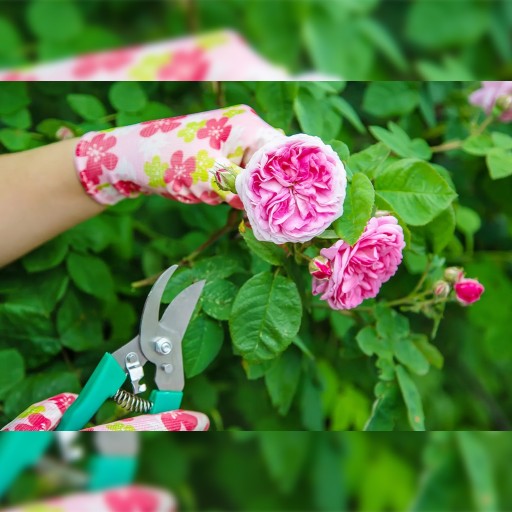
Growth is no accident; its cycles are predictable, much like the rhythms of your own energy and habits. Consider a rosebush. You know its nature—it grows vigorously and blooms profusely, but if left unpruned for too long, it becomes overgrown with spent flowers.
Pruning immediately after the first bloom encourages new growth, forming fresh buds and yielding a second wave of flowers. Prune too late, and the plant's energy is wasted on old structures, shortening the next flowering period. Timing is crucial. Too early means missing the opportunity. Too late means fleeting beauty.
Does this pattern feel familiar? You may have experienced this yourself: pushing too soon—perhaps starting a project before you were truly ready, only to see your enthusiasm fade halfway through.
Or waiting too long—perhaps getting stuck in stagnant routines, relationships, or work, clinging on even after joy has vanished, until the eventual “pruning” feels more like a crisis than a natural choice. In this sense, life's pruning mirrors that of plants: rushing it hinders growth; delaying too long shortens the bloom.
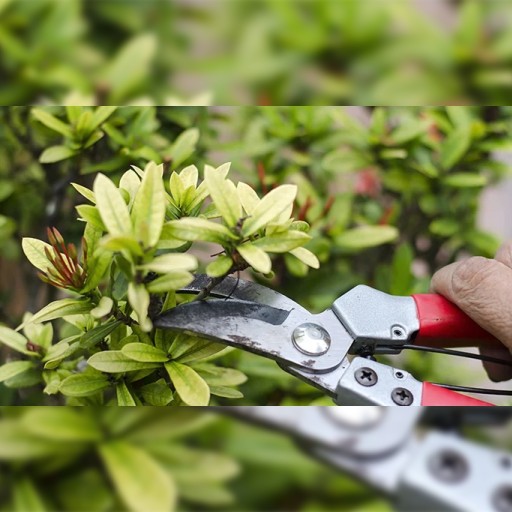
Garden Pruning
Imagine standing before a hibiscus bush. Warm sunlight bathes the leaves, revealing clusters of blooms that seem ready to fall. You know hibiscus flowers bloom briefly, but with proper care, they can bloom again and again.
If you carefully trim away the fading blossoms and the small branches that have stopped flowering, the plant can redirect its energy toward new growth. Timing is crucial: pruning immediately after old blooms fade encourages a longer flowering period.
If you wait too long, the plant wastes nutrients on structures that have served their purpose. Here's the key: plants are constantly deciding where to allocate energy, and your pruning timing tells them what to prioritize. Pruning at the right moment is like whispering to it: “Grow here, start anew, keep blooming.”
If you prune too late or irregularly, the plant receives confusing signals, leading to erratic blooming and a shortened flowering season. Gardenias, hydrangeas, bougainvilleas, jasmines, and nearly every flowering plant you grow follow the same principle.
Each plant has its own growth rhythm, and pruning allows you to align with that rhythm. When you master the right timing for pruning, your plants will reward you with longer blooming periods. If you guess or prune randomly, the blooming season will shorten, weaken, or become uneven.
Prune Your Daily Routine
Think about how you manage your daily tasks. Perhaps your schedule is perpetually packed, and you keep taking on new tasks until you feel overwhelmed by too many things at once. Your energy gets scattered, your focus gradually fades, and everything beautiful fleets by—your creativity, motivation, even your patience.
Pruning before burnout sets in extends your “blooming period.” You can choose to let go before exhaustion takes over. You can delegate tasks, postpone plans, or streamline processes. You can cut away the “wilting flowers”—tasks that no longer matter, responsibilities you've outgrown, obligations that once held meaning but now weigh you down.
But if you prune too early—stifling opportunities before they've fully ripened—you'll miss chances for growth or passion. Perhaps you abandoned a course prematurely. Perhaps you abandoned a hobby at the first sign of difficulty. Maybe you gave up on something because it didn't yield immediate results. Like cutting buds too soon, you shortened your potential bloom time.
Yet if you prune too late, your bloom time also shrinks. You've likely experienced days when you pushed through exhaustion to finish tasks, only to find the passion long gone by completion. Just as plants waste energy on old branches, you squander your vitality on things that no longer foster growth. Timing is crucial.
When you seize the right moment, your efficiency not only soars dramatically but also grows steadily and sustainably. You maintain a long-lasting, consistent rhythm instead of the old pattern of explosive bursts followed by rapid collapse.
Prune Your Space
Look around your home. Every drawer, every shelf, every corner has its own growth cycle. Items accumulate silently, clutter multiplying faster than most plants. But when you choose to prune—discarding expired items, donating unused possessions, clearing countertops—you create a new “blooming season” for your environment.
Prune before clutter piles too high, and your space stays light and tidy. Each small area you organize extends your home's comfortable “blooming season.” But trim too early, and you might discard items still needed, forcing yourself to find replacements or compensate for their absence. Trim too late, and the space becomes suffocatingly cluttered.
Disorder drains your home's energy, shortening its bloom. Only by timing it right—neither rushing nor procrastinating—can your environment truly flourish. You may be trying to cultivate certain habits—exercising, reading books, waking up early, improving your diet.
But habits are like delicate flowers: pruning daily routines at the wrong time can undermine the longevity of positive outcomes.
Timing matters more than technique
Gardeners understand a silent truth: cultivating beauty requires not mastery, but timing. Experts who prune at the wrong season still shorten the bloom; novices who prune at the right moment enjoy a long, abundant flowering season. Life is no different. Timing needn't be perfect, but it must be deliberate.
Pay attention to cycles—emotional cycles, energy cycles, environmental cycles, relationship cycles. When you grasp the rhythm (even roughly), the season of blossoming becomes longer and more vibrant.
Standing before the flowerbed with shears in hand, you're not just gardening—you're cultivating life wisdom. You learn to trim away useless branches, creating space for new growth and granting yourself the potential for longer-lasting bloom. Pruning isn't always precise.
Sometimes cutting too early misses opportunities; sometimes delaying only adds unnecessary weight. Yet with repeated practice, you gain insight into the patterns—timing becomes instinct, decisions grow clearer, and growth unfolds naturally rather than through force. In daily life, the timing of your pruning determines the length of your bloom.
Whether it's workload, relationships, home environment, habits, or thought patterns, they all respond to your choices like plants respond to scissors. So next time you face plants—or cluttered drawers, overbooked schedules, draining relationships, or noisy thoughts—remember: the timing of pruning determines the length of the blooming season.
When you prune with awareness rather than impulse, acting when growth truly needs support, you open the door to longer, healthier, and more brilliant seasons.
 1
1 1
1OTHER NEWS
-
- Gold surges to a new all-time high—what are investors afraid of?
- By ZXY 29 Jul,2025

-
- Mobile phone is the bank: one-click account opening, one-click financial management, digital financial life is coming
- By ZH 24 Jul,2025

-
- Can the AI sector continue to drive the tech stock rally?
- By ZXY 30 Jul,2025

-
- How much longer can the seven tech giants of the US stock market withstand high interest rates?
- By ZXY 28 Jul,2025

-
- "Buy Now, Pay Later" is changing the consumer finance landscape: a payment revolution spreading around the world
- By ZH 25 Jul,2025

-
- Real Estate Investment Needs to be Careful!
- By Little Grapes 24 Apr,2023

-
- Trump reignites tariff war, global supply chains face another shakeup
- By ZXY 28 Jul,2025

-
- Who is the Primary Lender When Applying for a Home Loan? These Points are Important!
- By Little Grapes 24 Apr,2023

-
- How to Effectively Manage Debt: Strategies for Balancing Payments and Savings
- By YCY 07 Jan,2026

-
- Watch out for the Following Credit Card Scams!
- By Wendy 24 Apr,2023

-
- Do small businesses really need tax services? When can they file their own taxes?
- By YCY 27 Jan,2026

-
- What does the upgraded regulation of digital currencies mean to investors?
- By ZH 25 Jul,2025