Can eating fruit after meals really aid digestion? The answer may surprise you
You've probably heard it countless times: “Eating fruit after meals aids digestion.” Sounds like sound advice, right? Fruit is healthy, and digestion is crucial for overall bodily function. So enjoying a juicy apple or a refreshing slice of pineapple after a meal seems like it would help keep your digestive system running smoothly.
But what if I told you the science behind this common belief might not be as straightforward as it seems? You might be surprised by the real answer. In this article, we'll delve into the age-old question: Does eating fruit after meals truly aid digestion?
We'll explore the science behind digestion, dissect common misconceptions, and consider whether post-meal fruit is genuinely the best choice for digestive health. Whether you're a fruit enthusiast or just enjoy an occasional piece after dinner, understanding how fruit interacts with your digestive system matters more than you might think.
Digestion Process: A Brief Overview
Before we delve into whether eating fruit after meals truly aids digestion, let's quickly review the digestive process. Digestion begins the moment you put food in your mouth. Saliva starts breaking down carbohydrates, teeth grind food into smaller particles, and then it's swallowed and enters the stomach.
The stomach is an acidic environment where food mixes with digestive juices for further breakdown. Afterward, food enters the small intestine, where most nutrients are absorbed into the bloodstream.
Simultaneously, the pancreas and liver are busy secreting digestive enzymes and bile to help break down fats, proteins, and carbohydrates. The remaining undigested food residue moves into the large intestine, where water is absorbed and waste is formed.
By the time food leaves the body, it has been transformed into substances the body can utilize or eliminate. Theoretically, eating fruit after meals could enhance this process by providing additional digestive enzymes, fiber, and moisture. But is this really the case? Let's explore the science behind it and uncover the truth.

Common Misconception: Fruit Promotes Digestion
The most widespread misconception about eating fruit after meals is that it “promotes digestion.” This view originates from ancient traditional medical systems like Ayurveda and Traditional Chinese Medicine, which emphasize how foods help balance the body's internal energy or digestive capacity.
According to this perspective, fruit is considered a natural digestive aid because it is light, fresh, and rich in enzymes that break down food in the stomach. While these ideas have been passed down through generations, modern science doesn't fully support the notion that fruit is a magical digestive helper.
Fruit does contain fiber, vitamins, and antioxidants that offer significant benefits for overall health. But when it comes to aiding digestion after a meal, the current evidence isn't as conclusive as you might think.
Let's get straight to the point: Is there scientific evidence that eating fruit after a meal accelerates or improves digestion? In short, it depends on the type of fruit, what you ate, and even when you eat it. Fruits contain substances called enzymes, which are proteins that help break down food.
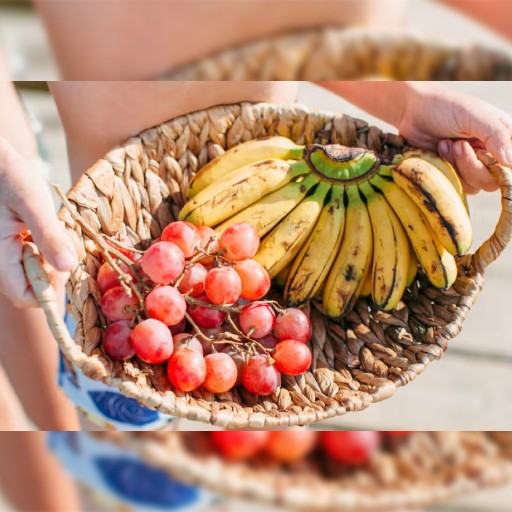
One of the most famous enzymes in fruit is bromelain, found in pineapples, often touted for its ability to break down proteins. Similarly, papain in papayas is another enzyme that aids protein digestion.
However, the key point is this: when you eat fruit after a meal, stomach acid is already effectively breaking down proteins, fats, and carbohydrates. So while the enzymes in fruit might help break down proteins, the moment food enters the stomach, stomach acid has already begun this process.
Moreover, the digestive enzymes in fruit are not activated once food enters the stomach. The acidic environment of the stomach actually deactivates many fruit enzymes, reducing their efficiency in aiding digestion.
In other words, while fruit enzymes like bromelain and papain are beneficial, their impact on digestion when consumed after meals is relatively minor—and may even be negligible.
The Role of Fiber in Fruit
What about the fiber in fruit? Fiber plays a crucial role in digestion, but its benefits may differ from what you might expect. Fruits are rich in both soluble and insoluble fiber, both of which help regulate intestinal motility.
Soluble fiber absorbs water to form a gel-like substance that slows digestion, while insoluble fiber increases stool bulk, promoting faster movement of food through the digestive tract. However, the timing of dietary fiber intake is crucial. Eating fruit after a large meal slows digestion because the body must work harder to process the mixture of other foods and fiber in the stomach.
While fiber is beneficial for digestive health in the long term, consuming it at the wrong time—especially immediately after high-fat, high-protein foods—can actually delay digestion. This is precisely why some people feel bloated and heavy after eating fruit right after a big meal.
Conversely, consuming fruit before meals actually aids digestion. When eaten before a heavy meal, the fiber and natural sugars in fruit stimulate the digestive system, preparing it for the upcoming meal. The body processes fruit faster than rich foods, and the fiber promotes satiety while preventing digestive overload.
Having understood the fundamental effects of fruit on digestion, let's explore the optimal timing for consumption. Generally, eating fruit on an empty stomach aids digestion more than eating it after a meal, as fruit is absorbed quickly without competing with other foods in the stomach.
The natural sugars in fruit (like fructose) convert rapidly into energy, while its fiber helps stabilize blood sugar levels, preventing sharp drops. Eating fruit after a meal forces the body to digest both the heavy meal and the fruit simultaneously, potentially leading to bloating, discomfort, or drowsiness.
For some individuals, pairing fruit with meals (e.g., oatmeal with banana slices, yogurt with berries) remains acceptable. However, consuming fruit immediately after a large meal may not be optimal for digestion.
From both digestive and overall health perspectives, the best time to eat fruit appears to be before meals or between meals. This allows the body ample time to process the fruit's natural sugars and fiber without interference from other foods.
The Relationship Between Fruit and Gut Health
Even if eating fruit after meals isn't your ideal digestive solution, this doesn't mean fruit offers no benefits for digestive health. In fact, fruit is rich in prebiotics—these indigestible fibers serve as nourishment for beneficial gut bacteria. These microorganisms, known as the gut microbiome, play a crucial role in digestive function, immune system health, and even mental well-being.
Consuming a variety of fruits helps promote the growth of beneficial gut bacteria, thereby improving overall digestive function. In this context, regular fruit consumption—whether before meals or as a snack—can support gut health.
The fiber and prebiotics in fruit support the growth of beneficial gut bacteria, helping maintain balance in the digestive system. A healthy gut breaks down food more efficiently and absorbs nutrients better, ultimately enhancing overall health.
 1
1 1
1OTHER NEWS
-
- Gold surges to a new all-time high—what are investors afraid of?
- By ZXY 29 Jul,2025

-
- Mobile phone is the bank: one-click account opening, one-click financial management, digital financial life is coming
- By ZH 24 Jul,2025

-
- Can the AI sector continue to drive the tech stock rally?
- By ZXY 30 Jul,2025

-
- How much longer can the seven tech giants of the US stock market withstand high interest rates?
- By ZXY 28 Jul,2025
-
- "Buy Now, Pay Later" is changing the consumer finance landscape: a payment revolution spreading around the world
- By ZH 25 Jul,2025

-
- Real Estate Investment Needs to be Careful!
- By Little Grapes 24 Apr,2023

-
- Trump reignites tariff war, global supply chains face another shakeup
- By ZXY 28 Jul,2025

-
- Who is the Primary Lender When Applying for a Home Loan? These Points are Important!
- By Little Grapes 24 Apr,2023

-
- How to Effectively Manage Debt: Strategies for Balancing Payments and Savings
- By YCY 07 Jan,2026

-
- Watch out for the Following Credit Card Scams!
- By Wendy 24 Apr,2023

-
- Do small businesses really need tax services? When can they file their own taxes?
- By YCY 27 Jan,2026

-
- What does the upgraded regulation of digital currencies mean to investors?
- By ZH 25 Jul,2025