Improper storage of spices is robbing your dishes of their soul
You've just cooked a delicious meal, carefully selecting each spice—chosen for its unique properties, each meant to enliven your dish. You stir, simmer, taste... yet something feels missing. The flavor isn't as rich as you remember. The dish lacks the deep, aromatic depth you envisioned.
What happened? Could it be the spices? In truth, spices—those flavor bombs that elevate every dish—are far more delicate than most people realize. How you store them significantly impacts their potency, aroma, and the vibrant taste they ultimately impart to your cooking.
If you're like many home cooks, you might be unknowingly storing spices incorrectly, robbing them of their soul. Let's explore how improper spice storage affects your cooking and what steps you can take to remedy it.
1. Light and Air
If you've ever walked into a kitchen and seen spices sitting on the countertop, exposed to sunlight streaming through the window, you're not alone. Many of us keep spices in plain sight, hoping they'll remind us to cook and add a pop of color to the kitchen. But here's the problem: light and air are spice killers. Spices, especially ground ones, are highly sensitive to light and oxygen.
These elements break down the volatile oils responsible for their aroma. Over time, light causes these oils to evaporate, leaving spices bland and flavorless. This is why spices like turmeric, chili powder, cinnamon, and cumin lose their fragrance when exposed to light for extended periods.
Similarly, air damages spices. Each time you open a jar, a small amount of air enters, and the spices' shelf life begins to shorten. This accelerates the loss of flavor and potency. You might find that cinnamon, once richly aromatic, now smells like dust, or that chili powder has lost its vibrant red hue and become dull. So, how can you solve this problem?
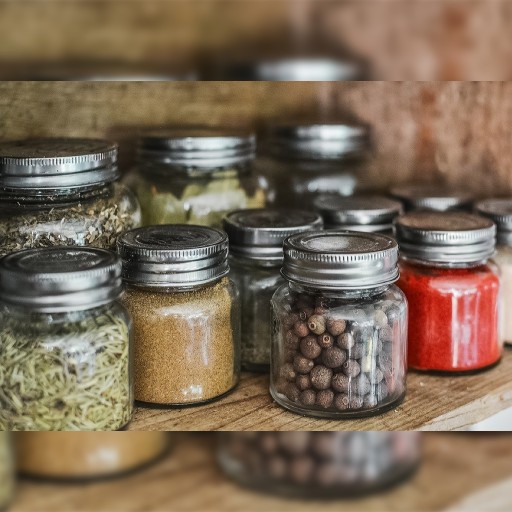
Store spices in a cool, dry place using airtight containers. Avoid placing them directly above or near the stove, as the heat and steam there accelerate deterioration. Opt for a dry spot away from direct sunlight, such as a pantry or a dark kitchen drawer. If using glass jars, choose dark-colored ones to shield spices from light exposure. Ensure lids are tightly sealed to minimize air contact.
2. High Heat and Humidity
Spices are like delicate flowers—they cannot thrive in extreme conditions. Excessive heat and humidity will sap their vitality. While placing spices near the stove may seem convenient, it's actually one of the worst practices. Exposure to stove heat or kitchen humidity accelerates their deterioration.
Over time, essential oils evaporate, significantly diminishing the spice's aroma. Consider your favorite herbs—basil, oregano, or thyme. When exposed to heat and humidity, they lose their natural oils, causing their once-vibrant, fresh green fragrance to fade and become dull, with a noticeable decline in flavor.
But it's not just the stove you need to worry about. High humidity in the kitchen, especially in poorly ventilated areas or spaces dampened by boiling water and steam, is also an invisible threat to spices.
Moisture in the air can cause spices to clump, lose texture, or absorb excess water, becoming soggy and losing their aroma. To protect spices, store them in a dry, cool place. A pantry or cabinet away from the stove and dishwasher is ideal.
If you live in a particularly humid climate, consider purchasing desiccant packets or silica gel dryers. These prevent spices from absorbing moisture, which is especially crucial for dried herbs and powdered spices.
3. Shelf Life and Freshness
Spices don't last forever, yet many people continue using them long after their best-by date. You might have a jar of cinnamon that's been sitting in your cabinet for years, or some cumin inherited from a former roommate. But just because spices show no visible mold doesn't mean they're still safe to eat.
A spice's shelf life depends on whether it's whole or ground. Whole spices like cinnamon sticks, nutmeg, or peppercorns last longer than ground versions. The essential oils that give them their rich flavor remain intact longer in whole spices.
Ground spices, however, lose their aroma much faster. You may find that after six months to a year, they taste significantly less potent than when fresh.
The most obvious signs that spices have gone bad are faded color, loss of fragrance, and a bland, flat taste. If you open a jar of turmeric powder and smell cardboard instead of its characteristic earthy, mustard-like aroma, it's time to discard it. To extend the shelf life of spices, rotate your inventory regularly.
For less frequently used spices, buy in smaller quantities and note the expiration date at purchase. Whole spices typically keep for three years, while ground spices are best used within one to two years.
4. Impact of Spice Jars and Containers
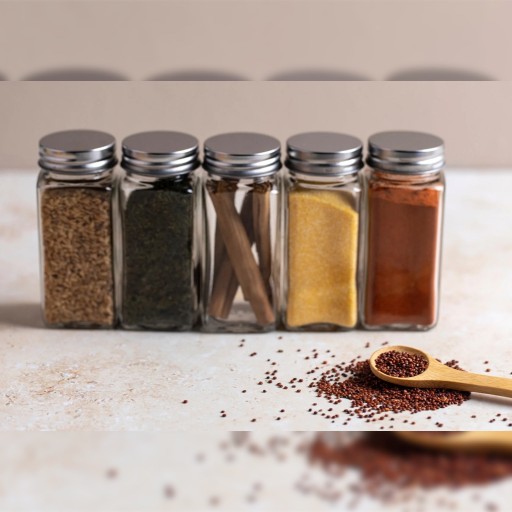
Regarding storage containers, both the vessel and location matter. Transparent glass jars or plastic containers allow light to penetrate, causing spices to deteriorate. However, another often overlooked factor is material. Ideal spice storage containers should be made of glass, metal, or ceramic, with a tight seal and light-proof properties.
Plastic containers, while seemingly convenient, readily absorb odors and moisture, compromising the spices' flavor. Additionally, their poor sealing properties accelerate deterioration. Opt for jars with airtight lids to preserve freshness. When purchasing spices in bulk, transfer them into smaller, sealed containers upon returning home.
Spice jars with magnetic lids offer both convenient storage and light protection; always ensure containers remain tightly sealed during use.
5. Overstocking
Spice shopping often tempts impulse buys—especially with the constant influx of exotic blends and novelty products. But quantity doesn't equate to quality. Buying too much at once risks stockpiling unused spices for months or even years. The downside? Spice freshness diminishes over time.
The longer they sit, the weaker their flavor becomes. Ultimately, you may end up hoarding expired spices that not only fail to enhance your dishes but also clutter your space. Avoid bulk stockpiling; instead, opt for smaller packages that can be used within a reasonable timeframe.
This preserves freshness and prevents wasting money on dust-collecting jars. Remember to store spices in airtight containers to ensure they remain in peak condition until use.
 1
1 1
1OTHER NEWS
-
- Should you Choose a Real Estate Agent When Buying a Home?
- By Wendy 24 Apr,2023

-
- Credit card points and rewards seem cost-effective, but they actually hide these traps
- By ZXY 01 Sep,2025

-
- How do I Choose Between Selling my Home and Renting it out?
- By Wendy 24 Apr,2023

-
- Do small businesses really need tax services? When can they file their own taxes?
- By YCY 27 Jan,2026

-
- Mobile phone is the bank: one-click account opening, one-click financial management, digital financial life is coming
- By ZH 24 Jul,2025

-
- Is German manufacturing losing its edge? The latest casualty of the US-China strategic rivalry
- By ZXY 29 Jul,2025

-
- Gold surges to a new all-time high—what are investors afraid of?
- By ZXY 29 Jul,2025

-
- How to Avoid Being Scammed by Credit Card Fraud!
- By Wendy 24 Apr,2023

-
- Can the AI sector continue to drive the tech stock rally?
- By ZXY 30 Jul,2025

-
- Global manufacturing is slowing down in tandem. When will deflation strike?
- By ZXY 01 Aug,2025

-
- How much longer can the eurozone hold out? The ECB has reached the end of its rate hike cycle
- By ZXY 01 Aug,2025

-
- What does the upgraded regulation of digital currencies mean to investors?
- By ZH 25 Jul,2025