Want stronger bones? Here's what you need to do!
You probably rarely think about your bones. Hidden beneath your skin, they silently support your body, enabling you to move freely and protecting your organs day after day. Whether you're walking, running, stretching, carrying groceries, or dancing—your bones quietly fulfill their duties. Until one day, they stop obeying.
Perhaps it's sudden back pain, a wrist that won't heal after a fall, or a doctor telling you your bone density isn't what it used to be. Only then do you realize—your bones aren't indestructible. They need care, just like your heart, muscles, or skin.
In fact, most people only start paying attention to their bones when something goes wrong. You might assume strong bones are reserved for the elderly, or that drinking milk alone suffices. But bones are living tissue—constantly growing, repairing, and changing throughout your life.
The strength of your bones tomorrow depends on your actions today. Whether you're 20 or 60, it's never too early or too late to start building strong bones.
Exercise is your bones' best friend
You've likely heard exercise benefits your heart, mood, and weight—but it's equally vital for your bones. Though they may seem sturdy, bones are living tissue that constantly responds to the demands you place on them. When you exercise, especially through weight-bearing or resistance training, your bones adapt by becoming stronger and denser.
It's like giving them a reason to build resilience. Think of your bones as a savings account. Each workout is a deposit of strength. The more strength you deposit when you're young, the more you'll have to draw on as you age.
But even if you're older, it's never too late to start exercising—your bones will still respond positively. The best types of exercise for building and maintaining bone strength are weight-bearing and resistance training. Weight-bearing activities include walking, jogging, dancing, climbing stairs, even gardening—any movement that keeps your body upright while resisting gravity.
Resistance training, such as lifting weights or using resistance bands, applies targeted pressure to bones and muscles, encouraging them to grow stronger together. You don't need to become a gym enthusiast. Consistent, regular exercise can make a significant difference.
A 30-minute brisk walk, doing a few squats while brushing your teeth, or light dumbbell exercises while watching TV—these all add up. The key is consistency. Your bones need a steady stream of mild challenges, not occasional intense bursts.

Diet Supports Bone Development
You can't build a sturdy house without quality materials—the same goes for bones. They require specific nutrients to maintain density and health. While calcium often gets the spotlight, a whole suite of nutrients works behind the scenes to keep bones strong. Calcium is the primary mineral responsible for bone strength.
The human body cannot synthesize calcium, so it must be obtained from food. Dairy products like milk, yogurt, and cheese are classic calcium sources, but they're not the only options. You can also get calcium from leafy greens (such as kale, bok choy, and broccoli), tofu, almonds, sesame seeds, and calcium-fortified foods (like plant-based milks or cereals).
However, many overlook a crucial fact: even if you consume sufficient calcium, it's useless if your body can't absorb it effectively—and this is where vitamin D comes into play. Vitamin D acts like a gatekeeper, helping the body efficiently absorb calcium. Without it, all that calcium would simply be excreted without serving its purpose.
The best source of vitamin D is sunlight—spending 15 to 20 minutes in natural light a few times a week can yield significant benefits. You can also obtain vitamin D from fatty fish like salmon or tuna, egg yolks, or supplements when advised by a doctor.
Another underrated hero is magnesium. It helps balance calcium levels and supports bone tissue structure. You can find magnesium in foods like nuts, whole grains, legumes, and leafy greens. Additionally, vitamin K—found in spinach, kale, and broccoli—helps bind calcium to the bone matrix.
Zinc and phosphorus also play supporting roles in maintaining bone strength. Don't overlook protein—it's the building block for bone minerals. Insufficient protein intake, especially as you age, can lead to brittle bones. Opt for lean protein sources like eggs, fish, chicken, tofu, beans, or Greek yogurt.
Habits That Weaken Bones
Even if you exercise regularly and eat healthily, certain habits can quietly undermine your efforts. First: excessive caffeine and carbonated drinks. While a morning coffee is fine, drinking cup after cup or relying heavily on caffeinated sodas can impair calcium absorption. Many sodas also contain phosphoric acid, and excessive phosphoric acid intake can cause calcium loss from bones.
Next is excessive salt intake. High sodium consumption causes the body to lose calcium through urine. If you enjoy salty snacks or fast food, this may be affecting your bone health more severely than you realize. Reducing processed foods and using herbs instead of salt for seasoning can make a big difference.
Another significant factor is alcohol and tobacco use. Heavy drinking interferes with vitamin D metabolism and slows bone cell production. Smoking restricts blood flow to bones and lowers estrogen levels in women—both accelerating bone loss.
Stress also plays a subtle yet significant role. Chronic stress elevates cortisol levels, a hormone that weakens bones over time. This is why finding relaxation methods—whether yoga, deep breathing, or even a simple walk—benefits not only your mental well-being but your bones as well.
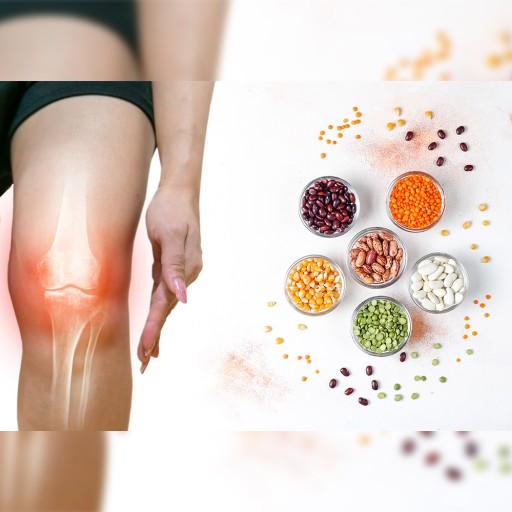
Posture, Balance, and Daily Activity
When it comes to bone health, posture and balance might not be the first things that come to mind, but they are crucial. Good posture keeps bones aligned and evenly distributes weight and pressure across bones and joints.
Poor posture—like slouching at a desk or looking down at your phone—places uneven stress on the spine, increasing the risk of back pain and even vertebral fractures over time. You can improve posture through simple habits: sit up straight, gently roll shoulders back, keep screens at eye level, and avoid prolonged static positions.
Spending a few minutes daily on stretching or yoga also strengthens muscles supporting the spine and hips, reducing unnecessary stress on bones. Balance training is another effective yet often overlooked way to protect your bones.
As we age, falls become one of the biggest threats to bone health, especially for hips and wrists. Activities like Tai Chi, gentle yoga, or even standing on one leg for a minute while brushing your teeth can improve your stability and coordination.
These small exercises may sound simple, but they play a huge role in preventing fractures. Everyday activities—bending over, reaching, lifting—offer opportunities to train your body to stay balanced and strong. Your bones and muscles work together like partners; when one gets stronger, the other benefits too. You don't need expensive equipment—just awareness and consistency.
 1
1 1
1OTHER NEWS
-
- Should you Choose a Real Estate Agent When Buying a Home?
- By Wendy 24 Apr,2023

-
- Credit card points and rewards seem cost-effective, but they actually hide these traps
- By ZXY 01 Sep,2025

-
- How do I Choose Between Selling my Home and Renting it out?
- By Wendy 24 Apr,2023

-
- Do small businesses really need tax services? When can they file their own taxes?
- By YCY 27 Jan,2026

-
- Mobile phone is the bank: one-click account opening, one-click financial management, digital financial life is coming
- By ZH 24 Jul,2025

-
- Is German manufacturing losing its edge? The latest casualty of the US-China strategic rivalry
- By ZXY 29 Jul,2025

-
- Gold surges to a new all-time high—what are investors afraid of?
- By ZXY 29 Jul,2025

-
- How to Avoid Being Scammed by Credit Card Fraud!
- By Wendy 24 Apr,2023

-
- Can the AI sector continue to drive the tech stock rally?
- By ZXY 30 Jul,2025

-
- Global manufacturing is slowing down in tandem. When will deflation strike?
- By ZXY 01 Aug,2025
-
- How much longer can the eurozone hold out? The ECB has reached the end of its rate hike cycle
- By ZXY 01 Aug,2025

-
- What does the upgraded regulation of digital currencies mean to investors?
- By ZH 25 Jul,2025