The Difference Between Watering at Night and Watering in the Morning
You may have encountered this situation before: After a busy day, you finally remember your plants need watering. You grab the watering can, step out into the quiet night, and give your flowers and vegetables a generous dousing.
The night feels serene, the soil thirstily absorbs the moisture, and you tell yourself this is a good thing. But the next morning, when you check again, you notice something odd—the leaves look droopy, maybe even spotty, and the soil feels soggy instead of fresh. Then you start wondering: Would watering in the morning make a difference?
Almost every gardener has asked this question—is watering at night bad for plants? Or is morning watering really much better? You'll find the answer lies in understanding how plants breathe, absorb water, and rest—just like us humans.
Because watering isn't just about providing moisture; it's about timing, rhythm, and balance. Once you grasp the difference between nighttime and morning watering, you'll see how this simple habit can transform your garden's health and beauty.
Morning watering helps plants wake up refreshed
Imagine how you feel after a good night's sleep—stretching, taking a deep breath, then sipping that first glass of water or coffee to fully awaken your body. When you water your plants in the morning, they experience something similar. As the sun rises and the air remains cool, your garden is just waking up.
Roots are primed to absorb nutrients, leaves begin unfurling, and the day's photosynthesis—the process by which plants make food—is about to begin. This is the most crucial time for water. Watering in the early morning, typically between 5 and 9 a.m., allows the soil time to absorb moisture before the sun becomes too intense.
Roots fully absorb the water, while leaves have a chance to dry naturally as the weather warms. This helps prevent one of the most common plant problems—fungal diseases. If you notice powdery white spots, black dots, or fuzzy patches on leaves, it's often because water lingered on them too long.
Morning watering avoids this, as the rising sun gently and safely evaporates excess moisture.
Another reason morning watering works well is temperature. Cooler morning air means less evaporation, so more of your water actually reaches the roots instead of disappearing into the air. You can use less water but achieve better results—a win-win for both your plants and your water bill.
Plus, when plants start the day well-hydrated, they're better equipped to withstand the heat that follows. Morning watering also helps maintain balance within the plant's internal systems. When plants receive moisture early, their cells stay firm and vibrant throughout the day.
Without water, plants may temporarily experience drought stress, especially in summer. You might see wilting at midday, but this doesn't always mean they need more water—it often indicates they weren't adequately prepared at the start of the day. Watering in the morning helps plants build strength from the roots up.
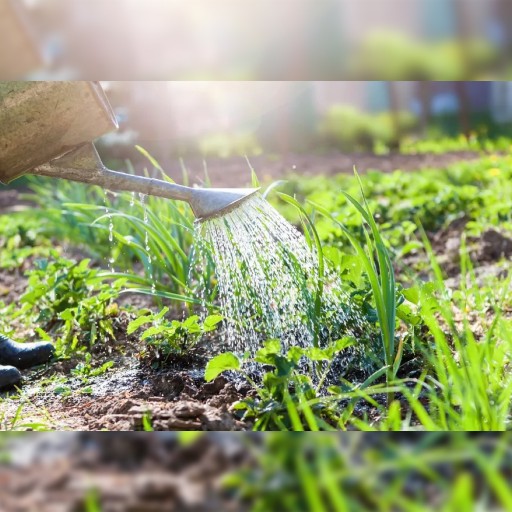
The Convenience and Consequences of Nighttime Watering
Now let's shift scenes. The day has ended. The sun has set, temperatures have cooled, and it finally feels comfortable enough to step outside. You grab your hose or watering can and begin tending to your garden under the soft glow of your porch light.
When watering at night, soil stays moist longer because there's no sunlight to evaporate excess moisture. This might sound appealing—after all, plants need water, right?—but lingering moisture is a silent trouble-maker.
When the ground stays damp overnight, it creates the perfect environment for fungi, mold, and bacteria to thrive. These invisible invaders attack plant roots and leaves, causing diseases like root rot or leaf spot. Think of your plants like wet clothes. If you hang clothes outside on a sunny morning, they dry quickly and smell fresh.
But if you leave them in a damp spot overnight, they stay wet and start to smell musty. Watering plants at night does the same thing. Water sits on leaves, seeps deep into cool soil, and suffocates roots, which need air and water to stay healthy.
Another issue with nighttime watering is temperature shock. Pouring cold water on roots when the soil surface is still warm from daytime heat stresses them. Like humans, plants dislike sudden temperature changes. This shock slows nutrient absorption and weakens their natural defenses.
Over time, you might notice signs—yellowing leaves, stunted growth, and a dull, lackluster overall appearance. Of course, sometimes nighttime watering is the only option—perhaps you're too busy in the morning, or even the early hours feel unbearably hot.
If that's the case, there are safer ways to do it. Avoid wetting the foliage; instead, focus on watering the soil around the roots. Use a drip irrigation system or a soaker hose to deliver water slowly and deeply without splashing the leaves. Aim to water before sunset, when there's still some light, so the topsoil has time to dry before nightfall.
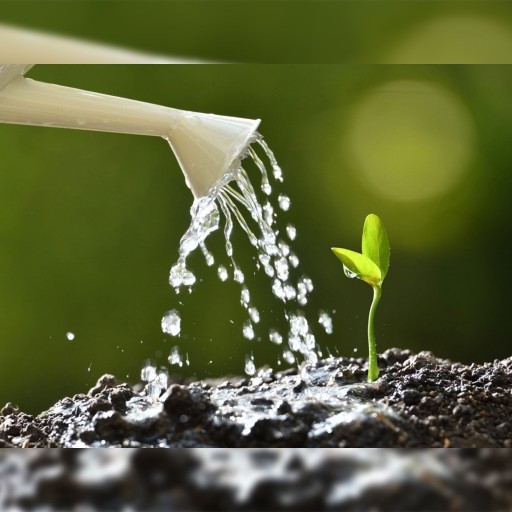
The Science Behind the Timing
To truly grasp the difference between morning and evening watering, understanding plant activity during these periods helps. During the day, plants are highly active. They open tiny pores (called stomata) to absorb carbon dioxide and release oxygen. This process—photosynthesis—relies on sunlight and water.
Morning watering essentially fuels this process, providing plants with the nutrients needed to convert sunlight into energy. However, by evening, plant activity slows. Their stomata close to conserve moisture, focusing on internal processes like respiration—a “rest” mode.
If you water too much during this period, plants cannot utilize the water efficiently. Moisture remains trapped in the soil, saturating it and depriving roots of oxygen. This is why overwatering at night is especially dangerous; the plant's metabolism isn't prepared to handle this excess water, leading to stunted growth and rot.
Temperature also plays a crucial role. In the morning, the ground and air are cool but not cold, which helps water flow slowly and evenly through the soil. In contrast, nighttime temperatures often drop sharply, especially in humid or rainy climates.
Cool, damp conditions trap moisture around roots and foliage, creating breeding grounds for mold and pests. You might not notice it immediately, but over time, these environments can trigger issues like aphids, fungus gnats, and mildew—all of which thrive in dark, damp conditions.
Special Circumstances
That said, gardening isn't one-size-fits-all, and every rule has exceptions. In extremely hot or arid regions where morning temperatures soar above 30°C by sunrise, nighttime watering may be more practical. In such cases, watering at night helps minimize evaporation and allows the soil ample time to absorb moisture before the next day's heatwave.
The key lies in moderation and technique. If you live in such climates, try watering immediately after sunset rather than late at night. This timing allows your plants several hours to absorb water before complete darkness sets in. Use a slow, deep watering method, focusing on the soil rather than the foliage.
Mulch also helps—covering the soil with straw, wood chips, or compost retains moisture longer without leaving roots soaked overnight.
Potted plants can also benefit from light nighttime watering, especially in dry or windy conditions where soil dries out quickly. Just ensure pots drain well and avoid leaving water in the saucer beneath. It's all about preventing waterlogging.
So while morning watering is ideal for most gardens, nighttime watering isn't entirely off-limits—as long as you adapt your approach based on local climate, soil type, and plant species. Understanding your environment matters just as much as following general rules.
 1
1 1
1OTHER NEWS
-
- Trump reignites tariff war, global supply chains face another shakeup
- By ZXY 28 Jul,2025

-
- Should you Choose a Real Estate Agent When Buying a Home?
- By Wendy 24 Apr,2023

-
- How much longer can the eurozone hold out? The ECB has reached the end of its rate hike cycle
- By ZXY 01 Aug,2025

-
- How much longer can the seven tech giants of the US stock market withstand high interest rates?
- By ZXY 28 Jul,2025

-
- Real Estate Investment Needs to be Careful!
- By Little Grapes 24 Apr,2023

-
- Yield Curve Inversion Resurfaces: Is There Still Hope for a Soft Landing in the U.S. Economy?
- By ZXY 31 Jul,2025

-
- With China's exports declining, is the global consumption chain beginning to break?
- By ZXY 31 Jul,2025

-
- Credit card points and rewards seem cost-effective, but they actually hide these traps
- By ZXY 01 Sep,2025

-
- "Buy Now, Pay Later" is changing the consumer finance landscape: a payment revolution spreading around the world
- By ZH 25 Jul,2025

-
- How to Effectively Manage Debt: Strategies for Balancing Payments and Savings
- By YCY 07 Jan,2026

-
- Why Do Most People Overlook “Cash Flow Risk”?
- By ZXY 11 Oct,2025

-
- Do small businesses really need tax services? When can they file their own taxes?
- By YCY 27 Jan,2026