Using the wrong horticultural fertilizers can cause plants to prematurely age
Walking into the garden at dawn, you notice the once-vibrant plants seem to have lost their former vitality? Leaves that once danced gracefully in the sunlight now droop listlessly, flowers appear exhausted, and their colors seem to have faded. You water them regularly, provide ample sunlight, and even fertilize them periodically.
So why do they still look so aged, as if they'd grown old overnight? Most people don't realize this: sometimes what you think is good for plants—fertilizer—can actually be harming them. Using the wrong fertilizer, or even the right one applied improperly, can accelerate plant aging.
Just as excessive vitamins harm human health, overfeeding plants with nutrients can cause them to age prematurely.
Over-Fertilizing Plants
In front of a row of fertilizer bottles at the store, labels promise “faster growth,” “more abundant blooms,” and “lush foliage.” So you head home, generously fertilize your plants, and expect them to thrive. But days later, you start noticing yellowing leaf edges, drooping stems, or even yellow spots.
What went wrong? The reality is this—plants are a lot like people. They don't need a feast; they need balance. Fertilizer is their food, but just as overeating stresses the human body, over-fertilizing stresses plants.
When too much fertilizer, especially chemical fertilizer, builds up in the soil, salt concentrations around the roots increase. This causes what's known as “fertilizer burn.” The roots try to absorb water, but the high salt levels instead draw water out of the roots, dehydrating the plant from the inside. Leaves wilt, growth slows, and soon the plant appears older than its years.
Another hazard of over-fertilization is forcing plants to grow too quickly. At first glance, this seems positive—new leaves and elongated stems appear—but this growth is fragile. Plant tissues become weak, stems cannot support the extra weight, and roots fail to meet the heightened demand for nutrients.
Essentially, the plant exhausts itself prematurely. It's like making an untrained person sprint; they might start strong but quickly collapse. To avoid this, always follow the “less is more” principle when fertilizing. Use the recommended amount on the label—or even slightly less. It's better to fertilize small amounts regularly than to apply a heavy dose all at once.
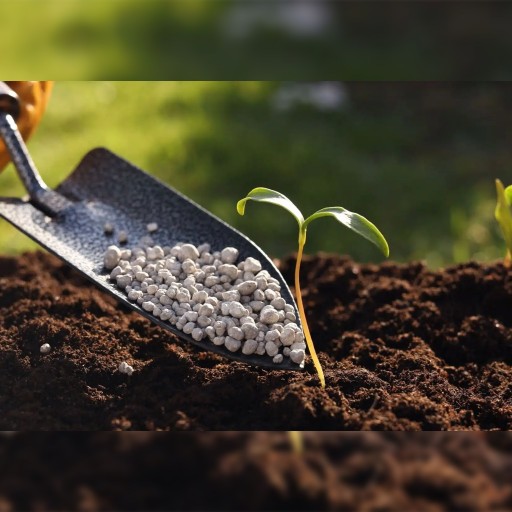
The Hidden Dangers of Improper Fertilization
Different plants have different nutritional needs. For instance, flowering plants require more phosphorus (the “P” in the NPK ratio on fertilizer labels) to support blooming. Conversely, foliage plants need more nitrogen (“N”) to maintain lush, vibrant growth.
If you apply a phosphorus-heavy fertilizer to a leafy plant, it won't just fail to bloom—because it shouldn't be blooming—it will absorb unwanted nutrients, disrupting its internal balance. Over time, this imbalance weakens the plant's growth system and accelerates aging.
Using the wrong fertilizer also affects the soil itself. Some fertilizers make the soil too acidic or too alkaline for certain plants. For instance, blueberries thrive in acidic soil, while lavender prefers a more alkaline environment.
If you don't understand a plant's soil preference when fertilizing, the fertilizer can alter the soil's pH balance, making it harder for roots to absorb nutrients. Even with consistent fertilization, plants can begin to starve. This is a silent aging process—slow, subtle, yet devastatingly destructive over time.
So how do you address this? Always assess your plant's needs before fertilizing. Read the NPK ratio on fertilizer packaging: Nitrogen feeds leaves, phosphorus feeds flowers, and potassium feeds roots and overall growth. If unsure about a plant's nutritional needs, choose a balanced formula like 10-10-10, which provides nutrients evenly.
You can also use organic fertilizers such as compost or fish emulsion, which release nutrients slowly and naturally adjust to the plant's growth rhythm.
Wrong timing for fertilizing
Even with the right fertilizer and dosage, timing can make or break your efforts. Have you ever watered and fertilized plants just before a hot afternoon, expecting them to absorb all the nutrients? Or fertilized during dormancy, hoping for a “vigorous growth spurt”? Both scenarios can do more harm than good.
Plants, like humans, go through distinct life cycles. There are times for growth, times for dormancy, and times for flowering. If you fertilize when they aren't ready—like during winter dormancy—the fertilizer can accumulate in the soil, damaging roots.
Conversely, fertilizing during peak heat can scorch roots as the soil warms, accelerating chemical reactions beyond the plant's tolerance.
Think of fertilizing as a conversation between you and your plants. Timing is all about listening. Most plants benefit from fertilization during their growing season (typically spring and early summer) when they actively absorb nutrients to produce new leaves and flowers.
As growth slows in fall and winter, you should slow down too. Continuing to fertilize during their rest period forces them to work overtime, leading to premature aging and stress. The best times to fertilize are early morning or evening, when temperatures are cooler and roots can absorb nutrients efficiently.
Always water your plants before fertilizing—this helps prevent root burn by slightly diluting the fertilizer. Timely fertilization can significantly extend your plants' youth and vitality.

Neglecting the Soil
Even if you choose the right fertilizer, use the correct amount, and time it perfectly, all your efforts will be wasted if the soil is unhealthy. Imagine building a house on sand—no matter how beautifully decorated, it won't last. The same applies to plants. Fertilizer only works when the soil is healthy enough to support absorption.
If the soil is compacted, overly dry, or lacking in organic matter, nutrients from the fertilizer cannot effectively reach the roots. Instead, these nutrients will accumulate on the surface, forming a chemical crust that blocks air and water. Over time, roots will suffocate, accelerating plant decline.
You may notice dull leaves, slowed growth, and smaller blooms—signs that your soil is crying out for help.
The solution? Treat your soil as the heart of your garden. Before fertilizing, always loosen the topsoil, mix in organic compost, and check drainage. Compost not only improves soil structure but also provides slow-release, balanced natural nutrients.
You can also rotate crops or let the soil “rest and recuperate” between growing seasons—just as humans need recovery time, soil requires breathing space. If you notice white residue or crusting on the soil surface, flush it with plenty of water to remove excess salts. Healthy soil breathes, absorbs, and gives life—when soil reaches equilibrium, plants maintain their youthful vigor longer.
Ultimately, gardening is like nurturing friendships—it requires care, understanding, and balance. Fertilizer isn't the enemy; it's a tool. But misuse does more harm than good: over-fertilizing, choosing the wrong type, applying at the wrong time, neglecting soil health, or chasing quick fixes—these mistakes silently accelerate plant aging.
When you begin to heed your plants' natural rhythms—providing the right nutrients at the right time and in the right way—you'll witness remarkable transformations: leaves regain their luster, blooming periods extend significantly, and your garden bursts with renewed vitality. You'll come to understand: like humans, plants thrive only through consistent, attentive care.
 1
1 1
1OTHER NEWS
-
- With China's exports declining, is the global consumption chain beginning to break?
- By ZXY 31 Jul,2025

-
- What does the upgraded regulation of digital currencies mean to investors?
- By ZH 25 Jul,2025

-
- Credit card points and rewards seem cost-effective, but they actually hide these traps
- By ZXY 01 Sep,2025

-
- Who is the Primary Lender When Applying for a Home Loan? These Points are Important!
- By Little Grapes 24 Apr,2023

-
- Gold surges to a new all-time high—what are investors afraid of?
- By ZXY 29 Jul,2025

-
- Why Do Most People Overlook “Cash Flow Risk”?
- By ZXY 11 Oct,2025

-
- Mobile phone is the bank: one-click account opening, one-click financial management, digital financial life is coming
- By ZH 24 Jul,2025

-
- Watch out for the Following Credit Card Scams!
- By Wendy 24 Apr,2023

-
- How much longer can the seven tech giants of the US stock market withstand high interest rates?
- By ZXY 28 Jul,2025

-
- What do you Mean by Mortgage? What Does it Mean to Have a Mortgage?
- By Little Grapes 24 Apr,2023

-
- Fixed deposits are not as good as flexible financial management? Analysis of financial management trends in 2025
- By ZH 24 Jul,2025

-
- How to Avoid Being Scammed by Credit Card Fraud!
- By Wendy 24 Apr,2023