Eat these four foods to easily avoid weight regain!
Have you ever felt frustrated when you worked hard to lose weight, only to see the numbers on the scale bounce back after a few weeks? You counted calories, drank enough water, even went to bed early—yet somehow, the weight that seemed gone came right back.
Many people face the same cycle: lose, gain, lose, gain. The truth is, maintaining weight isn't just about eating less—it's about eating smarter. Sometimes, the foods you choose can help your body stay balanced or send it spiraling back up.
The good news is, you don't have to give up delicious foods or stick to bland salads. Simply learn to eat four everyday foods the right way to help stabilize your body, improve your metabolism, and finally break free from the endless struggle of losing weight only to gain it back. Let's dive into how small, smart choices can make a big difference.
1. Eggs
Sunlight streams through the curtains into your kitchen as you stand there contemplating breakfast. What you eat right now will influence how your body digests food all day long. Most people reach for toast, cereal, or a cup of coffee—quick and convenient, but often loaded with sugar or simple carbs.
This is where the humble egg comes into play—it packs a powerful punch that's often underestimated. Eggs are packed with protein, which takes longer to digest than carbohydrates. This means they keep you feeling full for hours and reduce the temptation to mindlessly snack later in the day.
When you eat a protein-rich breakfast, your body maintains stable blood sugar levels from the start, avoiding that mid-morning energy crash around 10 a.m. and curbing cravings for sweets or snacks. But the trick lies not just in eating eggs, but how you prepare them.
Cook eggs with minimal oil—boiling, poaching, or steaming are excellent choices. If you're scrambling eggs, use less butter or opt for olive oil. Most importantly, pair eggs with fiber-rich foods. Add some spinach, tomatoes, or even avocado slices.
Dietary fiber helps slow digestion further, while the healthy fats in avocado support metabolism. This combo provides sustained energy and helps your body maintain stable insulin levels—a key factor in preventing weight regain.

2. Oats
When it comes to dieting, carbohydrates often get a bad rap. People fear them, avoid them, or replace them with strange substitutes. But not all carbs are created equal. The key isn't eliminating carbs, but choosing the right ones. Oats are one of those rare golden foods that truly work with your body, not against it.
A bowl of warm oatmeal—comforting, satisfying, and simple. Eating oats isn't just about filling your stomach; it's about fueling your body with slow-release energy that keeps you steady all day. Unlike white bread or sugary cereals, oats are a low-glycemic index complex carbohydrate. This means they don't cause sudden spikes and crashes in blood sugar. Instead, they release energy slowly, keeping you full and steady.
But oats' real magic lies in their fiber—especially a type called beta-glucan. This fiber not only aids digestion but also binds to cholesterol, helping to flush it out of your system. It slows the absorption of fats and sugars, keeps your metabolism steady, and reduces your body's tendency to store excess calories as fat.
When your digestive system is working efficiently, your body is less likely to go into “starvation” or “storage” mode—patterns that often lead to weight regain after dieting. How you prepare oats matters too.
Avoid instant packets loaded with sugar and artificial flavors. Instead, choose rolled oats or steel-cut oats. Cook them in water or milk, then top with natural ingredients like fresh fruit, nuts, or a drizzle of honey. For added protein, stir in a scoop of Greek yogurt or a hard-boiled egg. This balances your meal, providing steady energy without blood sugar spikes.
3. Leafy Greens
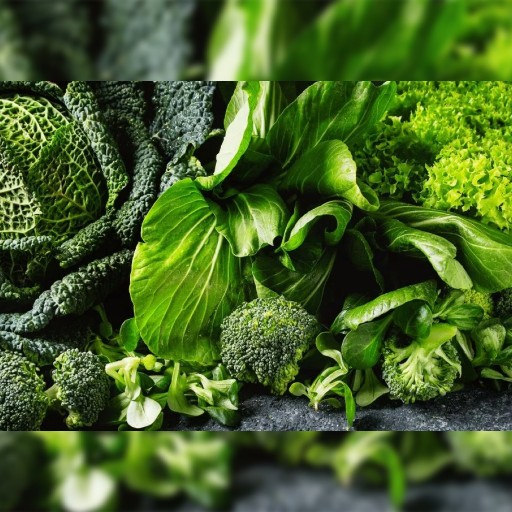
Leafy greens—they might not sound as exciting as other foods, but they play a crucial role in preventing weight regain. Think of them as your body's “reset button.” They balance your digestive system, support your metabolism, and help your body flush out excess sodium and toxins—the very things that make you feel bloated and weigh more than you actually do.
You've probably heard people say, “Eat your greens!” . But what does that actually mean for you? It means filling half your plate with vegetables like spinach, kale, broccoli, cabbage, bok choy, or green beans. These veggies are low in calories but packed with fiber, water, and essential nutrients.
When you load up on them, you naturally reduce the amount of high-calorie foods on your plate without feeling hungry or deprived.
Fiber is the secret weapon here. It slows digestion, keeping you full longer and stabilizing blood sugar. Stable blood sugar means fewer energy crashes and fewer cravings for sweets or fried snacks. Plus, dietary fiber improves gut health by nourishing beneficial bacteria in your intestines—and a healthy gut directly impacts how efficiently your body burns calories.
Recent studies even suggest that people with balanced gut microbiomes are more likely to maintain weight loss after dieting. How can you make greens a natural part of your daily diet without forcing yourself to eat salads all day? The trick lies in variety and flavor.
Sauté greens with garlic and olive oil, stir them into soups, or add them to omelets. Steaming or roasting them gently preserves their crisp texture. You can even blend spinach into smoothies—the flavor becomes almost undetectable, yet the nutrients remain intact. The goal is to make greens a natural part of every meal, not a chore.
4. Yogurt
If any food deserves a place throughout your weight management journey, it's yogurt. It seems simple—just a cup of creamy goodness—but its probiotics can transform how your body processes food. When your gut is healthy, metabolism runs smoothly, appetite naturally decreases, and even mood improves.
But when gut bacteria become imbalanced—often from poor diet, stress, or lack of sleep—digestion slows down, and your body starts storing more fat, even with reduced intake. The probiotics in yogurt help restore this balance.
They nourish beneficial bacteria in the gut, promoting more efficient digestion and nutrient absorption. A healthy gut means less bloating, improved nutrient uptake, and a stronger immune system—all crucial for long-term weight management. Yogurt is also packed with protein for satiety and calcium to support fat metabolism.
However, not all yogurts are created equal. Many store-bought varieties are loaded with added sugars and flavorings that negate their health benefits. The ideal choice is plain, unsweetened yogurt—preferably Greek-style or naturally fermented.
Flavor it yourself with fresh fruit, a touch of honey, or cinnamon. Add chia seeds or oats for texture, or blend it into smoothies as a creamy base. The key is to enjoy the taste without extra calories. Enjoy a small bowl of yogurt after lunch or as an afternoon snack. It not only curbs hunger but also aids in post-meal digestion regulation.
With consistent long-term use, you'll notice reduced bloating, more stable energy levels, and an overall lighter feeling. When your gut is in good condition, your entire body functions better—this is the powerful, silent work of probiotics.
 1
1 1
1OTHER NEWS
-
- With China's exports declining, is the global consumption chain beginning to break?
- By ZXY 31 Jul,2025

-
- What does the upgraded regulation of digital currencies mean to investors?
- By ZH 25 Jul,2025

-
- Credit card points and rewards seem cost-effective, but they actually hide these traps
- By ZXY 01 Sep,2025

-
- Who is the Primary Lender When Applying for a Home Loan? These Points are Important!
- By Little Grapes 24 Apr,2023

-
- Gold surges to a new all-time high—what are investors afraid of?
- By ZXY 29 Jul,2025

-
- Why Do Most People Overlook “Cash Flow Risk”?
- By ZXY 11 Oct,2025

-
- Mobile phone is the bank: one-click account opening, one-click financial management, digital financial life is coming
- By ZH 24 Jul,2025

-
- Watch out for the Following Credit Card Scams!
- By Wendy 24 Apr,2023

-
- How much longer can the seven tech giants of the US stock market withstand high interest rates?
- By ZXY 28 Jul,2025

-
- What do you Mean by Mortgage? What Does it Mean to Have a Mortgage?
- By Little Grapes 24 Apr,2023

-
- Fixed deposits are not as good as flexible financial management? Analysis of financial management trends in 2025
- By ZH 24 Jul,2025

-
- How to Avoid Being Scammed by Credit Card Fraud!
- By Wendy 24 Apr,2023