Winter Car Maintenance Tips
When winter arrives, the air grows crisp, mornings turn chilly, windshields fog up more easily, batteries struggle to start, and roads seem perpetually at war with ice and snow. Winter isn't just harsh on people—it's equally brutal on cars.
To navigate this season safely and smoothly, your vehicle needs just as much care as your winter gear. Cold weather impacts every aspect of your car, from the battery to the tires to the oil. As temperatures drop, chemical reactions inside the battery slow down, engine oil thickens, tires lose pressure, and even windshield wipers can freeze.
Without proper preparation, this can lead to wear and tear, reduced efficiency, or even damage. But with a few tricks up your sleeve, you can transform your car from a stubborn machine into a reliable companion, effortlessly navigating the cold season.
The Importance of Battery Maintenance
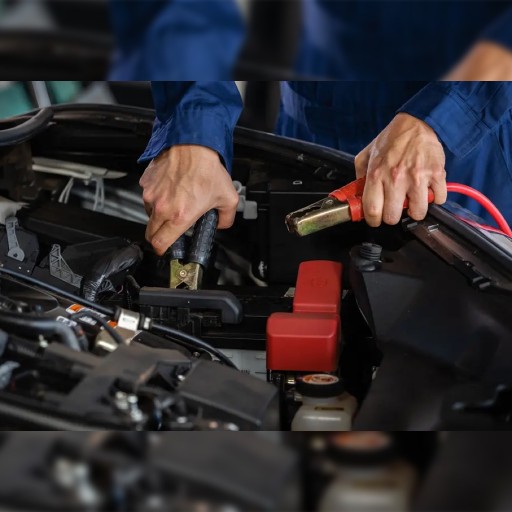
Your car battery is like its heart—when it's strong, your vehicle starts smoothly, and everything feels effortless. But in winter, this heart has to work overtime. When temperatures drop below freezing, a typical car battery loses about 35% of its power, and when it hits 0°F (-18°C), battery power can drop by over 50%!
The best way to avoid this is to test your battery before the cold truly sets in. Most auto repair shops offer free battery inspections to determine if your battery is still healthy or nearing the end of its life. If your battery is over three years old, consider proactively replacing it.
Cleaning the battery terminals is also crucial. Corrosion (sometimes visible as a white, hard crust) impedes electrical flow. Simply disconnect the cables (disconnect the negative terminal first, then the positive), then gently scrub the terminals with a brush and a small amount of baking soda solution.
After thoroughly drying them, reconnect and you're good to go. If you park your car outdoors overnight, consider purchasing a battery blanket—a small electric blanket that keeps the battery sufficiently warm even in sub-zero temperatures, ensuring it operates efficiently.
Winter Coat for Your Engine
In summer, your car's oil flows as smoothly as water. But when temperatures drop, oil thickens and moves slowly. This makes starting the engine harder and prevents lubrication from reaching all necessary parts quickly.
Over time, this strain wears down the engine—something you absolutely want to avoid. Before winter arrives, check your oil level and consider switching to a lower-viscosity oil if your car manual permits. Viscosity refers to thickness; in winter, you need oil that flows freely.
Many vehicles use “multigrade” oils like 5W-30, where “5W” indicates suitability for winter use. The “W” actually stands for “winter,” not “weight” as many assume. You should also replace your oil filter regularly. A clogged filter restricts oil flow, making cold starts as difficult as navigating through molasses.
No matter how cold it gets, timely oil changes remain one of the simplest, most cost-effective ways to keep your vehicle running smoothly.
Your Only Point of Contact with the Road
Tires are like your car's “shoes”—they need seasonal adjustments. Just as you wouldn't trek through snow in summer sandals, your car shouldn't rely on summer tires when roads are icy or wet. Cold air hardens rubber, reducing traction. Additionally, tire pressure drops by about 1 psi for every 10°F decrease in temperature.
This means if summer temperatures were 80°F and it's now 3°F, your tires could be running 5 psi below normal pressure—enough to affect traction and fuel efficiency. Check tire pressure regularly, especially on the coldest mornings.
Most gas stations offer free air pumps, and your car manual or the label on the driver's door frame will list recommended tire pressures. Winter tires are made with softer rubber and deeper treads, providing superior grip on snowy and icy roads.
They remain flexible in cold weather, unlike all-season tires that can stiffen and become more prone to slipping. If you live where temperatures frequently dip below freezing, winter tires aren't just practical—they're essential. Don't forget to rotate your tires.
Each tire experiences different stresses based on its position on the vehicle, and winter driving accelerates uneven wear. Rotating your tires every few thousand miles maintains even traction and extends tire life.
Liquids That Keep You Moving
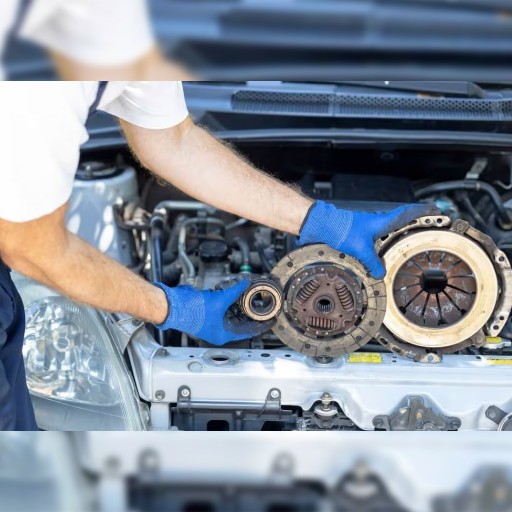
When the cold bites outside, even the fluids inside your car feel the chill. Coolant (also called antifreeze) prevents your engine from freezing or overheating. If the mixture is incorrect—typically 50% water and 50% antifreeze—your vehicle could stall unexpectedly. You can check your coolant's freezing point using a simple tester available at auto supply stores.
If it's not strong enough to withstand winter temperatures, flush it out and refill with the proper mixture. Windshield washer fluid is another often-overlooked fluid. Regular fluid can freeze in the lines or reservoir, leaving you unable to clean your windshield when you need it most.
Use a winter-specific formula designed for sub-zero temperatures. It contains antifreeze components that remain liquid even in the coldest weather. Don't forget the brake fluid either. Brake fluid is hygroscopic, meaning it absorbs moisture over time.
Excessive moisture lowers its boiling point, causing performance issues—especially during hard braking. If your brake pedal feels spongy or too soft, it may need inspection and replacement.
Wipers, Lights, and Belts
Windshield wipers may not seem like a big deal—until you're driving on a highway in a blizzard with near-zero visibility. Winter wipers feature sturdier rubber blades and sometimes even heating elements to prevent freezing. Swap your regular wipers for winter-grade ones before winter sets in.
It's also wise to inspect your lights. Winter days are short with low visibility, especially in snow or fog. Ensure your headlights, brake lights, and fog lights are clean and functioning properly. A quick wipe with a soft cloth can make a surprising difference.
Belts and hoses are also affected. Cold temperatures can make rubber brittle, leading to cracks or breaks. Open the hood for a visual inspection—if you spot any wear or hear squeaking, replace them immediately to avoid breakdowns in the middle of nowhere.
Staying Warm Inside
Comfort matters—after all, driving in a freezing car is downright miserable. Your car's heating system not only warms your feet but is also key to clearing fogged windshields. If you notice weak airflow or strange odors when using the heater, the cabin air filter or heater core may need servicing.
Also check the defroster vents to ensure they're free of dust and debris, allowing warm air to flow unobstructed toward the windshield. You'll be grateful for this when stubborn frost clings to the glass early in the morning.
While you're at it, don't forget to pack an emergency kit in the trunk. Winter driving is unpredictable, and extra preparation never hurts. Include blankets, a flashlight, jumper cables, a small shovel, an ice scraper, a first-aid kit, and non-perishable snacks. You may never need it—but if disaster strikes, you'll be glad you planned ahead.
 1
1 1
1OTHER NEWS
-
- With China's exports declining, is the global consumption chain beginning to break?
- By ZXY 31 Jul,2025

-
- What does the upgraded regulation of digital currencies mean to investors?
- By ZH 25 Jul,2025

-
- Credit card points and rewards seem cost-effective, but they actually hide these traps
- By ZXY 01 Sep,2025

-
- Who is the Primary Lender When Applying for a Home Loan? These Points are Important!
- By Little Grapes 24 Apr,2023

-
- Gold surges to a new all-time high—what are investors afraid of?
- By ZXY 29 Jul,2025

-
- Why Do Most People Overlook “Cash Flow Risk”?
- By ZXY 11 Oct,2025

-
- Mobile phone is the bank: one-click account opening, one-click financial management, digital financial life is coming
- By ZH 24 Jul,2025

-
- Watch out for the Following Credit Card Scams!
- By Wendy 24 Apr,2023

-
- How much longer can the seven tech giants of the US stock market withstand high interest rates?
- By ZXY 28 Jul,2025

-
- What do you Mean by Mortgage? What Does it Mean to Have a Mortgage?
- By Little Grapes 24 Apr,2023

-
- Fixed deposits are not as good as flexible financial management? Analysis of financial management trends in 2025
- By ZH 24 Jul,2025

-
- How to Avoid Being Scammed by Credit Card Fraud!
- By Wendy 24 Apr,2023