Savory Sweets: Breaking the Mold of Traditional Baking
There's a sacred rule for desserts: they must be sweet. Cakes should taste like sugar, cookies should melt into buttery sweetness, and anything lacking sweetness struggles to be called a dessert.
But one day, you spot some puzzling desserts on the menu—Parmesan Cheesecake with Tomato Sauce or Dark Chocolate Tart with Olive Oil and Sea Salt—and curiosity gets the better of you.
After that first bite, your mouth is both bewildered and delighted—salty, rich, with a hint of subtle sweetness. That moment marks your entry into the captivating world of savory desserts, a quiet revolution rewriting everything you thought you knew about baking.
When Sugar Meets Salt
In medieval Europe, desserts weren't solely sugar and cream—they were complex blends of honey, nuts, fruit, and even meat. Yes, meat. Cooks blended ingredients like minced pork with dried figs or dates, wrapped them in puff pastry, and baked them until golden and crisp.
These dishes weren't categorized as “sweet” or “savory” as we do today; they were simply part of the feast, designed to satisfy both palate and purse. Fast forward to today, and the concept has returned—only now, with a modern twist.
Michelin-starred chefs drizzle balsamic vinegar over strawberries, infuse maple doughnuts with bacon, and add herbs like thyme and rosemary to lemon tarts. This isn't gimmickry, but a rediscovery of balance—a dance between flavors, textures, and aromas that transforms a single bite into an unforgettable memory.
As someone who loves baking at home, you might occasionally crave something fresh—something less cloyingly sweet, more “mature.” That's where savory desserts come in, bridging the gap between main courses and sweets. Here, sugar takes a backseat while flavor complexity takes center stage.
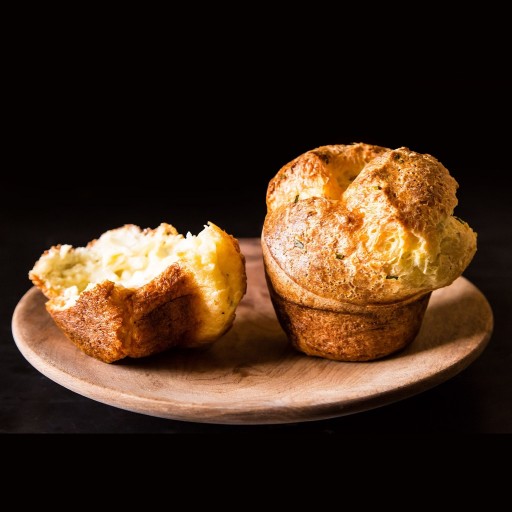
The Science Behind Savory
You might wonder why savory desserts have gained such popularity. After all, shouldn't sugar and salt be opposites? Surprisingly, your tongue doesn't see it that way. Our taste buds naturally seek harmony, not extremes. When you pair sweetness with saltiness—like caramel and sea salt—you actually deepen the flavor profile.
Salt awakens your taste buds, making sweetness rounder and more satisfying. That's why salted caramel became a global sensation. It's not just a trendy flavor; it's a study in balance. Salt doesn't compete with sugar—it elevates it.
The same science explains why a dash of soy sauce in chocolate truffles or a sprinkle of Parmesan on apple pie tastes unexpectedly delicious. Taste is also deeply tied to memory and emotion. Sweetness comforts, while saltiness grounds us. When a dessert blends both, it tells a story that feels both fresh and familiar—like nostalgia with a twist.
A Culinary Journey Around the World
If you start exploring, you'll find savory-sweet desserts rooted in culinary traditions worldwide. You may have tasted them without realizing it. Take Japan, for instance. Mochi made with sweet red bean paste is often wrapped in layers of salty pickled cherry leaves.
This interplay of salty and sweet isn't accidental—it stems from Japan's long-standing cultural appreciation for umami, the “fifth taste” that lies between saltiness and satiety.
Travel west to India, and you'll find desserts like *jalebi* served with yogurt, or *kheer* (rice pudding) infused with cardamom and saffron, enriched with nuts and ghee—creating a rich, buttery texture that borders on savory. Indian sweets are far from mere “sugar bombs,” representing a perfect marriage of spices, fats, and textures.
In France, one of the earliest documented savory desserts is *tarte flambée*, a flatbread topped with cream, onions, and bacon—strictly speaking not sweet, yet often enjoyed after meals due to its rich, savory profile.
Then there's Italy, where cheese is almost sacred. Ricotta, mascarpone, and Parmesan all find their way into desserts—yet they infuse a savory depth that renders the sweets light, complex, and deeply satisfying.
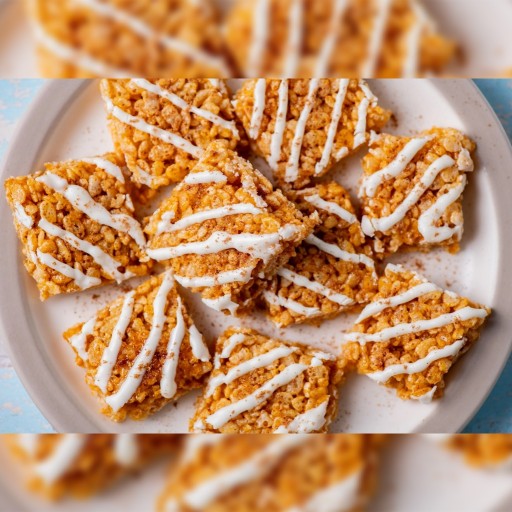
The Psychology of Taste
As we age, our appetite for ultra-sweet desserts gradually diminishes, giving way to a craving for something more nuanced—perhaps less frosting, more flavor. This isn't random; taste buds evolve over time, shaped by what we eat and experience. Savory-sweet desserts strike that perfect balance between indulgence and sophistication.
When you taste something that challenges your expectations—like basil panna cotta or chili chocolate tart—your brain lights up. Novel experiences activate your reward center, the part of the brain responsible for curiosity and pleasure.
Dessert also carries a social element. Sharing a surprise—like offering your friend a rosemary shortbread—sparks conversation. It's not just dessert; it's an experience, a story. In a world where we scroll through countless food photos, savory sweets stand out.
They make people pause and savor again. Savory desserts also bridge health and indulgence. By incorporating ingredients like vanilla, olive oil, or whole grains, these desserts often reduce reliance on excessive sugar or artificial flavors.
You still get that rich, comforting satisfaction without the dreaded post-crash. As you explore, you'll notice subtle shifts in taste preferences. Perhaps you start pairing cheese with fruit instead of jam, or swap sugary frosting for whipped mascarpone. This isn't abandoning sweetness, but redefining its boundaries.
Savory desserts transcend mere taste; they embody creativity, confidence, and the thrill of breaking unwritten rules. They remind us that cooking—and life itself—should constantly evolve. Even something “traditionally sweet” can deliver unexpected delight. The fusion of sweet and savory isn't a rebellion against sweetness, but a celebration of taste's ultimate potential.
It invites you to view food through fresh eyes, savoring it with curiosity rather than preconceptions. From the fruit-filled fillings of classic pies to modern masterpieces infused with vanilla and cheese, this trend continually pushes boundaries—and seeks balance.
When you first taste salted caramel or miso chocolate cake, you savor not just dessert, but centuries of experimentation, cultural heritage, and courage. You taste humanity's realization that pleasure can be complex, that simple sweetness alone is insufficient—true satisfaction arises from contrast.
Next time you step into a bakery or fire up your oven at home, dare to defy convention. Let sugar and salt make peace, and let your senses play freely. After all, life's most unforgettable flavors rarely follow the rules—they always challenge your palate unexpectedly, reminding you: even desserts hold infinite possibilities.
 1
1 1
1OTHER NEWS
-
- Should you Choose a Real Estate Agent When Buying a Home?
- By Wendy 24 Apr,2023

-
- Watch out for the Following Credit Card Scams!
- By Wendy 24 Apr,2023

-
- Fixed deposits are not as good as flexible financial management? Analysis of financial management trends in 2025
- By ZH 24 Jul,2025

-
- Why Do Most People Overlook “Cash Flow Risk”?
- By ZXY 11 Oct,2025

-
- Do small businesses really need tax services? When can they file their own taxes?
- By YCY 27 Jan,2026

-
- Who is the Primary Lender When Applying for a Home Loan? These Points are Important!
- By Little Grapes 24 Apr,2023

-
- Global manufacturing is slowing down in tandem. When will deflation strike?
- By ZXY 01 Aug,2025

-
- Is German manufacturing losing its edge? The latest casualty of the US-China strategic rivalry
- By ZXY 29 Jul,2025

-
- How to Avoid Being Scammed by Credit Card Fraud!
- By Wendy 24 Apr,2023

-
- Real Estate Investment Needs to be Careful!
- By Little Grapes 24 Apr,2023

-
- What does the upgraded regulation of digital currencies mean to investors?
- By ZH 25 Jul,2025

-
- How much longer can the seven tech giants of the US stock market withstand high interest rates?
- By ZXY 28 Jul,2025