10 Must-Know Car Maintenance Tips to Save You Big Money
A car is more than just a means of transportation; it's one of the most important assets in many people's lives. However, many car owners neglect daily maintenance, leading to premature aging and even repair costs far exceeding expectations.
Savvy car owners know that by performing basic maintenance and mastering a few practical techniques, they can significantly reduce costs while ensuring safety. The following 10 tips are practical ways to extend the life of your vehicle and reduce costs.
1. Change your engine oil regularly; don't take chances
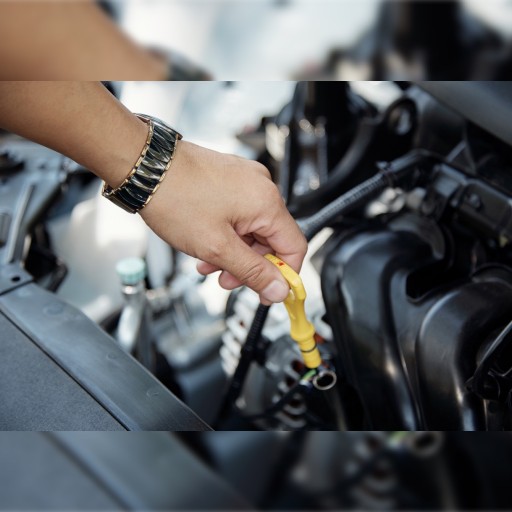
Engine oil is the "blood" of your engine, maintaining lubrication and preventing wear. Many people skip oil changes because their car isn't experiencing any issues. However, prolonged use of aged oil can lead to severe engine wear and ultimately costly repairs.
Changing your engine oil regularly according to the manufacturer's recommendations and using a high-quality oil filter are the most basic and cost-effective maintenance practices.
2. Maintain correct tire pressure
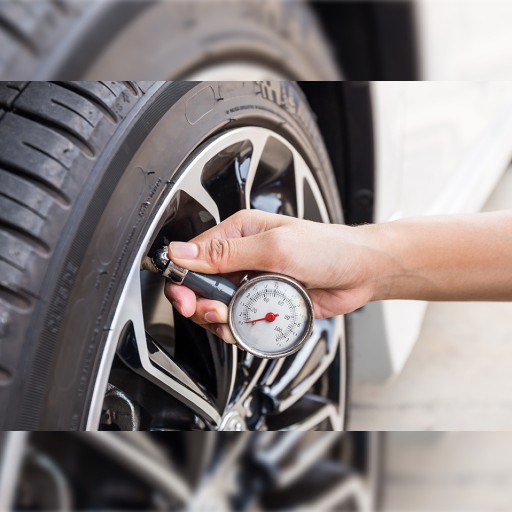
Tires are crucial to fuel efficiency and driving safety. Low tire pressure increases fuel consumption, accelerates wear, and may even lead to a blowout; high tire pressure reduces grip. Making a habit of checking tire pressure regularly not only prolongs tire life but also significantly reduces fuel costs.
Tire rotation, often overlooked by many drivers, is also crucial. It ensures even wear on all four tires and reduces the need for premature replacement.
3. Replace the air filter promptly
The air filter is like the "mask" of the engine. A dirty one affects combustion efficiency, increases fuel consumption, and even damages the engine. Many drivers overlook the problem until power drops. Regularly checking and replacing the air filter is a minimal expense and can help avoid costly engine repairs.
4. Learn to replace your windshield wipers yourself
Worn windshield wipers can leave blurry water streaks in the rain, impairing visibility. Replacing your wipers yourself is simple and inexpensive. Learning to do it yourself not only ensures driving safety but also saves on labor costs. More importantly, clear vision often prevents potential accidents, which is more cost-effective than any maintenance.
5. Pay attention to the health of your brake system
Brake pads and brake fluid are crucial to your life. Many people tend to wait until they hear a noise before replacing them, but by then, damage to the brake discs has already occurred, leading to further expenses. Check your brake system regularly.
If you notice any signs of soft braking, increased stopping distance, or unusual noise, address them promptly. Remember, brake problems shouldn't be delayed; they're a matter of both safety and your wallet.
6. Check the battery regularly
Battery failure often strikes unexpectedly. Battery performance degrades more quickly during drastic temperature fluctuations. Rather than waiting until your vehicle won't start and a tow is expensive, make it a habit to regularly check your battery and replace it if necessary. A new battery costs far less than a tow or emergency repair.
7. Don't neglect your coolant and antifreeze
An overheating or freezing engine is a common occurrence for car owners. Coolant and antifreeze may seem unnoticeable, but they're crucial for controlling engine temperature. Maintaining proper fluid levels and replacing them at the recommended intervals can prevent engine damage and reduce expensive repair bills.
8. Develop good driving habits
Your driving style directly impacts the lifespan of your car. Harsh acceleration, sudden braking, and prolonged idling can prematurely age components and increase fuel consumption. Conversely, steady driving not only prolongs your vehicle's lifespan but also significantly reduces your fuel costs.
Many people think these are minor issues, but in the long run, the savings from good driving habits are truly staggering.
9. Perform regular comprehensive inspections
Some hidden problems, such as belt deterioration, suspension wear, and exhaust system leaks, may not be immediately apparent. Regular comprehensive inspections can address minor issues before they become major repairs. Many car owners have experienced this: a minor repair missed only to cost ten times as much. Remember, prevention is always cheaper than cure.
10. Learn simple DIY maintenance tasks
Not all car maintenance requires a trip to the repair shop. Things like changing light bulbs, checking fluid levels, adding windshield washer fluid, and even replacing the air filter can all be done on your own. With a willingness to learn, you can save a significant amount on labor costs. Many instructional videos are very intuitive and can help you get started easily.
Car maintenance isn't complicated; it's often neglected due to busy schedules or a tendency to take things for granted. Mastering these 10 simple and practical tips will not only keep your car in top condition, but also significantly reduce your car's operating costs.
Rather than waiting for a major repair and incurring the heartache of a major repair, cultivate good maintenance habits now and spend your money wisely. The secret to car maintenance is simple: regular inspections, timely replacements, and careful driving. Your wallet and your car will thank you.
 1
1 1
1OTHER NEWS
-
- How do I Choose Between Selling my Home and Renting it out?
- By Wendy 24 Apr,2023

-
- High-yield stocks vs. growth stocks: Which type of investment is more resistant to risks? A game of wealth defense and offense
- By ZH 23 Jul,2025

-
- Yield Curve Inversion Resurfaces: Is There Still Hope for a Soft Landing in the U.S. Economy?
- By ZXY 31 Jul,2025

-
- With China's exports declining, is the global consumption chain beginning to break?
- By ZXY 31 Jul,2025

-
- Global manufacturing is slowing down in tandem. When will deflation strike?
- By ZXY 01 Aug,2025
-
- How to Effectively Manage Debt: Strategies for Balancing Payments and Savings
- By YCY 07 Jan,2026

-
- Trump reignites tariff war, global supply chains face another shakeup
- By ZXY 28 Jul,2025

-
- Gold surges to a new all-time high—what are investors afraid of?
- By ZXY 29 Jul,2025

-
- "Buy Now, Pay Later" is changing the consumer finance landscape: a payment revolution spreading around the world
- By ZH 25 Jul,2025

-
- Watch out for the Following Credit Card Scams!
- By Wendy 24 Apr,2023

-
- How much longer can the seven tech giants of the US stock market withstand high interest rates?
- By ZXY 28 Jul,2025

-
- Do small businesses really need tax services? When can they file their own taxes?
- By YCY 27 Jan,2026