Purple Sweet Potatoes vs. Sweet Potatoes: Which is Better for Diabetics? A Comprehensive Analysi
Purple sweet potatoes and sweet potatoes are both popular and healthy root vegetables. Not only are they sweet and nutritious, they're also often considered a good choice for weight loss and health. However, for diabetics, sweet foods require caution when choosing them.
So, which is better for diabetics, purple sweet potatoes or sweet potatoes? This article will provide a comprehensive analysis based on nutritional content, glycemic index, dietary fiber, and health benefits.
1. Nutritional Comparison of Purple Sweet Potatoes and Sweet Potatoes
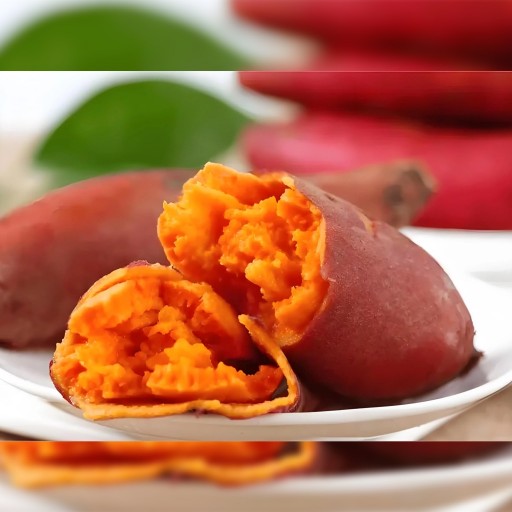
Purple sweet potatoes and sweet potatoes belong to the same family of sweet potatoes, but their nutritional profiles differ somewhat. Sweet potatoes are mostly orange-yellow in color and are rich in beta-carotene, dietary fiber, and starch. Purple sweet potatoes, on the other hand, are dark purple due to their natural anthocyanins and are also rich in antioxidants and trace elements.
Energy and Starch Content
Generally speaking, 100 grams of sweet potatoes contain approximately 86 calories and 20 grams of carbohydrates. Purple sweet potatoes have slightly lower calories, around 80 calories and 19 grams of carbohydrates. While both are high-carb foods, purple sweet potatoes contain some resistant starch, which is less likely to be converted into blood sugar quickly.
Dietary Fiber
Dietary fiber can slow blood sugar spikes and increase satiety. Purple sweet potatoes contain slightly more dietary fiber than sweet potatoes, at approximately 2.2 grams per 100 grams, compared to 2.0 grams per 100 grams. While the difference is small, for people with diabetes, every bit of fiber boost helps control blood sugar.
Antioxidants
Purple sweet potatoes are rich in anthocyanins, powerful antioxidants that can help reduce vascular inflammation and lower the risk of diabetic complications. Beta-carotene in sweet potatoes also has antioxidant properties, but studies have shown that purple sweet potatoes have slightly higher antioxidant capacity.
2.Glycemic Index (GI) Analysis
The glycemic index (GI) measures how quickly a food causes blood sugar to rise. The lower the GI, the slower the rise in blood sugar, making it more diabetic-friendly.
Sweet potatoes: GI values range from approximately 61–94, significantly affected by cooking methods. For example, the GI of steamed sweet potatoes is about 61, while that of baked sweet potatoes can reach 94. Baking or high-temperature cooking facilitates the gelatinization of starch, allowing it to be digested and absorbed more quickly, leading to a faster rise in blood sugar.
Purple sweet potatoes: The GI value ranges from approximately 55–77, also affected by cooking method. Overall, purple sweet potatoes have a slightly lower GI value than sweet potatoes, especially when steamed or boiled, making them more suitable for diabetics.
Thus, for diabetics looking to control their postprandial blood sugar, purple sweet potatoes are a safer choice than sweet potatoes, especially when steamed, served cold, or microwaved, as they can minimize blood sugar fluctuations.
3. The Impact of Cooking Methods on Blood Sugar
Whether cooking purple or sweet potatoes, cooking method significantly affects blood sugar.
Steaming: This is the most recommended cooking method for diabetics. Steaming preserves more dietary fiber and antioxidants while ensuring a moderate degree of starch gelatinization, resulting in a lower blood sugar response.
Baking or frying: These methods increase the GI value. Frying also adds calories, so diabetics should avoid them as much as possible.
Cool before consumption: Scientific research has found that when cooked and cooled, purple or sweet potatoes partially convert their starch into resistant starch, which can slow digestion and absorption, reducing blood sugar levels.

4. Recommendations for Diabetics
Portion Control
Although purple sweet potatoes are relatively more suitable, diabetics should still limit their intake. A general recommendation is 50–100 grams per serving, allowing them to replace carbohydrates with a meal rather than as an additional snack.
Combining with High-Fiber Foods
Purple or sweet potatoes can be combined with vegetables, beans, whole grains, and other foods to increase total dietary fiber and slow blood sugar spikes.
Eat at regular times and in regular amounts
Diabetes patients should maintain a regular diet and avoid consuming large amounts of sweet, starchy foods on an empty stomach to prevent a sudden blood sugar spike.
Avoid Added Sugar
Whether cooking purple or sweet potatoes, avoid adding sugar or honey to them, as this can significantly increase the blood sugar burden. A small amount of meat or yogurt can be added to enhance the flavor without significantly affecting blood sugar levels.
5. Overall Conclusion
Based on glycemic index, dietary fiber, and antioxidant capacity, purple sweet potatoes are slightly superior to sweet potatoes, making them a more suitable choice for diabetics.
However, sweet potatoes still have nutritional value, such as being rich in beta-carotene, vitamin C, and potassium, and can be consumed in moderation if portion control is maintained. The key lies in proper cooking, combining them with a balanced diet, and controlling intake.
In addition, diabetics should carefully monitor their blood sugar response when introducing purple or sweet potatoes, especially when first trying them. With proper dietary management, purple sweet potatoes can be a healthy and delicious carbohydrate option for diabetics.
Summary:
Purple sweet potatoes have a low GI, are high in dietary fiber, and are rich in anthocyanins, making them suitable for diabetics.
Sweet potatoes are nutritious, but have a slightly higher GI, so diabetics should control their intake.
Steaming or cooling are best for consumption; avoid frying or adding sugar.
Pairing with vegetables and protein, and consuming them at regular intervals and in regular amounts, can help stabilize blood sugar levels.
By choosing and combining them wisely, diabetics can enjoy the delicious and nutritious benefits of purple or sweet potatoes without excessive concern for blood sugar fluctuations.
 1
1 1
1OTHER NEWS
-
- With China's exports declining, is the global consumption chain beginning to break?
- By ZXY 31 Jul,2025

-
- What does the upgraded regulation of digital currencies mean to investors?
- By ZH 25 Jul,2025

-
- Credit card points and rewards seem cost-effective, but they actually hide these traps
- By ZXY 01 Sep,2025

-
- Who is the Primary Lender When Applying for a Home Loan? These Points are Important!
- By Little Grapes 24 Apr,2023

-
- Gold surges to a new all-time high—what are investors afraid of?
- By ZXY 29 Jul,2025

-
- Why Do Most People Overlook “Cash Flow Risk”?
- By ZXY 11 Oct,2025

-
- Mobile phone is the bank: one-click account opening, one-click financial management, digital financial life is coming
- By ZH 24 Jul,2025

-
- Watch out for the Following Credit Card Scams!
- By Wendy 24 Apr,2023

-
- How much longer can the seven tech giants of the US stock market withstand high interest rates?
- By ZXY 28 Jul,2025

-
- What do you Mean by Mortgage? What Does it Mean to Have a Mortgage?
- By Little Grapes 24 Apr,2023

-
- Fixed deposits are not as good as flexible financial management? Analysis of financial management trends in 2025
- By ZH 24 Jul,2025

-
- How to Avoid Being Scammed by Credit Card Fraud!
- By Wendy 24 Apr,2023