8 Best Plants to Attract Bees and Butterflies
A garden is not only a place for relaxation and enjoying nature but also a small ecosystem. Bees and butterflies bring life and movement to the garden while playing an essential role in pollination, helping plants grow stronger.
If you want a vibrant outdoor space, attracting these pollinators is key—and choosing the right plants is the first step. The following eight plants are both beautiful and pollinator-friendly, ensuring your garden is full of color and energy.
1. Lavender
Famous for its strong fragrance and purple flower spikes, lavender is one of the top favorites for bees and butterflies. It provides an abundance of nectar while filling the garden with a soothing scent. Lavender is drought-tolerant, sun-loving, and perfect for borders or containers. Beyond its ornamental value, its flowers can be used for sachets or teas, combining beauty with practicality.
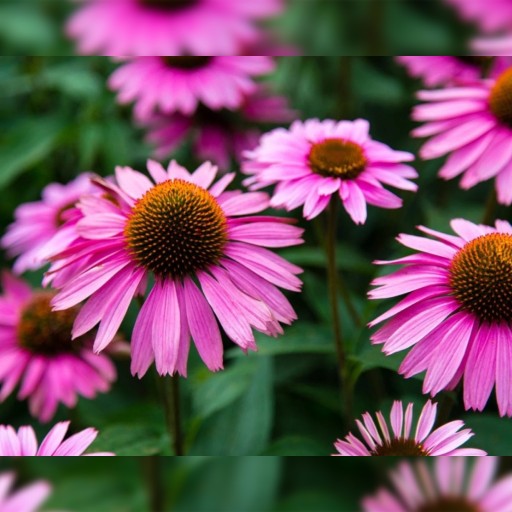
2. Echinacea (Coneflower)
With daisy-like petals and raised centers, echinacea offers bright, showy blooms that attract both bees and butterflies. Bees are drawn to its rich pollen, while butterflies enjoy sipping nectar from its petals. This hardy plant is beginner-friendly and has a long blooming season, from summer to fall, guaranteeing regular pollinator visits.
3. Zinnia
Zinnias are beloved for their rainbow of colors—red, pink, orange, yellow, and more. Their simple, open flowers are perfect landing spots for butterflies. Since they bloom from summer until frost, zinnias serve as an “all-you-can-eat buffet” for pollinators. They are also very easy to grow, making them an excellent choice for gardeners seeking quick results.
4. Sunflower
Nothing symbolizes sunshine and joy like sunflowers. Beyond their bold beauty, their large, flat flower heads are a feast for bees. Smaller butterflies also flock to them to sip nectar. Once the blooming season ends, the seeds attract birds, adding even more biodiversity to the garden.
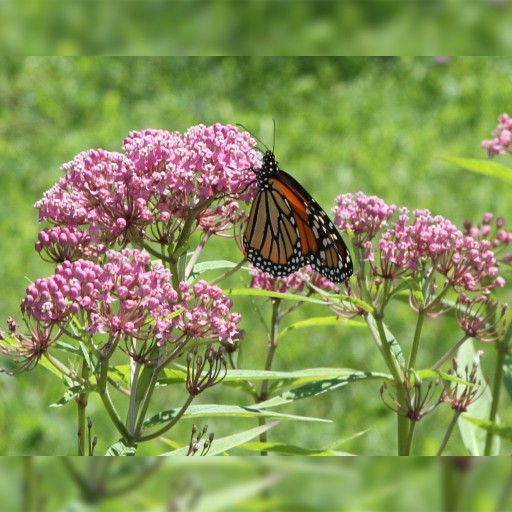
5. Milkweed
Best known for its connection to monarch butterflies, milkweed provides not only nectar but also a breeding ground for these iconic insects. Its sweet-scented flowers attract a variety of pollinators, especially butterflies. Planting milkweed helps support the butterfly life cycle and adds ecological value to any garden.
6. Salvia
With its tall spikes and vibrant blooms ranging from blue and purple to red, salvia is irresistible to bees and butterflies. Its tubular flowers are perfectly shaped for nectar feeding. As a hardy perennial with long-lasting blooms, salvia is a low-maintenance plant that enhances both the look and ecological health of the garden.
7. Buddleja (Butterfly Bush)
As its name suggests, the butterfly bush is one of the best plants for attracting butterflies. Its long flower clusters in a range of colors release a strong fragrance that pollinators find irresistible. Growing into lush shrubs, buddlejas not only beautify the garden but also create a haven for wildlife.
8. Black-eyed Susan
With golden-yellow petals and dark centers, Black-eyed Susans bring a burst of sunshine to the garden. They provide nectar for butterflies and pollen for bees while being drought-tolerant and long-blooming. Their wildflower-like charm makes them perfect for naturalistic landscapes and pollinator-friendly spaces.
Tips for a Pollinator-Friendly Garden
Planting these species is a great start, but here are a few extra tips to maximize pollinator activity:
Plant variety: Choose plants with different bloom times so food is available throughout the seasons.
Skip pesticides: Chemicals can harm pollinators—opt for natural alternatives.
Provide water: A shallow dish of water or damp stones gives insects a safe drinking spot.
Leave wild corners: Natural areas provide shelter for butterflies to rest and reproduce.
A garden buzzing with bees and dancing with butterflies is not only delightful to the eyes but also beneficial to plant health. By growing lavender, echinacea, zinnias, sunflowers, milkweed, salvia, buddleja, and Black-eyed Susans, you can create a lively sanctuary full of color and pollinator activity.
Whether for beauty, ecology, or the simple joy of seeing butterflies flutter by, these plants are some of the best choices for every garden.
 1
1 1
1OTHER NEWS
-
- Should you Choose a Real Estate Agent When Buying a Home?
- By Wendy 24 Apr,2023

-
- Watch out for the Following Credit Card Scams!
- By Wendy 24 Apr,2023

-
- Fixed deposits are not as good as flexible financial management? Analysis of financial management trends in 2025
- By ZH 24 Jul,2025

-
- Why Do Most People Overlook “Cash Flow Risk”?
- By ZXY 11 Oct,2025

-
- Do small businesses really need tax services? When can they file their own taxes?
- By YCY 27 Jan,2026

-
- Who is the Primary Lender When Applying for a Home Loan? These Points are Important!
- By Little Grapes 24 Apr,2023

-
- Global manufacturing is slowing down in tandem. When will deflation strike?
- By ZXY 01 Aug,2025

-
- Is German manufacturing losing its edge? The latest casualty of the US-China strategic rivalry
- By ZXY 29 Jul,2025

-
- How to Avoid Being Scammed by Credit Card Fraud!
- By Wendy 24 Apr,2023

-
- Real Estate Investment Needs to be Careful!
- By Little Grapes 24 Apr,2023

-
- What does the upgraded regulation of digital currencies mean to investors?
- By ZH 25 Jul,2025

-
- How much longer can the seven tech giants of the US stock market withstand high interest rates?
- By ZXY 28 Jul,2025