Five of the Best Indoor Plants for Purifying the Air
Let's be honest, spending so much time at home can inevitably make the air feel a bit stuffy. Especially in winter, when the windows are tightly closed, or after a long day at the office, you might suddenly crave a breath of "forest air."
Of course, an air purifier is a solution, but its cold, mechanical smell can't compare to the refreshing feeling of greenery. What's more, plants not only help purify the air, but also enhance the space and improve your mood.If you're constantly feeling a bit "depressing" indoor air, consider adding a few suitable indoor plants.
Today, I'd like to share five plants that are both air-purifying and easy to maintain. Don't worry, none of these plants will require you to be a full-time gardener. Most of the time, they only need a little water and some sunlight to do the work for you.
Pothos: The lazy option that never gets in the way
If you're new to plants, the pothos is definitely the friendliest choice. Its hardiness is so great that it thrives almost anywhere. It can thrive on a bright windowsill or quietly thrive in a dim corner. The most remarkable thing about the pothos is its ability to absorb harmful substances like formaldehyde, benzene, and xylene from the air.
Simply put, it's particularly useful in newly renovated rooms with new furniture. I once casually placed a pot of pothos next to my desk, and within six months, it had draped down the bookshelf, creating a striking green waterfall.
More importantly, it's incredibly tolerant of neglect. Forgot to water it for a few days? No problem, it'll still hold up. Lack of light? It won't die. So if you're always worried about your lack of talent for gardening, pothos can give you confidence. With just occasional watering, it'll thrive.
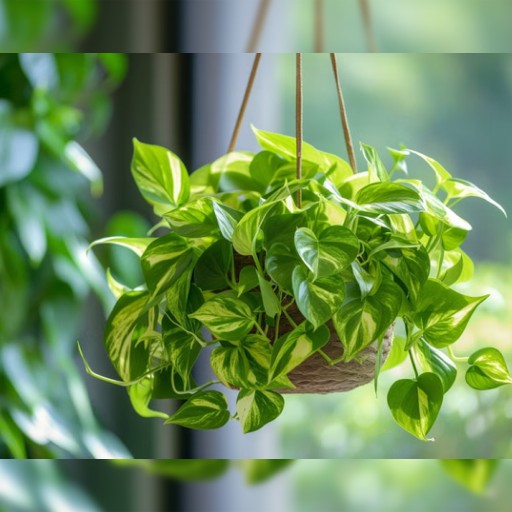
Spider Plant: The Air Guardian That Can "Split"
The spider plant is another classic indoor plant. Its long, slender leaves flow out of its pot like green ribbons, gently drooping, creating a light and airy effect. Its most endearing feature is its long, thin branches, each adorned with miniature spider plants, resembling a necklace. Just snip off a small spider plant and stick it in the soil, and it'll quickly become a new plant.
When it comes to air purification, spider plants are particularly good at dealing with carbon monoxide and formaldehyde. In other words, if you live in a high-traffic area or cook frequently, spider plants can help share some of the burden.
In terms of care, they're almost as easy to maintain as pothos: they're highly adaptable and thrive in both direct sunlight and partial shade. They won't hold a grudge if you occasionally forget to water them. Many offices display spider plants for their beauty, durability, and air quality.
Snake Plant: A Nighttime Oxygen Generator
The snake plant is also known as "mother-in-law's tongue," but don't let the name scare you. Its upright, sturdy appearance and leaves, resembling green swords, often edged with yellow or white stripes, give it a modern and distinctive look. Many people place it in their bedrooms because it has a unique feature: it releases oxygen at night.
Most plants release oxygen only during the day through photosynthesis and release carbon dioxide at night. But the snake plant is different; it's a "nocturnal plant." So if you always feel stuffy when you sleep, consider placing a pot or two of snake plants by your bed.
Even better, it's incredibly easy to care for, practically a "no-brainer" plant. It's drought-resistant and can survive a month without watering. It also tolerates low-light conditions and can easily be placed in a corner of your living room. It's a perfect combination for lazy people and air cleaners.
English Ivy: An Elegant Air Purifier
The first impression of ivy is romance. Its uniquely shaped, spreading leaves create a sense of climbing. You can place it high, letting it drape down a cabinet or windowsill, reminiscent of an English cottage in a movie.
Beyond its beauty, ivy is also a powerful air purifier. Studies have shown that it's particularly effective at removing mold spores, formaldehyde, benzene, and other substances from the air. Especially in humid areas of your home prone to mold growth, placing a pot of ivy can help freshen the air considerably.
However, be aware that ivy is a bit picky about light, so it's best to keep it in a bright, but not direct, corner. It prefers a humid environment, so remember to keep the soil slightly damp. With proper care, it will bring you an elegant and refreshing atmosphere.

Peace Lily: A "Little Air Purifier"
The white anthurium is one of the few plants that can both purify the air and bloom. Its dark green, glossy leaves and elegant, tranquil white flowers resemble a white dove spreading its wings, bringing a peaceful atmosphere to any room.
Its air purification capabilities are comprehensive, removing common harmful substances such as benzene, formaldehyde, trichloroethylene, and ammonia. It's truly an "all-rounder." No wonder white anthuriums consistently rank high in NASA's air purification studies.
Of course, its care requires some attention. It prefers a warm, humid environment and dislikes direct sunlight. Water moderately, keeping the soil slightly moist is ideal. If the environment is too dry, the tips of its leaves may turn yellow or black. Mist it with water to maintain humidity.
However, compared to its beauty and functionality, these minor requirements are completely acceptable. Imagine a white anthurium in your living room. When it blooms, it's pure white and tranquil, and the air feels fresher—killing two birds with one stone.
Which one is best for you?
In fact, these five plants each have their own unique characteristics:
Pothos: A lazy person's top choice, highly adaptable.
Chlorophytum: Reproducible and capable of "cloning," making it a great starting point for a large home garden.
Sansevieria: Releases oxygen at night, perfect for the bedroom.
Ivy: Elegant and romantic, especially suitable for humid environments.
Anthurium: Both air purifiers and blooms, it combines beauty and strength.
If you're only starting with one plant, I recommend either Pothos or Sansevieria; they're perfect for beginners. If you already have some experience with plants, consider either anthurium or ivy to add a layered feel to your home.
No matter which you choose, watching these plants quietly grow while reading in your living room or daydreaming at your desk will make the air feel softer. Growing plants isn't a burden; it's a way to enjoy life. They're like quiet roommates, quietly bringing a better environment and mood.
We all crave a little greenery, a sense of fresh air, in our lives. Air purification is just a bonus feature; the real reward is the feeling of being quietly healed by nature, as you watch a leaf unfold or notice the air suddenly become fresher. So, why not start today by picking a suitable plant and bringing it home? You'll find that living with them makes both the air and your mood lighter.
 1
1 1
1OTHER NEWS
-
- Should you Choose a Real Estate Agent When Buying a Home?
- By Wendy 24 Apr,2023

-
- Watch out for the Following Credit Card Scams!
- By Wendy 24 Apr,2023

-
- Fixed deposits are not as good as flexible financial management? Analysis of financial management trends in 2025
- By ZH 24 Jul,2025

-
- Why Do Most People Overlook “Cash Flow Risk”?
- By ZXY 11 Oct,2025

-
- Do small businesses really need tax services? When can they file their own taxes?
- By YCY 27 Jan,2026

-
- Who is the Primary Lender When Applying for a Home Loan? These Points are Important!
- By Little Grapes 24 Apr,2023

-
- Global manufacturing is slowing down in tandem. When will deflation strike?
- By ZXY 01 Aug,2025

-
- Is German manufacturing losing its edge? The latest casualty of the US-China strategic rivalry
- By ZXY 29 Jul,2025

-
- How to Avoid Being Scammed by Credit Card Fraud!
- By Wendy 24 Apr,2023

-
- Real Estate Investment Needs to be Careful!
- By Little Grapes 24 Apr,2023

-
- What does the upgraded regulation of digital currencies mean to investors?
- By ZH 25 Jul,2025

-
- How much longer can the seven tech giants of the US stock market withstand high interest rates?
- By ZXY 28 Jul,2025