Can bananas still be eaten after they've been left black? Are they actually more nutritious?
In everyday life, bananas are a must-have fruit for many people, for breakfast, for post-workout energy, and even for weight loss. However, many people have experienced this: after a few days, a bunch of bananas start to develop black spots on the skin, or even the entire banana turns black.
Many people instinctively wonder—are they rotten? Can they still be eaten? In fact, blackening bananas doesn't necessarily mean they're inedible; in some cases, they may even be more nutritious. So, can bananas still be eaten after they've been left black? What's the relationship between black-spotted bananas and nutrition?
Why do bananas turn black?
The ripening process of bananas is actually a "natural chemical reaction."
When they're first bought, bananas are usually bright green. Over time, the chlorophyll in the peel gradually breaks down, increasing the sugar content, softening the flesh, and gradually turning yellow.
When black spots appear on the banana skin, it indicates that the starch in the banana has been broken down into glucose, fructose, and sucrose, making it sweeter than when it was first bought. As bananas continue to ripen, their peels become covered in small black spots, sometimes even turning completely black.
This is primarily because the banana releases ethylene gas during respiration, further decomposing its internal tissue. At the same time, the polyphenols in the peel oxidize in the air, causing the skin to rapidly darken.
In other words, the "blackening" of bananas is a natural result of ripening and does not necessarily mean they have rotted.
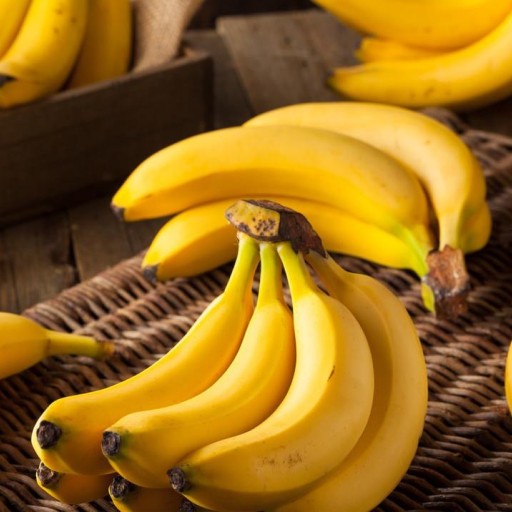
Are bananas with black spots truly more nutritious?
Many people don't realize that bananas with black spots actually undergo some interesting nutritional changes:
Sugar is more easily absorbed
Green bananas contain more starch, which gradually converts into monosaccharides and disaccharides as they ripen. The flesh of bananas with black spots is softer and sweeter, making it easier for the stomach to absorb. Eating a banana with black spots can be especially beneficial for a quick energy boost after exercise.
Antioxidant content increases
Research has found that ripening bananas produce more antioxidants, such as dopamine and catechins, which help fight free radicals and slow cell aging. Immune-Boosting Effects
Experiments have shown that bananas with black spots can stimulate the body to produce a substance called tumor necrosis factor-α (TNF-α), which helps the immune system fight abnormal cells in the body. This is one reason why many nutrition articles emphasize the "anti-cancer potential" of black-spotted bananas.
Still Rich in Vitamins and Minerals
Both yellow and black-spotted bananas are rich in potassium, magnesium, vitamin B6, and dietary fiber, which are beneficial for heart health, the nervous system, and intestinal motility.
When is it best not to eat bananas?
While black-spotted bananas have their nutritional advantages, not all "black bananas" are safe to eat. Be cautious if the following conditions occur:
The peel is covered in black spots, but the flesh is intact: You can eat it.
The peel is completely black, but the flesh is soft, sweet, and has no odor: You can eat it.
The flesh is noticeably blackened, mushy, or has a sour smell: The banana is excessively rotten and should not be eaten. Bananas with moldy spots, white hair, or liquefaction: Absolutely avoid them. These bananas are spoiled and may harbor aflatoxin, which is harmful to liver health.
In short: Bananas with black spots are edible, but rotten bananas should be thrown away.
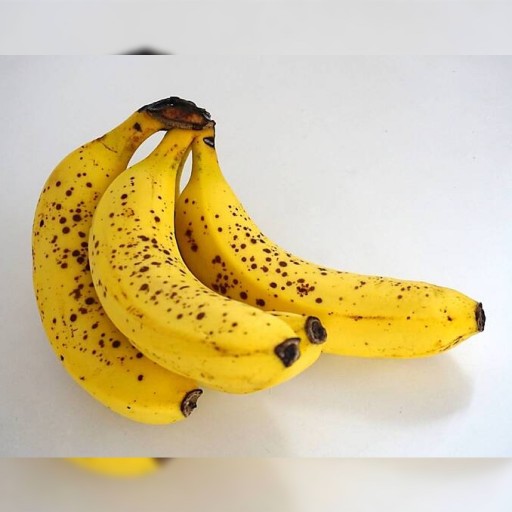
How to eat bananas that have turned black?
When the skin of a banana has turned black but the flesh is still sweet, some people may be uncomfortable eating it directly. However, there are actually many delicious ways to use them:
Banana Milkshake
Blend black-spotted bananas with milk or yogurt to create a smooth smoothie with a naturally sweet taste, without the need for added sugar.
Banana Baking
Black bananas are perfect for banana cakes, banana muffins, or banana bread, making the finished product moist and fragrant.
Banana Oatmeal
Crush black-spotted bananas and mix them into oatmeal for a sweet and filling breakfast.
Freeze Popsicles
Freeze peeled black-spotted bananas and enjoy them just like ice cream. They can also be dipped in dark chocolate for an even more delicious experience. This way, even if the banana skin turns black, you don't have to worry about wasting it; instead, it can become a hidden treasure in your kitchen.
Best Ways to Store Bananas
If you want to delay bananas from turning black, here are some tips:
Store at room temperature: Store bananas in a cool, well-ventilated place after purchase, not in the refrigerator. Cold temperatures damage the skin cells, causing them to darken faster.
Store separately: Bananas release ethylene, which accelerates ripening, so avoid storing them with fruits like apples and pears.
Wrap the banana stems in plastic wrap: This reduces ethylene release and delays ripening.
Refrigerate after ripening: If bananas are already partially ripe, peel them and freeze them for use in smoothies or desserts.
Banana Tips: Eating one to two bananas a day is sufficient. Excessive consumption can lead to excessive calorie and sugar intake.
People with poor kidney function should be cautious about consuming too many bananas, as they are high in potassium.
Eating bananas before and after exercise is a good choice, providing a quick boost of energy and reducing muscle cramps.
A banana with a blackened skin doesn't necessarily mean it's rotten. On the contrary, bananas with black spots tend to be sweeter, richer in antioxidants, and can boost immunity. Of course, if the flesh is rotten, sour, or moldy, it should be discarded to avoid any harm.
So, the next time you see a banana covered in black spots, don't rush to throw it away—it's likely at the peak of its nutritional and deliciousness. With proper use, it can be transformed into a healthy and delicious new favorite in recipes.
 1
1 1
1OTHER NEWS
-
- How do I Choose Between Selling my Home and Renting it out?
- By Wendy 24 Apr,2023

-
- High-yield stocks vs. growth stocks: Which type of investment is more resistant to risks? A game of wealth defense and offense
- By ZH 23 Jul,2025

-
- Yield Curve Inversion Resurfaces: Is There Still Hope for a Soft Landing in the U.S. Economy?
- By ZXY 31 Jul,2025

-
- With China's exports declining, is the global consumption chain beginning to break?
- By ZXY 31 Jul,2025

-
- Global manufacturing is slowing down in tandem. When will deflation strike?
- By ZXY 01 Aug,2025
-
- How to Effectively Manage Debt: Strategies for Balancing Payments and Savings
- By YCY 07 Jan,2026

-
- Trump reignites tariff war, global supply chains face another shakeup
- By ZXY 28 Jul,2025

-
- Gold surges to a new all-time high—what are investors afraid of?
- By ZXY 29 Jul,2025

-
- "Buy Now, Pay Later" is changing the consumer finance landscape: a payment revolution spreading around the world
- By ZH 25 Jul,2025

-
- Watch out for the Following Credit Card Scams!
- By Wendy 24 Apr,2023

-
- How much longer can the seven tech giants of the US stock market withstand high interest rates?
- By ZXY 28 Jul,2025

-
- Do small businesses really need tax services? When can they file their own taxes?
- By YCY 27 Jan,2026