Are protein bars really the top choice for fitness enthusiasts? The truth might surprise you
After working up a sweat at the gym, many fitness enthusiasts reach into their bags for a protein bar to quickly replenish energy and nutrients. Have you ever been drawn to the rows of energy bars labeled “high protein” and “fitness-specific” on convenience store shelves?
Their packaging looks professional and healthy, and they’re convenient and quick to eat. But—are protein bars really the top choice for fitness enthusiasts? Maybe it’s time to rethink this question.
1. The original purpose of protein bars: quick protein replenishment
The biggest selling point of protein bars is their “high protein” content, typically containing 10–30 grams of protein per bar, sourced primarily from whey protein, casein, soy protein, and other sources.
For fitness enthusiasts who have just completed weight training or engaged in prolonged endurance exercises, timely supplementation with high-quality protein aids in muscle repair and growth, making it an essential component of scientific fitness training.
Additionally, compared to traditional protein sources like boiled eggs or grilled chicken breast, protein bars are more convenient, easy to carry, and require no heating, making them ideal for busy urban dwellers or outdoor athletes.
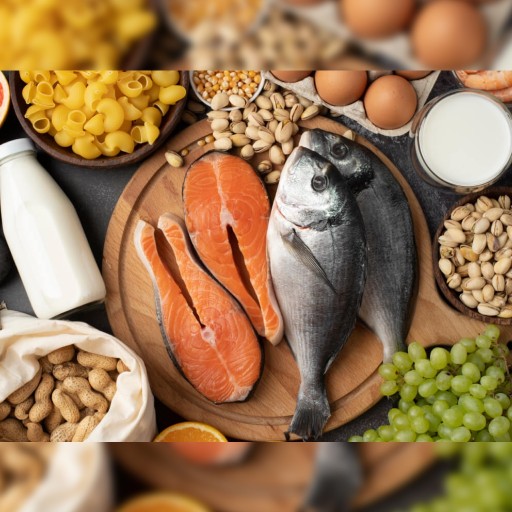
2. The question arises: Are protein bars really healthy?
Although they have a satisfactory protein content, protein bars are not synonymous with “healthy food.” If you carefully read the ingredient list on the back of the packaging, you may notice the following issues:
1. High sugar content or artificial sweeteners
Many protein bars add large amounts of sugar or use artificial sweeteners (such as aspartame or sugar alcohols) to enhance taste. These ingredients may cause blood sugar fluctuations, gastrointestinal discomfort, and even have negative effects on long-term health. For those aiming to control body fat, this is not an ideal choice.
2. High calorie content, leading to excessive intake
A single protein bar typically contains 200–400 calories, with some even exceeding the calorie content of a full meal. If consumed outside of post-workout scenarios or without controlling total calorie intake, it may turn your muscle-building plan into a fat-gain plan.
3. Complex processed ingredients
Many protein bars contain additives, stabilizers, and preservatives. While these may not be cause for immediate concern, they are highly processed foods that could impose a subtle burden on the body with long-term consumption.
3. Who is suitable for consuming protein bars?
Although protein bars are not “perfect,” they remain a relatively practical option in certain situations:
After high-intensity training when you can't eat a proper meal in a short time
During travel or outings when it's difficult to prepare healthy meals
For fitness newcomers looking to increase daily protein intake
For those on a diet who struggle with cravings and seek a healthy snack alternative
The key is: don't treat protein bars as a universal nutritional meal, and definitely don't rely on them as your primary protein source daily.
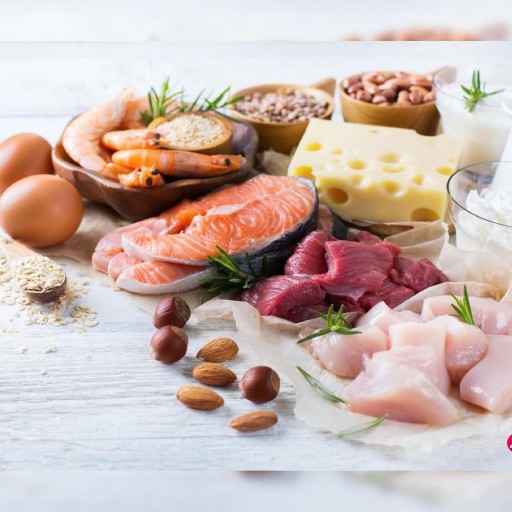
4. Protein bars vs. real food: What's the difference?
Protein bars are high in protein and convenient to carry, making them suitable for quick post-workout replenishment. However, they are highly processed foods that often contain artificial additives and high sugar content.
In contrast, real foods like eggs and chicken breast have slightly lower protein content but are more natural, rich in vitamins, minerals, and healthy fats, offering a more comprehensive nutritional profile.
Real foods provide a stronger sense of fullness, helping to control eating patterns and total calorie intake, while protein bars are small in size and offer limited satiety. Relying on protein bars long-term may affect eating habits, whereas real foods are more conducive to developing healthy eating habits.
Overall, protein bars are convenient and practical, but real foods are healthier. Combining both is the ideal choice for fitness enthusiasts.
5. How to choose a “relatively healthy” protein bar?
If you do need to consume protein bars, the following selection principles can help you avoid common pitfalls:
Protein content ≥ 15g
Sugar content ≤ 5g, preferably from natural sweeteners (such as coconut sugar or maple syrup)
Simpler ingredients are better, avoid artificial colors and preservatives
Fat sources should preferably be healthy fats like nuts or coconut oil
Calories should be kept between 200–250 kcal
Remember, true health isn’t achieved by eating a single “nutritional bar,” but through a comprehensive approach to overall dietary habits and lifestyle.
6. Conclusion: Protein bars are not “bad,” but don't idolize them
Protein bars do offer convenience for fitness enthusiasts and provide a relatively quick way to supplement protein. However, they are not a perfect food and certainly not a “must-have” for fitness. They are best suited as an emergency or temporary alternative, not as a regular staple in your daily diet.
For those seeking health and a good physique, a more worthwhile investment is a nutritionally balanced, naturally rich meal, not a seemingly perfect bar.
Next time you see those tempting protein bars on the shelf, ask yourself: “Do I really need it, or am I just craving something sweet?”
 1
1 1
1OTHER NEWS
-
- How much longer can the eurozone hold out? The ECB has reached the end of its rate hike cycle
- By ZXY 01 Aug,2025

-
- Is German manufacturing losing its edge? The latest casualty of the US-China strategic rivalry
- By ZXY 29 Jul,2025

-
- Trump reignites tariff war, global supply chains face another shakeup
- By ZXY 28 Jul,2025

-
- Credit card points and rewards seem cost-effective, but they actually hide these traps
- By ZXY 01 Sep,2025

-
- Fixed deposits are not as good as flexible financial management? Analysis of financial management trends in 2025
- By ZH 24 Jul,2025

-
- Yield Curve Inversion Resurfaces: Is There Still Hope for a Soft Landing in the U.S. Economy?
- By ZXY 31 Jul,2025

-
- How do I Choose Between Selling my Home and Renting it out?
- By Wendy 24 Apr,2023

-
- With China's exports declining, is the global consumption chain beginning to break?
- By ZXY 31 Jul,2025

-
- Why Do Most People Overlook “Cash Flow Risk”?
- By ZXY 11 Oct,2025

-
- How much longer can the seven tech giants of the US stock market withstand high interest rates?
- By ZXY 28 Jul,2025

-
- The widening U.S. fiscal deficit is fueling debt concerns
- By ZXY 30 Jul,2025

-
- Who is the Primary Lender When Applying for a Home Loan? These Points are Important!
- By Little Grapes 24 Apr,2023