Why has sushi become the representative of Japanese cuisine?
When it comes to Japanese cuisine, nine out of ten people would probably think of sushi first. Whether it's carefully savoring a piece of tuna sushi at a high-end Japanese restaurant or grabbing a salmon rice ball at a convenience store, sushi seems to have become synonymous with the term “Japanese cuisine.”
But in reality, Japan has countless delicious dishes: ramen, tempura, yakitori, wagyu beef, soba noodles... So why is it sushi that has become the “representative”? This is a topic that requires discussion from many angles, and you'll discover that sushi is really not as simple as it seems.
Sushi was originally “salted fish rice”
The sushi we eat today looks elegant and refreshing, with tuna, sea urchin, and salmon roe—each bite is incredibly satisfying. But did you know that the earliest form of sushi was actually created to “preserve fish”?
Back then, there were no refrigerators, so the Japanese would pickle fish with rice. The fermented rice would develop an acidic taste, which helped preserve the fish for longer. However, at that time, the rice was used for “pickling fish” and not for eating.
Once the fish was pickled, the rice was simply discarded. Doesn't that seem a bit wasteful? But people back then were very practical—preservation was the top priority.
Later, during the Edo period (when Tokyo was called Edo), people became more ingenious. They evolved this “salted fish rice” by adding vinegar to make the rice itself sour, then placing raw fish slices on top, shaping it into a ball, and eating it in one bite—convenient and delicious.
This became the “nigiri sushi” we enjoy today. At the time, it was like street food in Edo, roughly equivalent to today's convenience store rice balls. People would grab one on the go, eat it, and continue on their way—it was far from the sophisticated dish it is today.
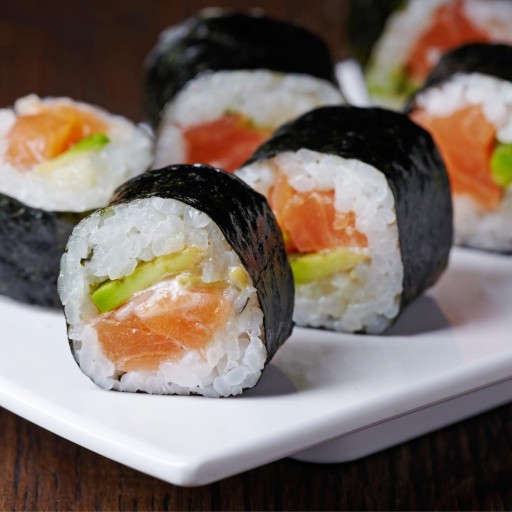
Simple in appearance, yet highly refined
Although sushi appears simple—a ball of rice, a slice of fish, soy sauce, and wasabi—its true appeal lies in the intricate details hidden behind its seemingly unremarkable appearance.
For instance, the rice ball—the type of rice must be carefully selected, the texture must be just right, the vinegar's acidity must be balanced, and the temperature must not be too hot or too cold. When shaping it, the pressure of the hands must be controlled; too tight makes it hard, too loose makes it fall apart.
The fish on top is even more meticulous—it must be fresh, evenly thick, and cut with precision; otherwise, the texture suffers greatly.
You may not notice these details while eating, but you'll just feel, “Hmm, this sushi is delicious!” That feeling of “I can't quite put my finger on why it's delicious, but it just tastes right” is what makes sushi so special.
You could say sushi is that kind of food that's understated on the surface but incredibly refined on the inside, much like someone who dresses simply yet exudes elegance.
Why sushi and not ramen or tempura?
You might ask, isn't ramen more popular? Isn't tempura also delicious? Why has sushi taken the spotlight?
First, sushi has a significant advantage: strong international appeal. While ramen is popular in Asia, it may not appeal to everyone in Europe and America due to its salty taste and heavy broth. Tempura is fried, and eating too much can be greasy. But sushi? It's not greasy, low in fat, and high in protein, making it easy to label as “healthy.”
Plus, sushi looks great! It’s colorful, beautifully presented, and makes for great photos to share on social media. In the age of social media, that’s a major plus.
Another key point is that sushi can be both expensive and affordable. You can dine at a high-end sushi restaurant for a kaiseki meal starting at 10,000 yen, or buy a box of rolled sushi for 500 yen at the supermarket.
Whether high-end or budget-friendly, everyone can enjoy it. This “accessible to all” quality makes it easier for the general public to accept and embrace it as a “representative” dish.
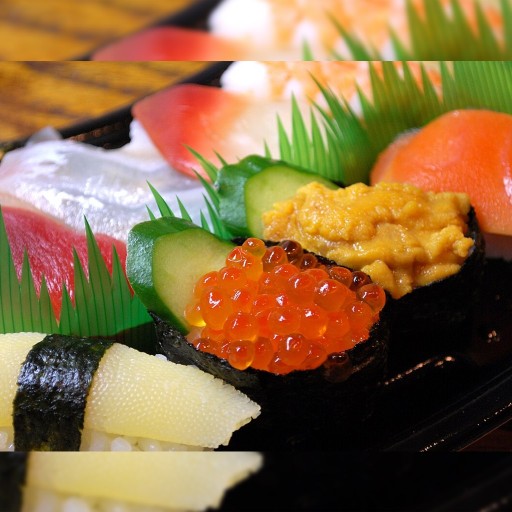
The charm of sushi goes beyond taste
Sushi isn't just “delicious”; it also embodies a very Japanese “lifestyle philosophy.”
For example, it places great emphasis on “seasonal awareness.” In spring, you eat sea bream; in summer, mackerel; in autumn, mackerel pike; and in winter, fatty tuna. The fat content and flavor of the fish vary by season. You’ll find that sushi chefs are like artists of seasonal ingredients, using rice and fish to tell you “what time of year it is.”
And eating sushi is a ritual—the chef stands before you, chatting as they prepare each piece; you eat one piece at a time, each bite different, each bite fresh. This experience is not just about eating; it's more like a form of communication, a slow process of savoring both the food and the person.
Don't you agree? In the fast-paced rhythm of modern life, sometimes, simply sitting quietly to eat a few pieces of sushi can be a form of healing.
Sushi has become a “cultural language”
Today, sushi isn't just available in Japan. You can find sushi restaurants in New York, Paris, Taipei, Bangkok, Melbourne... almost any city. And each place has its own style.
For example, Americans like to add avocado, fried shrimp rolls, and those reverse rolls (rice on the outside, seaweed on the inside); Taiwanese people like to add tamagoyaki and crab sticks, and drizzle some sweet sauce on top; Koreans prefer thick rolls in the style of seaweed rice rolls...
Though these aren't the most traditional sushi, they all demonstrate sushi's remarkable “adaptability.”
This shows that sushi is no longer exclusive to the Japanese. It's like a language that has spread worldwide, telling the story of “Japanese cuisine” in local accents. No wonder so many people think of sushi first when they think of Japan.
Actually, sushi has become the symbol of Japanese cuisine because it is so Japanese—refined yet not ostentatious, quiet yet not cold, simple yet not simplistic. It allows us to feel the passage of the seasons, the warmth of human connection, and respect for ingredients while eating.
It can be a convenience store rice ball on your way home late at night, or a memorable meal with someone special at a high-end sushi restaurant. Sushi never makes a fuss, but its presence always leaves a lasting impression. So next time you eat sushi, take your time and savor the world hidden within that small bite. Perhaps you'll understand why it represents Japan so well.
 1
1 1
1OTHER NEWS
-
- How much longer can the eurozone hold out? The ECB has reached the end of its rate hike cycle
- By ZXY 01 Aug,2025

-
- Is German manufacturing losing its edge? The latest casualty of the US-China strategic rivalry
- By ZXY 29 Jul,2025

-
- Trump reignites tariff war, global supply chains face another shakeup
- By ZXY 28 Jul,2025

-
- Credit card points and rewards seem cost-effective, but they actually hide these traps
- By ZXY 01 Sep,2025

-
- Fixed deposits are not as good as flexible financial management? Analysis of financial management trends in 2025
- By ZH 24 Jul,2025

-
- Yield Curve Inversion Resurfaces: Is There Still Hope for a Soft Landing in the U.S. Economy?
- By ZXY 31 Jul,2025

-
- How do I Choose Between Selling my Home and Renting it out?
- By Wendy 24 Apr,2023

-
- With China's exports declining, is the global consumption chain beginning to break?
- By ZXY 31 Jul,2025

-
- Why Do Most People Overlook “Cash Flow Risk”?
- By ZXY 11 Oct,2025

-
- How much longer can the seven tech giants of the US stock market withstand high interest rates?
- By ZXY 28 Jul,2025

-
- The widening U.S. fiscal deficit is fueling debt concerns
- By ZXY 30 Jul,2025

-
- Who is the Primary Lender When Applying for a Home Loan? These Points are Important!
- By Little Grapes 24 Apr,2023