A Guide to Supplementing Trace Elements: Small Elements, Big Impact
We are constantly bombarded with terms like “high protein” and “low fat,” but when discussing nutrition, one category of substances is often overlooked: trace elements.
Although they are present in very small amounts in the body, they play an irreplaceable role. From regulating immunity to protecting the heart, from promoting metabolism to maintaining neural health, these tiny elements form the foundation of our health.
Understanding them and supplementing them appropriately can not only help us cope with daily fatigue but may also improve our quality of life without us even realizing it. So, how should we eat them? Which ones should we eat? Let's discuss this now.
A Guide to Supplementing Trace Elements: Small Elements, Big Impact
Iron: The Essential “Blood-Building Agent” for Women
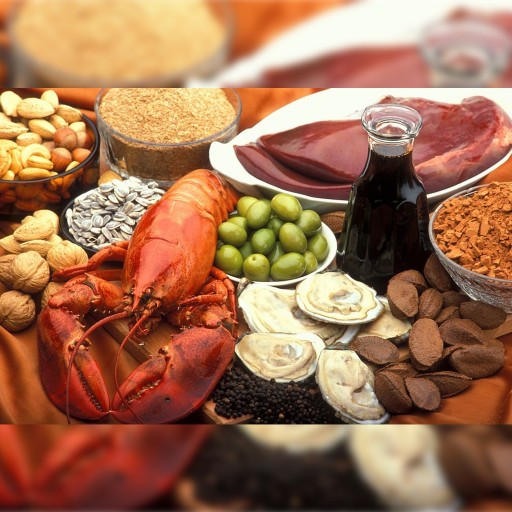
Iron is a key element in the body's blood-building and oxygen transport processes, and it is particularly important for women of childbearing age. Iron deficiency can lead to anemia, fatigue, difficulty concentrating, and even headaches or dizziness. The best dietary sources of iron include red meat (especially steak and lamb), animal liver, and shellfish (such as clams and mussels).
The “heme iron” in these foods has high absorption rates and is suitable for those with insufficient iron reserves.
Those following a plant-based diet can obtain iron from spinach, legumes, lentils, and fortified grains. However, since plant-based iron has lower absorption rates, it is recommended to pair these foods with vitamin C-rich foods such as tomatoes, bell peppers, or oranges. Vitamin C significantly enhances iron absorption, improving the effectiveness of iron supplementation.
However, excessive iron intake, especially through supplements, carries risks. Long-term excessive intake may lead to stomach discomfort, constipation, or even liver damage. Therefore, it is recommended to prioritize dietary intake and supplement according to medical advice.
Zinc: The Invisible Guardian of the Immune System
Zinc is an essential element for supporting immune function, as well as wound healing, cell division, and taste perception. Especially during flu season or the early stages of a cold, insufficient zinc intake may impair the body's ability to resist viruses.
Oysters are the food with the highest natural zinc content, with one serving meeting or even exceeding daily requirements. Other good sources include beef, pork, chicken, pumpkin seeds, cashews, and whole grains. For those following a plant-based diet, while zinc bioavailability is slightly lower in plants, it can still be met through seeds, legumes, and fortified foods.
It is important to note that zinc may compete with calcium and iron for absorption. If you are supplementing these three elements, it is best to take them at different times. Maintaining a balanced diet is sufficient, and there is no need for concern.
Selenium: Boosting Antioxidant and Thyroid Health
Selenium is a powerful antioxidant that helps neutralize free radicals, slow cellular aging, and has positive effects on preventing cardiovascular disease and supporting thyroid function. Selenium is also believed to help improve male fertility and is one of the key elements in maintaining hormonal balance.
The richest source of selenium is Brazil nuts, with just one Brazil nut providing the daily recommended intake of selenium, and easily exceeding it. Therefore, it is recommended to consume no more than 2-3 Brazil nuts per day to avoid excessive intake. Other selenium-rich foods include tuna, salmon, turkey, eggs, and whole-grain bread.
Selenium deficiency is rare, but it is more common in regions with selenium-deficient soil (such as parts of Central Europe or certain areas of China). If you follow a strict vegetarian diet or avoid seafood and nuts for extended periods, it is important to pay attention to your selenium intake.
Magnesium: The natural stress reliever of the modern age
In the fast-paced modern lifestyle, magnesium is hailed as the “natural stress-relieving mineral.” It participates in over 300 enzymatic reactions in the body and plays a crucial role in muscle relaxation, nerve transmission, blood sugar balance, and sleep quality. Magnesium deficiency may lead to anxiety, muscle cramps, sleep disorders, and even migraines.
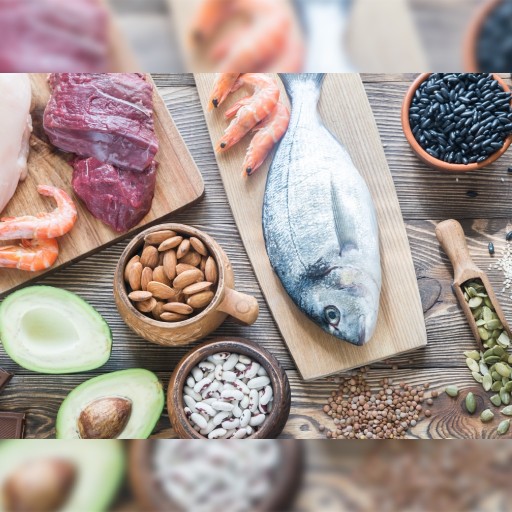
Dark green vegetables (such as kale and spinach), nuts (especially almonds and cashews), seeds (such as sunflower seeds and flaxseeds), legumes, and whole grains are excellent sources of magnesium. Dark chocolate (with a cocoa content of 70% or higher) is also a delicious source of magnesium and an excellent choice for evening relaxation.
Additionally, caffeine, alcohol, and high-sugar diets can accelerate magnesium loss in the body. If you enjoy coffee and often stay up late, you may want to consciously increase your magnesium intake to help your body better adapt to stress.
Iodine and copper: often overlooked micronutrients
Iodine is a key element in the synthesis of thyroid hormones. Iodine deficiency can lead to goiter, fatigue, or slowed metabolism. Primary sources of iodine include iodized salt, seaweed, nori, cod, and other seafood. Vegetarians or those following a low-salt diet should pay particular attention to ensuring adequate iodine intake.
Copper often works in conjunction with iron to help produce red blood cells and maintain immune health. It is found in high concentrations in liver, nuts (especially cashews and hazelnuts), whole-grain bread, dark chocolate, and mushrooms. Long-term use of high-dose zinc supplements may inhibit copper absorption, so it is important to maintain a balance between the two.
Although these two trace elements are not scarce in the diet, modern processed foods tend to be “refined,” leading to reduced intake for many people. Choosing natural, unprocessed ingredients is a more reliable way to supplement these nutrients.
Faced with a wide variety of health supplements on store shelves, many people opt for supplements directly, but in reality, food is the most stable and safe way to obtain trace elements. Trace elements in food not only have higher absorption rates but also often work synergistically with other nutrients to provide more comprehensive health support.
If trace element intake is insufficient due to dietary restrictions or health issues (such as malabsorption syndrome or gastrointestinal surgery), supplements can be selected under medical guidance. However, dosage and duration must be clearly defined to avoid over-supplementation and potential side effects.
Additionally, different populations have varying needs for trace elements. Pregnant women, the elderly, athletes, vegetarians, and other groups should pay closer attention to their nutritional intake and undergo nutritional assessments when necessary.
Though the power of trace elements is subtle, they play a vital role in every aspect of our bodies. Just as buildings rely on a solid foundation, our health similarly depends on these “microscopic heroes” for support.
Rather than pursuing complex nutritional plans, it is better to start with daily meals: a handful of nuts, a serving of dark leafy greens, a bowl of legume soup, or a portion of fresh seafood. These not only satisfy the palate but also serve as silent allies in maintaining our health.
The path to healthy eating begins with small steps and leads to great achievements. Dental Orthodontics Animation
 1
1 1
1OTHER NEWS
-
- How much longer can the eurozone hold out? The ECB has reached the end of its rate hike cycle
- By ZXY 01 Aug,2025

-
- Is German manufacturing losing its edge? The latest casualty of the US-China strategic rivalry
- By ZXY 29 Jul,2025

-
- Trump reignites tariff war, global supply chains face another shakeup
- By ZXY 28 Jul,2025

-
- Credit card points and rewards seem cost-effective, but they actually hide these traps
- By ZXY 01 Sep,2025

-
- Fixed deposits are not as good as flexible financial management? Analysis of financial management trends in 2025
- By ZH 24 Jul,2025

-
- Yield Curve Inversion Resurfaces: Is There Still Hope for a Soft Landing in the U.S. Economy?
- By ZXY 31 Jul,2025

-
- How do I Choose Between Selling my Home and Renting it out?
- By Wendy 24 Apr,2023

-
- With China's exports declining, is the global consumption chain beginning to break?
- By ZXY 31 Jul,2025

-
- Why Do Most People Overlook “Cash Flow Risk”?
- By ZXY 11 Oct,2025

-
- How much longer can the seven tech giants of the US stock market withstand high interest rates?
- By ZXY 28 Jul,2025

-
- The widening U.S. fiscal deficit is fueling debt concerns
- By ZXY 30 Jul,2025

-
- Who is the Primary Lender When Applying for a Home Loan? These Points are Important!
- By Little Grapes 24 Apr,2023