Protein Showdown: What Beats Eggs on the Nutrition Scale?
Eggs have long been hailed as the epitome of “perfect protein,” not only because they are rich in essential amino acids but also due to their high digestibility and ease of preparation. However, upon closer examination of modern nutrition science and dietary trends, it becomes clear that eggs are not the sole champions of high-protein foods.
In fact, some foods even surpass eggs in certain aspects of protein quality. Whether your goal is muscle gain, fat loss, blood sugar control, or simply eating more nutritiously, understanding these “protein powerhouses” is an important step in optimizing your diet.
This article will break down these “protein sources that outperform eggs,” from animal-based to plant-based, from common to lesser-known, helping you eat smart and feel satisfied.
Chicken Breast: The Protein Density Champion
If you've ever stepped into a gym, you've likely seen someone carrying a chicken breast lunchbox. The reason is simple: chicken breast is almost pure lean meat, containing approximately 31 grams of protein per 100 grams—nearly double that of eggs (approximately 13 grams per 100 grams).
Additionally, chicken breast has extremely low fat content and almost no carbohydrates, making it a high-quality “clean protein.”
Its advantage lies in its extremely high protein density and ease of absorption by the human body, making it an extremely cost-effective choice for those looking to build muscle and reduce fat. Grilling, pan-frying, stewing, slicing into strips for salads, or making soup—chicken breast offers a variety of cooking methods.
Pair it with some olive oil, spices, and lemon juice, and the taste no longer has to be “dry and bland.”
Tip: Use low-temperature slow cooking or bake in foil in the oven to retain moisture and prevent the meat from becoming dry.
Greek yogurt: Protein + probiotics dual benefits
If you need to supplement your breakfast or snacks with high-quality protein, Greek yogurt is an excellent choice. Compared to regular yogurt, Greek yogurt undergoes a processing method that removes a significant amount of whey, resulting in a thicker consistency and a substantial increase in protein content—providing 15–20 grams of protein per 170 grams (approximately one cup).
Additionally, it is rich in calcium and probiotics, which positively impact bone health and gut microbiota. It is low in sugar and fat (choosing unsweetened, low-fat versions is even better), making it suitable for daily consumption or as part of salad dressings, protein shakes, and baking ingredients.
Serving suggestion: Add blueberries, nuts, chia seeds, and a touch of honey to create a high-protein, high-fiber energy bowl that combines nutrition and taste.
Cod and Tuna: Protein Powerhouses from the Ocean
Seafood is another often underrated source of protein. Especially cod and tuna, which have tender flesh, low fat content, high protein content, and excellent digestibility. Each 100 grams of cooked tuna contains approximately 29 grams of protein, while cod contains 24 grams, comparable to chicken breast.
Additionally, these fish are rich in vitamin B12, selenium, and omega-3 fatty acids, which support heart and brain health. Tuna cans are a “high-efficiency nutritional lifesaver” for busy lifestyles, as they can be directly mixed into salads, sandwiched between whole-grain toast, or added to pasta dishes.
Note: Tuna has slightly higher mercury levels, so it is recommended to consume no more than two to three times per week. Cod is a low-mercury option and can be consumed frequently.
Tofu and legumes: the top representatives of plant-based protein
Plant-based protein has gained increasing attention in recent years, especially in the context of vegetarian or low-carbon diets. Tofu and legumes (such as chickpeas, black beans, and lentils) not only have a significant protein content but also contain abundant dietary fiber, iron, magnesium, and other minerals.
100 grams of tofu contains approximately 8–12 grams of protein, depending on the type (soft tofu, water tofu, or firm tofu). Legumes such as cooked lentils or chickpeas provide about 18 grams of protein per cup, and are low in fat and cholesterol-free.
The “highlight” of legumes is their strong satiety and low glycemic index, making them ideal for those needing to control their weight or sugar intake. While plant-based proteins have a less complete amino acid profile than animal-based proteins, they can be complemented by pairing them with grains like brown rice or quinoa.
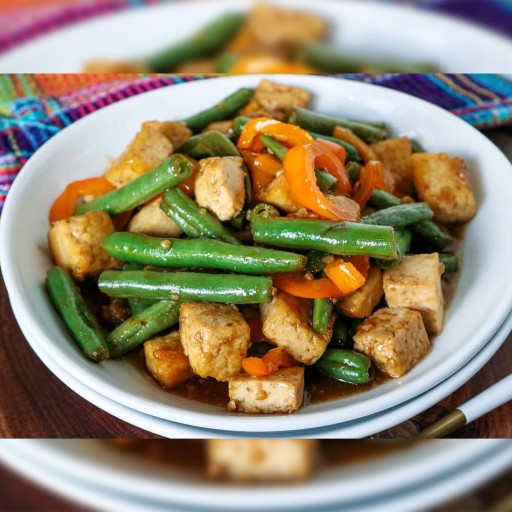
Cooking inspiration: Hummus, stir-fried vegetables with tofu, and black bean chili rice are simple yet delicious high-protein plant-based dishes.
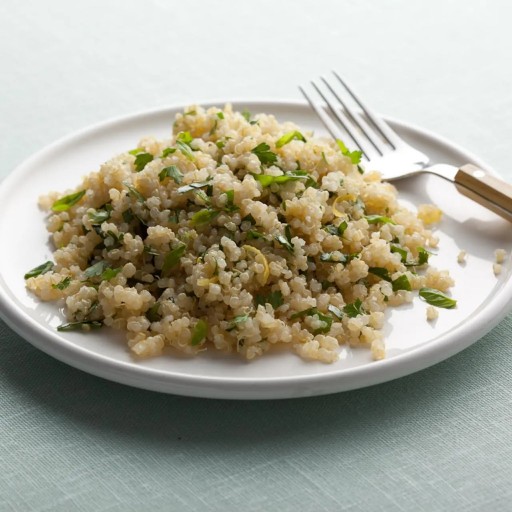
Quinoa: The Protein Powerhouse of Grains
When it comes to grains, people often think of carbohydrates first, but quinoa is one of the few “pseudo-grains” that is rich in complete protein. Each 100 grams of cooked quinoa contains approximately 8 grams of protein and all nine essential amino acids—a rarity among plant-based foods.
It has a unique texture with a subtle nutty aroma and can be used as a rice substitute, in cold salads, porridge, or even in baking desserts. In addition to protein, it is also rich in dietary fiber, iron, magnesium, and antioxidants, making it a nutritionally complete and suitable staple food for daily consumption.
Dietary tip: Soak and rinse it beforehand to remove the saponins on the surface and avoid a bitter taste.
Protein powder: A convenient nutritional supplement
In today's fast-paced lifestyle, protein powder holds an indispensable position as a “quick-dissolving high-protein source.” Whey protein is particularly popular due to its rapid absorption and high bioavailability. Each scoop (approximately 30 grams) of whey protein powder contains 20-25 grams of protein, far exceeding the protein density of any natural food source.
Additionally, plant-based protein powders (such as pea protein or rice protein) are suitable for those with lactose intolerance or vegetarians. Protein powder can be mixed into water, milk, oats, smoothies, or baked goods, offering flexible usage.
Usage recommendations: Use as a supplement rather than a meal replacement. Consuming whey protein within 30 minutes after exercise aids in muscle repair and growth.
Cheese: A hidden source of protein in delicious foods
Cheese, especially low-fat ricotta or cottage cheese, is a high-protein food that is often overlooked in daily life. For example, 100 grams of cottage cheese contains approximately 11 grams of protein, and compared to other dairy products, it is low in sugar and rich in calcium.
More importantly, it can be flexibly used in breakfast, sandwiches, pasta, and vegetable bowls, adding a creamy flavor while boosting overall protein content.
Tip: Choose low-sodium cheese to avoid excessive salt intake; use it to replace high-fat sauces for a healthier and tastier option.
While eggs remain an excellent source of protein, they are by no means the only option or the most nutritionally complete one. Different foods have distinct advantages in terms of protein content, amino acid structure, bioavailability, and accompanying nutrients.
In real life, the smartest approach is not to rely solely on a single “superfood” but to combine various sources to create a nutritionally balanced, flavorful, and lifestyle-appropriate diet.
Incorporating Greek yogurt and quinoa into breakfast, choosing chicken breast and roasted vegetables for lunch, pairing legumes and whole grains for dinner, and complementing these with moderate amounts of seafood and cheese snacks can not only easily meet daily protein requirements but also make meals more enjoyable and satisfying.
Protein is not just a “special nutrient” for athletes or fitness enthusiasts; it is the foundation of vitality, immunity, and long-term health for everyone. The next time you make choices for your three daily meals, try stepping out of your “comfort zone” of eggs and explore those “protein stars” you may have overlooked.
 1
1 1
1OTHER NEWS
-
- How much longer can the eurozone hold out? The ECB has reached the end of its rate hike cycle
- By ZXY 01 Aug,2025

-
- Is German manufacturing losing its edge? The latest casualty of the US-China strategic rivalry
- By ZXY 29 Jul,2025

-
- Trump reignites tariff war, global supply chains face another shakeup
- By ZXY 28 Jul,2025

-
- Credit card points and rewards seem cost-effective, but they actually hide these traps
- By ZXY 01 Sep,2025

-
- Fixed deposits are not as good as flexible financial management? Analysis of financial management trends in 2025
- By ZH 24 Jul,2025

-
- Yield Curve Inversion Resurfaces: Is There Still Hope for a Soft Landing in the U.S. Economy?
- By ZXY 31 Jul,2025

-
- How do I Choose Between Selling my Home and Renting it out?
- By Wendy 24 Apr,2023

-
- With China's exports declining, is the global consumption chain beginning to break?
- By ZXY 31 Jul,2025

-
- Why Do Most People Overlook “Cash Flow Risk”?
- By ZXY 11 Oct,2025

-
- How much longer can the seven tech giants of the US stock market withstand high interest rates?
- By ZXY 28 Jul,2025

-
- The widening U.S. fiscal deficit is fueling debt concerns
- By ZXY 30 Jul,2025

-
- Who is the Primary Lender When Applying for a Home Loan? These Points are Important!
- By Little Grapes 24 Apr,2023