Eat a little “living” food every day: Probiotic Food Recommendations
Even the smallest things in life can be amazing. Our intestines, this winding and mysterious place, are home to a vast and vibrant “microbial garden”—trillions of living organisms thrive and multiply within it.
They act like diligent gardeners, quietly maintaining the health and balance of this ecosystem: aiding in digestion, absorbing nutrients, building immune defenses, and even subtly shaping our emotions.
Scientists have discovered that the prosperity or decline of this “garden” is closely tied to our daily diet. When it comes to the dietary wisdom of nurturing gut microbiota, those “living” foods—fermented delicacies rich in probiotics—are undoubtedly treasures worth cherishing.
Fermented dairy products: the “living” source of ancient wisdom
Fermented dairy products are the most well-known habitat for probiotics. Their existence is the crystallization of humanity's ancient wisdom in taming natural microbial communities and transforming nutrients.
1. Rich Choice: Greek Yogurt
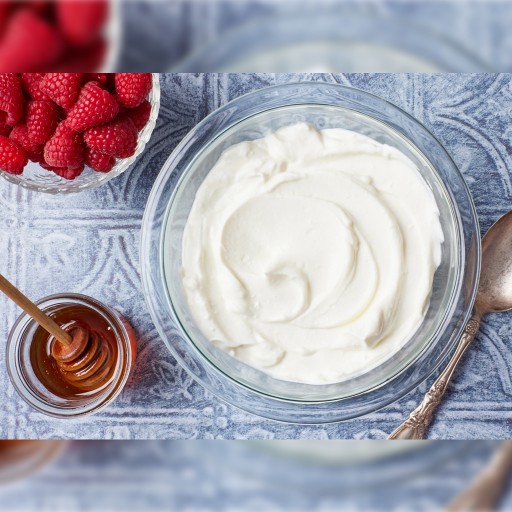
Greek yogurt has a thick, creamy texture, like silk or satin. Due to its unique whey-removal process, it contains more protein and probiotics than regular yogurt. It acts like a gentle yet powerful guardian, steadily delivering “friendly residents” such as lactobacilli and bifidobacteria to help maintain gut microbial balance.
How to Enjoy:
Classic Breakfast: A cup of thick Greek yogurt, topped with fresh berries (blueberries, raspberries, strawberries), a sprinkle of toasted almond slices or walnut pieces, and a drizzle of natural honey. The tartness of the berries, the crunch of the nuts, and the sweetness of the honey blend together to awaken your morning vitality.
Savory Dip: Mix Greek-style yogurt, chopped fresh dill, a small clove of crushed garlic, a splash of lemon juice, and olive oil for an excellent vegetable dip (cucumber sticks, carrot sticks, bell pepper strips) or a refreshing accompaniment to grilled meat.
Sauce Base: Use it as a substitute for sour cream or mayonnaise in salad dressings, mix with chopped herbs, and create a healthy, low-fat salad dressing to infuse green leafy vegetables with smooth vitality.
2. Energizing Drink: Kefir (Fermented Milk Wine)
Kefir is a more active fermented milk drink made from kefir grains (a composite culture containing yeast and a diverse range of bacteria). It has a unique flavor with a slight effervescence and a hint of wine aroma, and is rich in probiotics with enhanced activity. As lactose is broken down into smaller, more easily absorbed molecules, the dairy becomes gentle and approachable, even for those with lactose intolerance.
How to Enjoy:
Ready-to-Drink: Chill and drink directly for a quick and convenient way to replenish probiotics. Add a touch of maple syrup or fresh fruit puree (such as mango or peach) to enhance the flavor.
Smoothie Base: Use kefir instead of milk or regular yogurt to make a smoothie, adding banana, spinach, chia seeds, etc., to create a nutrient-rich and energizing beverage.
Oat Soaking Liquid: Mix kefir with oatmeal and refrigerate overnight. In the morning, the oats will be softened. Add your favorite fruits and nuts for a quick and delicious meal.
3. Aged Flavor: Aged Cheese
Certain hard cheeses that have undergone prolonged aging, such as aged Parmesan or Cheddar, also contain active probiotics (such as Lactobacillus helveticus) during fermentation and aging. Their rich and complex flavors make them an excellent accompaniment to salads, pasta, or as a direct pairing with wine.
How to Enjoy:
Grating for Flavor: Grate aged hard cheese into fine shavings and sprinkle over hot pasta, vegetable soup, or roasted vegetables to instantly elevate the flavor with its rich, salty aroma.
Cheese Platter: As part of an elegant cheese platter, pair it with fig jam, nuts, and whole-grain crackers to enjoy its deep, complex texture and the benefits of probiotics.
Energy Balls: Mix grated aged cheese, nut pieces, a handful of dried fruit, and oats into small balls, chill to set, and enjoy as a healthy snack rich in energy and probiotics.
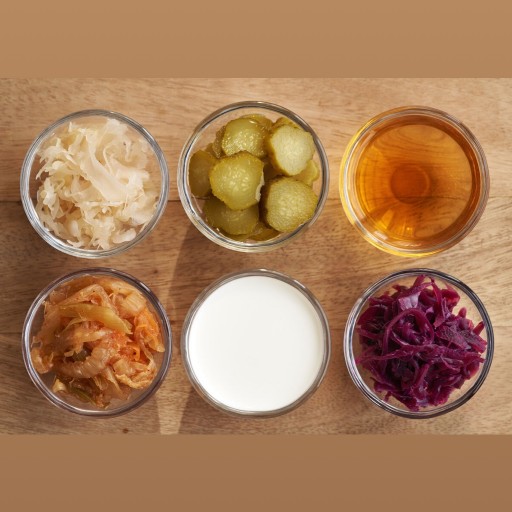
Fermented Plants: The “Living” Treasure of the Vegetarian World
The plant kingdom also holds a wealth of fermented treasures. These fermented vegetables and legumes are not only flavor enhancers but also excellent sources of probiotics and dietary fiber.
1. Crisp and Refreshing: Traditional Pickled Vegetables
Pickled vegetables are a classic dish made by fermenting cabbage with salt and its own lactic acid bacteria. They retain the crispness of vegetables, with a tangy and refreshing flavor, rich in vitamins C and K, and various probiotics. The organic acids produced during fermentation also aid digestion.
How to Enjoy:
Hot Dog/Burger Companion: A classic pairing that adds a bright, tangy crunch to rich meats.
Salad Enhancer: Add a few spoonfuls of pickled vegetables to green leaf salads or potato salads to instantly elevate the flavor profile and vibrancy.
Stew Enhancer: Add an appropriate amount of pickled vegetables and their brine to stewed meats (such as pork knuckle or sausages) or bean soups to impart a unique tangy aroma to the dish.
2. Spicy Fermented: Korean Kimchi
Korean kimchi is a vibrant dish made primarily from vegetables like cabbage and radish, combined with chili powder, garlic, ginger, fish sauce (or shrimp paste), and other rich seasonings, then fermented with lactic acid bacteria. It has a tangy, spicy, salty, and umami flavor profile, with diverse bacterial strains and is rich in vitamins and antioxidants.
How to Enjoy:
Side Dish: Enjoy as an appetizer to awaken the palate.
The Soul of Fried Rice/Noodles: Chopped kimchi is the essential ingredient for fried rice and noodles (such as Korean kimchi fried rice), imparting a rich, spicy flavor to the main dish.
The Foundation of Soups: It is an indispensable flavorful base for classic soups like kimchi tofu soup and kimchi stew, with the aroma of fermented bacteria wafting through the steaming broth.
Creative filling/dip: Try it as a filling for omelets or sandwiches, or mix it with Greek yogurt or mayonnaise to create a unique dip.
3. Eastern Wisdom: Miso
Miso is a paste-like seasoning made from soybeans (sometimes with added rice or barley) fermented over a long period with mold, yeast, and lactic acid bacteria. It has a rich, complex flavor, combining saltiness with a hint of sweetness, and is rich in protein, probiotics, and various beneficial enzymes produced during fermentation.
How to Enjoy:
Soulful Broth: Miso soup made with miso paste is a classic. Dissolve the miso paste in a small amount of hot broth, then pour it back into the pot (avoid boiling to preserve flavor and probiotics), and add tofu, seaweed, mushrooms, and scallions.
Pickling Magic: Miso is an excellent marinade for meats (salmon, chicken) or root vegetables (carrots, radishes), imparting a deep, umami-rich flavor to the ingredients.
Sauces and Dips: Diluted miso can be added to salad dressings, stir-fry sauces, or used as a dip to enhance the unique umami flavor.
4. The Essence of Beans: Natto
Natto is a unique food made by fermenting steamed soybeans with natto bacteria. Its distinctive sticky threads and strong odor may take some getting used to for first-time eaters, but it is highly nutritious, rich in high-quality protein, vitamin K2, nattokinase (beneficial for cardiovascular health), and probiotics.
How to Enjoy:
Classic Japanese Breakfast: Top a bowl of hot rice with natto, drizzle with a little soy sauce or Japanese sauce, sprinkle with chopped scallions, and quickly stir until the threads form, then serve with miso soup.
Creative Rice/Noodle Mix: Mix natto with hot rice or noodles, add raw egg yolk, seaweed flakes, wasabi, etc., to create a unique flavor.
Salad Innovation: Mix a small amount of natto into green leaf salad to add protein and probiotics, creating a novel texture.
Fermented Beverages and Flavor Enhancers: More “Live” Options
The world of probiotics extends beyond solid foods; certain fermented beverages and condiments are also important supplementary sources.
1. A New Twist on Tea: Kombucha
Kombucha is a slightly acidic, slightly carbonated probiotic beverage made by fermenting sweetened black or green tea using “SCOBY” (a symbiotic culture of bacteria and yeast). It comes in various flavors (original, fruit-flavored, etc.) and contains active probiotics, organic acids, and small amounts of B vitamins.
Consumption Methods:
Chilled and drunk directly: As a daily beverage alternative to sugary sodas, enjoy its refreshing, slightly effervescent taste.
Cocktail mixing: As a base for non-alcoholic cocktails or as a substitute for soda water in alcoholic cocktails, adding layers of flavor.
2. Flavor Enhancer: Live-Culture Apple Cider Vinegar
Some unpasteurized apple cider vinegar containing “mother of vinegar” (a gelatinous substance composed of acetic acid bacteria and yeast) also contains trace amounts of probiotics. Its sharp acidity is commonly used for seasoning.
Usage:
Salad Dressing: Mix with olive oil, mustard, herbs, etc., to create a healthy vinaigrette.
Beverage blending: Add a teaspoon to warm or cold water, and optionally sweeten with a touch of honey (note: protect tooth enamel).
3. Ancient Grain Drink: Kefir
Kefir is also commonly fermented using plant-based ingredients like coconut milk or almond milk, offering lactose-intolerant or vegan individuals a plant-based option rich in probiotics.
Incorporate into daily life: Make “live” foods a habit
Incorporating probiotic foods naturally into your life is all about consistency and variety:
Breakfast starter: A cup of kefir smoothie, or a bowl of Greek yogurt with berries and nuts.
Lunch accompaniment: Add a spoonful of pickled vegetables or a few slices of kimchi to a sandwich; sprinkle aged cheese shavings over a salad and dress with miso vinaigrette.
Dinner Enhancement: Miso soup as a starter; serve kimchi or pickled vegetables with grilled meat; mix natto with rice.
Snacks and snacks: A cup of kombucha; a few pieces of cheese with fruit; homemade kefir oatmeal cups.
Cooking tips: Make good use of fermented condiments—kimchi fried rice, miso-marinated salmon, pickled vegetable stew.
Let a small cup of rich kefir awaken your morning, let a few slices of crisp, tangy pickled vegetables enhance your midday sandwich, and let a spoonful of savory, umami-rich miso release the gifts of the sea and time in your dinner soup. Every small choice is a gentle nourishment for the hidden garden of your gut.
The flourishing of this garden will ultimately reward us with a stronger immune system, smoother digestion, and a clearer mind and body. Food is not merely sustenance; it is a dialogue and nourishment between life and life. From today onward, cherish the “living” flavors on your plate, and let every bite of food be a gentle tribute to your body.
 1
1 1
1OTHER NEWS
-
- Trump reignites tariff war, global supply chains face another shakeup
- By ZXY 28 Jul,2025

-
- Should you Choose a Real Estate Agent When Buying a Home?
- By Wendy 24 Apr,2023

-
- How much longer can the eurozone hold out? The ECB has reached the end of its rate hike cycle
- By ZXY 01 Aug,2025

-
- How much longer can the seven tech giants of the US stock market withstand high interest rates?
- By ZXY 28 Jul,2025

-
- Real Estate Investment Needs to be Careful!
- By Little Grapes 24 Apr,2023

-
- Yield Curve Inversion Resurfaces: Is There Still Hope for a Soft Landing in the U.S. Economy?
- By ZXY 31 Jul,2025

-
- With China's exports declining, is the global consumption chain beginning to break?
- By ZXY 31 Jul,2025

-
- Credit card points and rewards seem cost-effective, but they actually hide these traps
- By ZXY 01 Sep,2025

-
- "Buy Now, Pay Later" is changing the consumer finance landscape: a payment revolution spreading around the world
- By ZH 25 Jul,2025

-
- How to Effectively Manage Debt: Strategies for Balancing Payments and Savings
- By YCY 07 Jan,2026

-
- Why Do Most People Overlook “Cash Flow Risk”?
- By ZXY 11 Oct,2025

-
- Do small businesses really need tax services? When can they file their own taxes?
- By YCY 27 Jan,2026