How Does Botox Work on Facial Muscles? A Simple Scientific Explanation
Botox is widely known for its ability to effectively reduce facial wrinkles, yet many remain unclear about what actually happens beneath the skin after injection. Understanding how Botox works is crucial, especially when considering treatment or seeking informed choices about facial aging concerns.
Rather than viewing Botox as a mysterious cosmetic treatment, it's better understood as a medical tool that temporarily alters the way certain facial muscles move. Botox is a purified form of botulinum toxin type A, a toxin produced by the bacterium Clostridium botulinum.
While large doses of this toxin can cause severe illness, it has been used safely in medicine for decades in extremely small, controlled doses. Before Botox gained widespread cosmetic use, it was employed to treat conditions like muscle spasms, eye disorders, migraines, and hyperhidrosis.
How Facial Muscles Create Wrinkles
Understanding Botox's mechanism requires recognizing how facial expressions affect the skin. Unlike most muscles elsewhere in the body, facial muscles are unique. Many facial muscles attach directly to the skin rather than to bones at both ends.
When they contract, they pull on the skin, creating expressions like smiles, squints, or frowns. In young skin, collagen and elastin allow the skin to smoothly return to its original position after each expression. However, over time, skin thins and loses elasticity.
Even when the face is at rest, repeated muscle movements leave visible creases. These wrinkles are categorized as dynamic wrinkles (appearing with facial expressions) and static wrinkles (visible even when the face is relaxed).
Botox works by inhibiting the muscle activity that causes dynamic wrinkles, thereby preventing them from deepening. In facial treatments, the target is not the skin itself but the small muscles beneath it that form expression lines.
Wrinkles like forehead lines, glabellar lines, and crow's feet develop due to the prolonged, repetitive contraction of specific muscles. Botox works by temporarily reducing the activity of these muscles.
The Science Behind It
The key to Botox's effectiveness lies in how muscles receive nerve signals. Typically, when you decide to move a muscle, your brain sends a signal to the muscle via nerves. At the junction where the nerve meets the muscle (called the neuromuscular junction), a chemical messenger called acetylcholine is released.
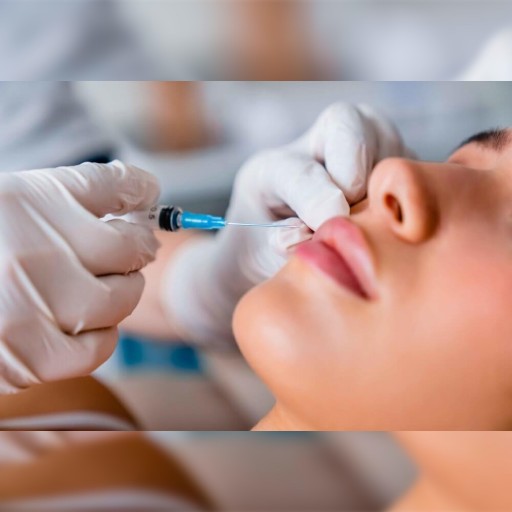
This chemical signals the muscle to contract. Botox works by interfering with this process. After injection, the toxin enters the nerve endings near the muscle and blocks the release of acetylcholine. Without this chemical signal, the muscle cannot contract forcefully.
The muscle itself is not damaged, nor are the nerves destroyed. Instead, the transmission of signals between the nerve and muscle is temporarily weakened. Consequently, the targeted muscle relaxes. As the skin is no longer repeatedly pulled, existing wrinkles become less pronounced, and the formation of new wrinkles is reduced during the period of decreased movement.
After Botox injection, it typically takes several days for the toxin to begin interacting with the nerve endings and for noticeable results to appear. Most people begin noticing changes within 3 to 5 days, with peak results appearing around 10 to 14 days.
During this period, the treated muscles gradually lose their ability to fully contract. For example, if Botox is injected into the muscles causing frown lines, you may find you can no longer furrow your brow as deeply as before.
The skin above the muscle appears smoother because it is no longer subjected to repeated pulling. Surrounding muscles remain unaffected unless specifically treated. This is why precise injection technique is crucial.
Why the Effects Are Temporary
One key characteristic of Botox injections is that their effects are not permanent. Over time, the body naturally restores the connection between nerves and muscles. This occurs as nerve endings gradually form new pathways to release acetylcholine again.
For most people, muscle activity begins to return after approximately three to four months. Some may experience slightly longer or shorter durations, depending on factors like metabolism, muscle strength, and treatment frequency.
As muscle movement resumes, wrinkles may gradually reappear. However, repeated treatments can sometimes help slow wrinkle deepening, as muscles contract less forcefully over time with age. When used appropriately, Botox does not “freeze” the entire face. Instead, it reduces the intensity of specific facial movements, thereby diminishing wrinkle formation. For example:
* Forehead lines may appear less pronounced when raising the eyebrows.
* Frown lines between the eyebrows may become less noticeable.
* Crow's feet may soften when smiling or squinting.
Common Treatment Areas and Target Muscles
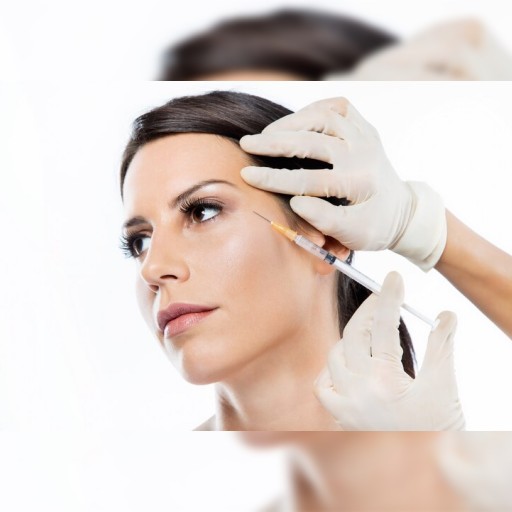
Different facial wrinkles are caused by different muscles, and Botox works by targeting these specific muscle groups.
* Forehead lines: Caused by the frontalis muscle, which lifts the eyebrows.
* Glabellar lines (between the eyebrows): Caused by the corrugator supercilii and depressor supercilii muscles, which pull the eyebrows downward and inward.
* Crow's feet: Caused by the orbicularis oculi muscle, which surrounds the eyes.
By selectively weakening these muscles, Botox reduces skin folds, thereby diminishing the appearance of wrinkles. Since Botox acts at the neural level, precise dosing is crucial. In cosmetic applications, doses are extremely small and administered locally.
When injected correctly, the toxin does not spread significantly throughout the body. Common temporary side effects may include mild swelling, redness, or bruising at the injection site. In rare cases, unintended muscle relaxation—such as slight eyelid drooping—may occur, though this is typically transient and resolves as the medication metabolizes.
Practically speaking, Botox should be viewed as a medical procedure rather than routine cosmetic care. The physician's experience, understanding of facial anatomy, and conservative dosing are all critical to achieving balanced treatment results.
The most practical approach to viewing Botox injections is as a temporary adjustment to muscle activity rather than a permanent alteration of appearance. This treatment can reduce the intensity of certain muscle contractions, allowing the skin an opportunity to rest.
Over time, this can soften the appearance of facial wrinkles and contribute to smoother skin. However, Botox does not halt the aging process, directly improve skin texture, or replace good skincare habits. Sun protection, a healthy lifestyle, and realistic expectations remain key factors influencing long-term facial aging.
 1
1 1
1OTHER NEWS
-
- Trump reignites tariff war, global supply chains face another shakeup
- By ZXY 28 Jul,2025

-
- Should you Choose a Real Estate Agent When Buying a Home?
- By Wendy 24 Apr,2023

-
- How much longer can the eurozone hold out? The ECB has reached the end of its rate hike cycle
- By ZXY 01 Aug,2025

-
- How much longer can the seven tech giants of the US stock market withstand high interest rates?
- By ZXY 28 Jul,2025

-
- Real Estate Investment Needs to be Careful!
- By Little Grapes 24 Apr,2023

-
- Yield Curve Inversion Resurfaces: Is There Still Hope for a Soft Landing in the U.S. Economy?
- By ZXY 31 Jul,2025

-
- With China's exports declining, is the global consumption chain beginning to break?
- By ZXY 31 Jul,2025

-
- Credit card points and rewards seem cost-effective, but they actually hide these traps
- By ZXY 01 Sep,2025

-
- "Buy Now, Pay Later" is changing the consumer finance landscape: a payment revolution spreading around the world
- By ZH 25 Jul,2025

-
- How to Effectively Manage Debt: Strategies for Balancing Payments and Savings
- By YCY 07 Jan,2026

-
- Why Do Most People Overlook “Cash Flow Risk”?
- By ZXY 11 Oct,2025

-
- Do small businesses really need tax services? When can they file their own taxes?
- By YCY 27 Jan,2026