Spices That Changed the World: A Journey Through History
In today's kitchens, when you use those unassuming bottles of spices, you might never imagine that these tiny flakes and powders once sparked wars, built empires, and connected entire continents. Centuries ago, these spices were priceless treasures—guarded by merchants, hunted by explorers, and coveted by kings.
The aromas wafting from our tables today once carried the scent of adventure, ambition, and discovery. Spices shaped trade routes, defined cuisines, and even altered how people understood the world.
When Flavor Became Treasure
To grasp how spices transformed the world, imagine an era of simple sustenance—when people lived off what they grew or hunted, and food spoiled easily. Salt was precious, herbs were local, and frankly, meals could be rather bland.
Then someone discovered that certain roots, seeds, and barks could transform not just flavor, but the very atmosphere of a meal. They added warmth, color, and depth—some even extended food's shelf life or cured ailments. It was like discovering magic in the kitchen.
Take cinnamon, for instance, derived from the inner bark of a tree native to Sri Lanka and southern India. When ancient Egyptians obtained it, they used it not only for cooking but also in embalming rituals, perfumes, and medicines. To them, cinnamon's scent was divine.
Meanwhile, in China, cinnamon was documented over 4,000 years ago as both a spice and a medicinal herb. Back then, you couldn't simply walk into a store to buy it. Cinnamon passed through countless hands—merchants, sailors, traders—before reaching markets in Rome or Athens, where its price was affordable only to the wealthy.
The allure of spices lay not just in flavor or status. They represented something deeper—a connection to mysterious lands beyond the horizon. Having spices in your kitchen meant you inhabited a world far vaster than your own village. You tasted distant forests, mountains, and oceans. Each bite carried a story, and these tales traveled thousands of miles.
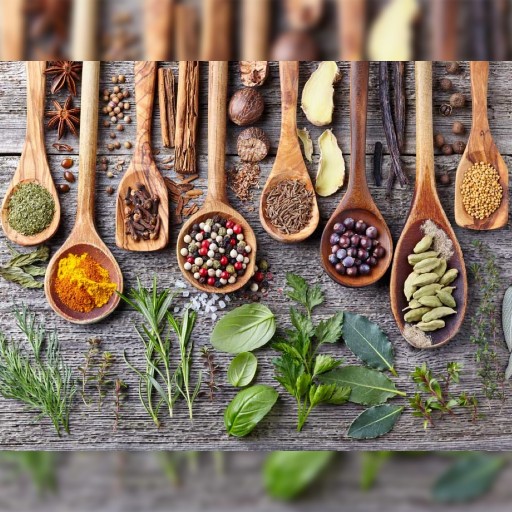
The Great Spice Routes
If you've ever wondered why explorers risked their lives sailing into uncharted seas, the answer is often simple: spices. They weren't initially chasing gold or fame, but the pursuit of flavor. By the Middle Ages, Europeans were already captivated by spices.
Black pepper, cloves, nutmeg, ginger, and saffron filled kitchens and medicine cabinets, yet their origins remained a closely guarded secret. Arab and Venetian merchants controlled the spice trade, driving prices so high that a few ounces could pay a week's wages.
For centuries, the link between Europe and Asia was a winding route of caravans and sea voyages—the “Spice Route”—stretching from India and Indonesia, across the Arabian Peninsula, and finally to the Mediterranean.
When Christopher Columbus crossed the Atlantic in 1492, he wasn't seeking a new continent but a shortcut to the Spice Islands. On his deathbed, he still believed he had found Asia, unaware that he had accidentally discovered the Americas.
Yet his voyage launched an era of exploration that would reshape the world map. Soon after, Vasco da Gama set sail from Portugal, becoming the first European to reach India by sea in 1498. His circumnavigation of Africa opened the floodgates of global trade and established Portuguese dominance in the spice market.
From that point, events unfolded rapidly. The Portuguese established forts and trading posts along the Indian Ocean coast, followed closely by the Dutch and British vying for control. The Spice Islands—present-day Indonesia—became the epicenter of this fierce competition.
Nutmeg, cloves, and mace grew there and nowhere else, making these islands among the most valuable lands on Earth. The Dutch even waged war to monopolize nutmeg production, guarding nutmeg trees so fiercely that anyone caught smuggling seeds risked execution.
This was no longer merely about food. The spice trade reshaped political, economic, and even geographical landscapes. It gave birth to colonial empires, global navigation, and cultural exchange. The world grew smaller and more interconnected—all because people wanted their food to taste better.
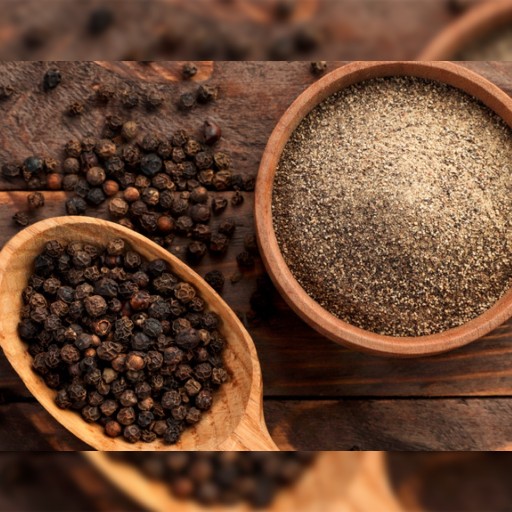
Every aroma tells a story
When you open your spice rack, you might not realize each jar holds fragments of human history. Let's trace the journeys of some of the most influential spices—cinnamon, pepper, saffron, nutmeg, and cloves.
*Cinnamon—the most mysterious spice in the ancient world. In medieval Europe, no one knew its origin. Merchants spun fantastical tales, claiming cinnamon was gathered by giant birds from nests on towering cliffs or guarded by serpents in distant lands. These legends kept cinnamon prices sky-high and fueled curiosity.
It wasn't until the 16th century that explorers discovered its true origins—Sri Lanka and southern India. Even today, cinnamon's sweet, woody aroma evokes warmth, comfort, and nostalgia. For centuries, it has symbolized wealth and divine favor.
*Black Pepper—Often called the “King of Spices,” pepper transformed the world in ways few other ingredients could match. Its heat and pungency can elevate bland foods to something truly memorable, but its true power lies in its economic impact.
Pepper corns were once worth their weight in gold, treasured as gifts for royalty, and even used to pay dowries. Today, it's the world's most common spice, appearing on nearly every table.
*Saffron—If pepper is the king of spices, then saffron is the queen—exquisite, luxurious, and exceedingly rare. It comes from the dried stigma of the saffron crocus, with each flower yielding only a few threads. Producing one pound of saffron requires approximately 75,000 flowers, each handpicked at dawn.
Ancient Persians used it as perfume and dye; Greeks and Romans valued it as medicine and luxury; in medieval Europe, saffron was so costly it was sometimes traded mixed with gold.
*Nutmeg and Cloves—These spices share a turbulent history, both originating from the Banda Islands off the coast of Indonesia. In the 17th century, their value surpassed even gold. The Dutch East India Company (VOC) seized control of these islands, forcing locals into grueling labor and cutting down trees beyond their reach to maintain sky-high prices.
The British responded in kind, trading the island of Run—source of nutmeg—for Manhattan in 1667—arguably one of history's most astonishing deals. Over time, nutmeg's warm sweetness and cloves' rich aroma spread worldwide, infusing everything from baked goods to mulled wine.
Seasoning does more than add flavor; it imbues food with functionality. Though spices now cost mere pennies in any supermarket, their power remains undiminished. They continue to shape connections that transcend borders. What do a few grains of spice truly reveal? They demonstrate the immense power hidden within the smallest things.
They reveal how trade and curiosity can both unite and divide humanity. They show how flavor can bridge the world. The story of spices is not just about discovery and conquest—it's about connection. They remind us that no matter the distance, all cultures share a common desire: to make food not merely sustenance, but a gift that brings joy.
 1
1 1
1OTHER NEWS
-
- Should you Choose a Real Estate Agent When Buying a Home?
- By Wendy 24 Apr,2023

-
- Watch out for the Following Credit Card Scams!
- By Wendy 24 Apr,2023

-
- Fixed deposits are not as good as flexible financial management? Analysis of financial management trends in 2025
- By ZH 24 Jul,2025

-
- Why Do Most People Overlook “Cash Flow Risk”?
- By ZXY 11 Oct,2025

-
- Do small businesses really need tax services? When can they file their own taxes?
- By YCY 27 Jan,2026

-
- Who is the Primary Lender When Applying for a Home Loan? These Points are Important!
- By Little Grapes 24 Apr,2023

-
- Global manufacturing is slowing down in tandem. When will deflation strike?
- By ZXY 01 Aug,2025
-
- Is German manufacturing losing its edge? The latest casualty of the US-China strategic rivalry
- By ZXY 29 Jul,2025
-
- How to Avoid Being Scammed by Credit Card Fraud!
- By Wendy 24 Apr,2023

-
- Real Estate Investment Needs to be Careful!
- By Little Grapes 24 Apr,2023

-
- What does the upgraded regulation of digital currencies mean to investors?
- By ZH 25 Jul,2025

-
- How much longer can the seven tech giants of the US stock market withstand high interest rates?
- By ZXY 28 Jul,2025