Fermented Foods Around the World: Flavor Traditions
Strolling through bustling markets, shelves overflow with jars of pickled vegetables, bubbling soy sauces, and rich dairy products. The air carries a symphony of earthy scents—a tangy blend of sweet and sour—whispering the secrets of human ingenuity.
From the fiery kick of Korean kimchi to the tangy crunch of German sauerkraut, every culture has its own unique way of transforming simple ingredients into magical flavors.
When you spread yogurt on your breakfast toast or sip kombucha, you may not realize you're savoring a tradition thousands of years old—one that not only preserved food before refrigeration but also nourished health and connected people.
Fermentation is more than a cooking method; it's a bridge connecting ancestral wisdom to modern rhythms, where flavor, culture, and well-being converge in every bite.
The Ancient Magic of Fermentation
If you've ever opened a jar of homemade kimchi and heard that soft “pop,” you've witnessed fermentation's magic. Long before humans understood the nature of bacteria or yeast, they discovered that placing food under specific conditions could make it “come alive”—altering its flavor, texture, and shelf life.
Simply put, fermentation is nature's flameless cooking method. Microorganisms like lactic acid bacteria or yeast begin breaking down sugars and starches in food, producing acids or alcohol that inhibit harmful bacteria growth.
You might be surprised by how widespread this process is. From Asia to Africa to Europe, fermentation was independently discovered around the world—often by accident. An ancient Chinese farmer noticed leftover cabbage stored in clay pots over winter had turned sour yet remained delicious.
Or a Middle Eastern shepherd observed milk wrapped in animal skins thickened and developed a rich flavor. These early “mistakes” became the foundation of entire culinary systems.
Fermentation's magic lies in its vitality. Unlike boiling or frying, which kill bacteria, fermentation harnesses life—beneficial microbes—to work for you. It's a collaboration between humans and nature. You provide the food and suitable environment; microorganisms do the rest. The result? Food lasts longer, tastes richer, and becomes easier to digest.
Over time, fermentation evolved beyond mere preservation into a cultural identity. Each region developed its own signature dishes based on climate and available ingredients. Warmer countries often fermented faster, producing spicy, robust condiments, while cooler climates favored slower fermentation, yielding foods like sauerkraut or cheese.
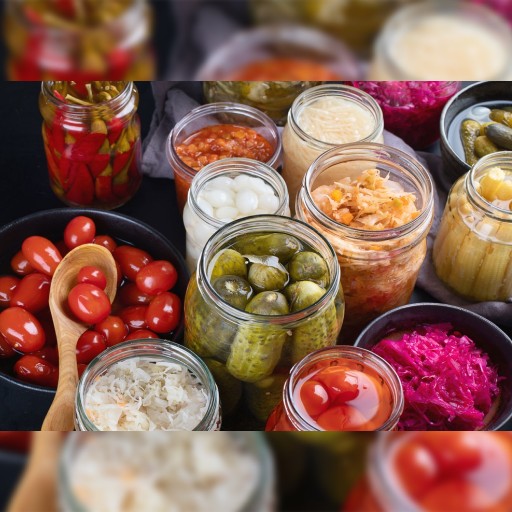
Kimchi, Soy Sauce, and Rice Wine
If there's one place where fermentation has truly become an art form, it's Asia. It's almost impossible to imagine Asian cuisine without fermented elements—soy sauce, miso, tofu, rice wine, or pickled vegetables. Every bite holds centuries of wisdom.
Take kimchi, for instance. You might picture the bright red cabbage on Korean tables, but in reality, kimchi comes in hundreds of varieties—made with radish, cucumber, or even mustard greens. Traditionally, families prepare kimchi in late autumn, gathering to chop vegetables, layer them, and season with chili peppers, garlic, and ginger.
They pack the kimchi tightly into earthenware jars, bury them underground, and let them ferment slowly through the winter. When you take that first bite of crisp kimchi, you taste not just the spices, but history—the warmth of shared labor, the comfort of surviving harsh winters, and the joy of family reunions.
Beyond its delicious flavor, kimchi is rich in probiotics, beneficial bacteria that support gut health and boost immunity.
Soybeans, often considered unassuming legumes, transform through fermentation into miso, soy sauce, and natto. Each has its own story. Miso, a savory paste used in soups and marinades, is fermented from soybeans, salt, and a special fungus called koji.
Its flavor deepens over time—fresh miso tastes light and sweet, while aged miso becomes dark, rich, and brimming with umami. Meanwhile, soy sauce, that dark, savory elixir, requires months of fermentation to develop its complex, smoky aroma.
Then there's Chinese rice wine, an essential for both cooking and celebrations. Known as huangjiu or Shaoxing wine, it ferments glutinous rice with yeast and mold. This craft, dating back over 2,000 years, transforms rice into a golden liquid that elevates dishes and warms bodies in winter.
Often enjoyed during festivals and family gatherings, it reminds us that fermentation isn't just about sustenance—it's about connection.

Europe's Sweet-and-Sour Treasures
Crossing over to Europe, you'll find fermentation deeply woven into the continent's culinary traditions. Fermentation has long been Europeans' remedy for cold winters and limited growing seasons. When fresh produce was scarce, people harnessed bacteria and yeast to help them survive.
One of the most famous examples is sauerkraut, that crisp, tangy fermented cabbage that pairs perfectly with sausages and stews. Its origins trace back to ancient times, likely influenced by Chinese cooking methods introduced to the West along trade routes.
The process is simple: shred cabbage, add salt, then let nature do the rest. After weeks, lactic acid bacteria multiply, preserving the cabbage and imparting its distinctive tang. Sauerkraut isn't just delicious; it's rich in vitamins C and K and aids digestion.
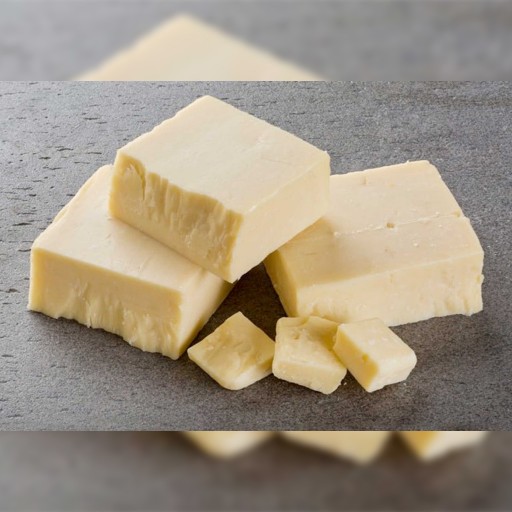
Then there's cheese, perhaps Europe's most beloved fermented food. From France's soft Brie to Italy's aged Parmesan, cheese stands as a masterpiece of microbial artistry. It begins with milk, but with the help of bacteria and enzymes, transforms into an endless array of textures and flavors.
Each region has developed its own specialties—influenced by local animals, climate, and craftsmanship. Cheese is more than just food; its identity, history, and pride are all wrapped up in that rind.
Don't forget sourdough, making a resurgence in modern kitchens. Unlike store-bought bread relying on quick yeast, sourdough uses a natural leavening agent—a living culture of wild yeast and bacteria.
When you knead and bake it, you're working with a living organism that breathes and grows. Its tangy flavor and chewy texture come from slow fermentation, which also makes it easier to digest. Fermentation also plays a vital role in European beverages.
Take beer, for instance: its bubbles and rich flavor are thanks to yeast fermentation—a discovery that turned grains into a delight centuries ago.
Africa, the Middle East, and the Americas
Fermentation is ubiquitous—it knows no borders. In Africa, you'll find foods like Ethiopia's injera, a spongy, slightly sour flatbread made from fermented teff flour. It serves as both plate and utensil, holding stews and vegetables.
Fermentation imparts a gentle tang that perfectly complements spicy dishes while boosting the bread's nutritional value. Similarly, in Nigeria and Ghana, people enjoy ogi or kenkey, a fermented corn porridge that is both filling and easy to digest. These foods embody a practical genius—turning simple grains into sustainable, wholesome staples.
In the Middle East, fermentation enriches daily diets. Laban, a fermented yogurt, serves as a primary beverage to cool the body in hot climates. Pickled turnips, rendered bright pink by beet juice, add color and flavor to salad sandwiches. Even traditional beverages like
Turkey's boza—a thick, slightly alcoholic millet drink—demonstrate how fermentation intertwines with hospitality and warmth. Sharing fermented foods is an act of generosity, a symbol of welcome that spans generations.
Across the Atlantic in the Americas, indigenous peoples were fermenting long before European colonizers arrived. Ancient South American civilizations brewed chicha, a fermented corn beverage still enjoyed during festivals.
In Mexico, pulque—made from fermented agave juice—was once considered sacred, used in offerings to deities and rituals. Later, European colonists introduced their own traditions, creating a fusion of old and new—from San Francisco's sourdough bread to the sauerkraut in Pennsylvania German kitchens.
Even in the Caribbean, fermentation gave birth to rum, where sugarcane juice or molasses, transformed by yeast and time, became golden liquor.
Though worlds apart, each region discovered the same truth: patience, warmth, and the right ingredients transform food into something more delicious. Growing evidence suggests fermented foods also regulate the immune system.
A nutritionally rich gut microbiome reduces inflammation and strengthens the body's defenses. In modern society, where stress, pollution, and processed foods disrupt internal balance, fermentation offers a natural pathway to restore harmony between body and mind.
Fermentation transcends science and health, embodying profound cultural significance. Generations have gathered around the rituals of crafting and sharing fermented foods. This process teaches patience, respect for time's passage, and appreciation for imperfection. Fermentation cannot be rushed; it must unfold naturally. This waiting and yielding mirrors life itself.
 1
1 1
1OTHER NEWS
-
- With China's exports declining, is the global consumption chain beginning to break?
- By ZXY 31 Jul,2025

-
- Should you Choose a Real Estate Agent When Buying a Home?
- By Wendy 24 Apr,2023

-
- Gold surges to a new all-time high—what are investors afraid of?
- By ZXY 29 Jul,2025

-
- Trump reignites tariff war, global supply chains face another shakeup
- By ZXY 28 Jul,2025

-
- High-yield stocks vs. growth stocks: Which type of investment is more resistant to risks? A game of wealth defense and offense
- By ZH 23 Jul,2025

-
- Yield Curve Inversion Resurfaces: Is There Still Hope for a Soft Landing in the U.S. Economy?
- By ZXY 31 Jul,2025

-
- Mobile phone is the bank: one-click account opening, one-click financial management, digital financial life is coming
- By ZH 24 Jul,2025

-
- How do I Choose Between Selling my Home and Renting it out?
- By Wendy 24 Apr,2023

-
- How much longer can the eurozone hold out? The ECB has reached the end of its rate hike cycle
- By ZXY 01 Aug,2025

-
- Do small businesses really need tax services? When can they file their own taxes?
- By YCY 27 Jan,2026

-
- How to Avoid Being Scammed by Credit Card Fraud!
- By Wendy 24 Apr,2023

-
- How much longer can the seven tech giants of the US stock market withstand high interest rates?
- By ZXY 28 Jul,2025