The Hidden Health Risks of Elderly People Watching TV for Extended Periods
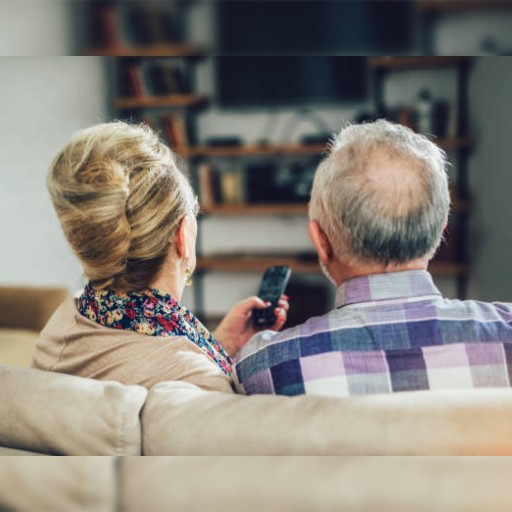
After dinner, nothing beats curling up with a good show. Many people, especially those who've retired, find comfort in the soft glow of the television—it's the perfect companion to fill the quiet afternoons and long nights.
It's relaxing, familiar, and easygoing. But what if this comforting habit is quietly taking a toll on your physical and mental well-being? You might not notice it right away—a little stiffness here, a bit of forgetfulness there—but over time, those hours spent in front of the screen take an invisible toll.
The Threat of Sedentary Living
Picture this: You finish dinner, turn on your favorite show, and before you know it, two or three episodes have flown by. You've been sitting for hours without realizing it. For many older adults, this happens daily.
It feels harmless enough—but here's the problem: prolonged sitting is one of the biggest risk factors for health issues in the aging process. Your body simply isn't designed for extended periods of stillness.
When you sit motionless for long stretches, your blood circulation slows down, especially in your legs. This leads to swelling, stiffness, and even increases the risk of deep vein thrombosis—dangerous blood clots that form in the legs and can travel to the lungs. Prolonged sitting also weakens your muscles, especially those that keep you stable and upright.
That's why some people feel unsteady or tire easily even on short walks—their muscles are losing tone simply because they aren't getting enough exercise.
Moreover, prolonged sitting harms heart health, elevates blood sugar levels, and can even lead to obesity. Metabolism slows down, meaning the calories from snacks eaten while watching your favorite soap opera aren't effectively burned off.
It's like telling your body to “pause everything” for hours on end each day—it complies, and the consequences emerge slowly but steadily. Many older adults aren't aware of this. You tell yourself, “I'm just resting,” but your body interprets it as inactivity.
Weeks or even months pass, and this lack of movement quietly reshapes your health—rising cholesterol, stiff joints, fragile bones. This habit seems harmless, but its long-term effects are anything but.
Strain on Eyes and Ears
While watching TV, it's easy to forget your eyes and ears are working overtime. Bright, rapidly changing screens and loud background noise gradually wear them down. You might notice yourself gradually turning up the volume, squinting at subtitles because characters sound muffled, or finding the screen too dark.
These subtle adjustments often go unnoticed until they become daily necessities. Prolonged TV viewing exposes viewers to constant artificial light and motion. As we age, eyes naturally lose moisture and elasticity, making it harder to focus on objects at varying distances.
Staring at screens for extended periods without breaks leads to eye strain, dryness, and blurred vision. Some older viewers even experience headaches or dizziness after watching extended programs.
Moreover, since most people watch TV in dimly lit rooms, the contrast between the screen and background further exacerbates eye strain—much like oncoming headlights while driving at night.
Your ears face similar risks. Television audio is often unevenly mixed—dialogue may be soft while background music or commercials blast loudly. Constant exposure to sudden volume shifts can diminish hearing.
Turning up the volume to catch dialogue might feel necessary, but over time, this can lead to noise fatigue and even mild hearing loss. Ironically, the louder the volume, the more your ears adapt to it, making normal sounds seem muffled afterward. This subtle desensitization can cause social isolation as you start finding real-life conversations harder to follow.
The Slow Drift of Mind
At first glance, television seems like mental escapism—a way to pass time, stay connected, and be entertained. You might say, “Watching the news keeps me informed,” or “Sitcoms make me laugh; it's good for my mood.” To some extent, you're right.
But there's a fine line between entertainment and mental stagnation. The human brain thrives on interaction—conversing, learning, solving minor problems, moving around, adapting to change. Television, however, is a one-way conversation.
You sit and absorb information without responding. Day after day, this pattern diminishes mental stimulation. Studies link excessive TV viewing to slower cognitive processing and memory decline in older adults. This isn't to say TV makes you forgetful overnight; rather, your brain gets less practice in critical thinking, decision-making, and forming new connections.
You might notice this in subtle ways. Perhaps you forget where you put your glasses more often, or struggle to recall names that once came easily. Maybe you feel your mind slows when reading or conversing with others.
These aren't just signs of aging—they signal an underutilized brain. Emotionally, prolonged TV viewing can also alter mood and perception. Many programs rely on exaggerated drama or negative news, which can heighten anxiety or sadness.
Constant exposure to tragedy, crime reports, or conflict-driven storylines makes the world seem darker and more dangerous than it truly is. This fear or pessimism can spill over into daily life—you might start worrying more about safety, distrusting strangers, or avoiding social activities.

Social Isolation and Emotional Disconnection
Ironically, television—a window to the world—can also isolate you from it. Many older viewers report watching TV for companionship. It fills the silence, shows familiar faces, and creates an illusion of connection. Yet over time, it may replace genuine human interaction.
Think about it—how many times have you declined a neighbor's invitation for a walk because your favorite show was on, or missed a family call? These seemingly insignificant moments add up. Gradually, your social circle shrinks, and television becomes your primary companion.
Unlike humans, the TV doesn't respond to you, doesn't ask how your day went, and doesn't share laughter in real time. It offers comfort, but it can't connect with you.
Loneliness among the elderly has become a growing concern. Studies show it's directly linked to depression, anxiety, and even higher heart disease risk. Yet many seniors turn to screens for solace, unwittingly deepening their isolation.
The more time you spend in front of the TV, the less you practice the subtle emotional skills that come with conversation—listening, responding, empathizing. It's like a muscle: if you don't use it, it weakens.
Real companionship—the laughter over tea, casual chats with neighbors, playing with grandchildren—stimulates your emotions in ways no program can match. It keeps your brain active, opens your heart, and revitalizes your spirit. Yet television's lure often steals these opportunities, one episode at a time.
The Invisible Decline of the Body
Beyond visible health risks like stiff joints or poor posture, prolonged TV viewing triggers deeper physical changes. The body's natural systems rely on movement to function properly. When you sit for extended periods, digestion slows, appetite regulation becomes unbalanced, and blood sugar spikes more easily.
After long viewing sessions, you may feel bloated, drowsy, or even slightly dizzy—signals from your body that it needs activity.
For the heart, these effects are particularly alarming. Studies show that watching TV for over three hours daily significantly increases the risk of cardiovascular disease. Why? Prolonged sitting weakens the body's ability to regulate fat and sugar metabolism, leading to elevated triglyceride levels and insulin resistance.
Combine this with typical TV snacks—chips, sweets, or sugary drinks—and you're setting the stage for hypertension and weight gain.
Bones and posture suffer too. Many seniors curl up on couches or recliners, maintaining unnatural postures for hours. This strains the spine and weakens core muscles crucial for balance. Over time, this increases the risk of falls—a leading cause of injury among seniors.
Ultimately, the harm of prolonged TV viewing lies not in its content, but in what it replaces. It substitutes stillness for movement, silence for conversation, passivity for curiosity. Through daily micro-choices—standing, walking, chatting, laughing—you can reclaim health and vitality.
After all, the most beautiful scenes aren't on the screen. They unfold around you, waiting for you to look up and join in. Next time you reach for the remote, pause. Ask yourself: “Have I moved my body today? Have I spoken with someone? Have I gazed upon the real world instead of a screen?” If the answers are all no, it's time to take action.
 1
1 1
1OTHER NEWS
-
- With China's exports declining, is the global consumption chain beginning to break?
- By ZXY 31 Jul,2025

-
- Should you Choose a Real Estate Agent When Buying a Home?
- By Wendy 24 Apr,2023

-
- Gold surges to a new all-time high—what are investors afraid of?
- By ZXY 29 Jul,2025

-
- Trump reignites tariff war, global supply chains face another shakeup
- By ZXY 28 Jul,2025

-
- High-yield stocks vs. growth stocks: Which type of investment is more resistant to risks? A game of wealth defense and offense
- By ZH 23 Jul,2025

-
- Yield Curve Inversion Resurfaces: Is There Still Hope for a Soft Landing in the U.S. Economy?
- By ZXY 31 Jul,2025

-
- Mobile phone is the bank: one-click account opening, one-click financial management, digital financial life is coming
- By ZH 24 Jul,2025

-
- How do I Choose Between Selling my Home and Renting it out?
- By Wendy 24 Apr,2023

-
- How much longer can the eurozone hold out? The ECB has reached the end of its rate hike cycle
- By ZXY 01 Aug,2025

-
- Do small businesses really need tax services? When can they file their own taxes?
- By YCY 27 Jan,2026

-
- How to Avoid Being Scammed by Credit Card Fraud!
- By Wendy 24 Apr,2023

-
- How much longer can the seven tech giants of the US stock market withstand high interest rates?
- By ZXY 28 Jul,2025