Can Honey Be Heated at High Temperatures? The Truth About the 40°C Myth Revealed!
Waking up in the early morning, still half-asleep and lost in dreams, you think to yourself: “A cup of hot lemon honey water—now that's the healthy way to start the day!” You scoop a generous spoonful of golden honey, stir it into freshly boiled warm water, take a sip—but wait.
Suddenly, a warning flashes through your mind from something you read online: " Never heat honey above 40°C! It destroys all nutrients! It can even produce toxins!" You stare at the cup as if examining a crime scene: Did I just boil away all the goodness?
This so-called healthy morning ritual... is it all a scam? Before you start cursing the kettle and vowing never to touch hot drinks again, take a deep breath—let's talk about what really happens to honey when heated.
Where did this claim come from?
You've probably heard it countless times: “Honey must never be heated above 40°C.” This statement has circulated for years across the internet, cookbooks, health communities, and even café menus. It's as if 40°C marks the dividing line between “healing nectar” and “liquid poison.”
But seriously—where did this number come from? Did someone actually stick a thermometer into honey one day and declare: "Aha! This is the danger zone?" In reality, this figure stems from a mix of half-truths, misunderstandings, and a dash of exaggerated fear. It's true that honey contains heat-sensitive natural enzymes, vitamins, and antioxidants.
Scientists have found that when honey is heated for too long or at too high a temperature, certain fragile enzymes—like amylase and invertase—begin to break down. But the key point is that 40°C isn't some magical tipping point.
It's more like the starting point where activity begins to diminish, not the moment honey instantly self-destructs. In fact, even with a slight temperature rise—say, briefly reaching 50°C or even 60°C—most of honey's nutrients and benefits remain intact.

Why is honey so “delicate”?
Honey resembles a golden treasure chest—small, radiant, and full of surprises. Every drop contains a marvelous blend of natural compounds, making it one of Earth's most unique foods. Let's peek beneath its golden surface to uncover its secrets: Enzymes like amylase and invertase—which break down sugars.
Antioxidants—fighting free radicals. Vitamins and minerals like B2, B6, calcium, magnesium, and potassium. Aromatic compounds giving each honey its unique scent—floral, fruity, woody, even smoky! And of course, natural sugars—glucose and fructose—for a quick, gentle energy boost.
These nutrients are like tiny elves—sensitive, diligent, yet easily disturbed by extreme conditions. Prolonged exposure to excessively high temperatures can indeed cause some components to gradually dissipate. But note—40°C isn't a lethal temperature.
A gentle warm sun feels pleasant, but hours under blazing heat? That significantly diminishes its benefits. Honey is no different. Warm is fine, but prolonged boiling? Probably not the wisest choice.
What exactly happens to honey when heated?
Let's conduct a simple kitchen science experiment:
Suppose you have three spoonfuls of honey. One remains at room temperature. One is mixed into warm water (40-50°C). One is boiled at 100°C.
Now, let's uncover the mystery behind it:
Room Temperature: Honey remains stable for extended periods. Archaeologists have even discovered edible honey in ancient Egyptian tombs! (Truly remarkable. Still edible after millennia—that's the magic of honey.)
40-50°C: Some enzyme activity begins to diminish, though it continues to function. Flavors may actually become richer at this temperature—honey thrives on gentle warmth.
100°C (Boiling): Changes become noticeable. Some enzymes break down, aromas diminish, and flavors may caramelize or even turn bitter. While not “toxic,” it's no longer “raw honey.”
Therefore, heating honey above 40°C doesn't destroy its essence—it merely alters its properties. You might lose some of its original vibrancy, but it remains safe and delicious.
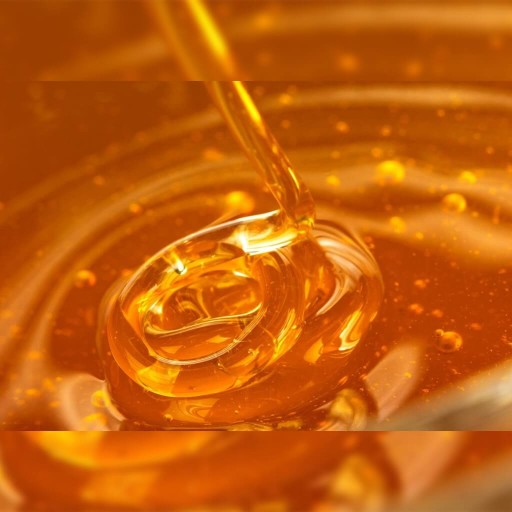
Is heated honey toxic? (No!)
This is the most exaggerated misconception of all—that heated honey turns into poison. People often mention a compound called HMF (hydroxymethylfurfural), which forms when honey is heated or stored long-term.
Sounds scary, right? But don't panic. HMF naturally forms when sugars break down during heating. It's not just in honey—it's also in bread crusts, coffee, caramel, and even fruit juices. It's everywhere in your daily diet.
The key lies in concentration. The HMF levels produced when you heat honey for tea or toast? Negligible—far below harmful levels. Scientists primarily use HMF as a freshness indicator, not a danger signal. So rest assured, warm honey water won't poison you.
When making honey drinks like lemon honey water or honey tea, use warm water, not boiling. 50-60°C is ideal—warm enough to be comforting without scalding your tongue. If the water is too hot to sip comfortably, it's also too hot for honey's delicate enzymes. But if it's pleasantly warm, that's perfect.
Heating or not, both have benefits
Even if some nutrients are lost during heating, honey remains one of the healthiest natural sweeteners. It offers: natural antibacterial properties (an excellent throat soother), a lower glycemic index than regular cane sugar, trace antioxidants that help the body combat stress, and natural moisturizing properties—locking in moisture to nourish skin and baked goods.
More importantly—that silky golden sweetness always adds a touch of happiness to life. Even when gently warmed, honey still delivers wonderful flavor and the energy boost your body needs. Drizzle it over yogurt and fruit, and you'll feel like you're in a gourmet commercial.
Stir it into tea and watch those edible art swirls form. Use it in a face mask and pretend you're practicing ancient beauty rituals. In these moments, would you pause to check the thermometer? Of course not! And guess what—you're still getting all the goodness.
To preserve honey's golden qualities, try these simple, fun tips: Store it in a cool, dry place away from direct sunlight. The pantry is ideal. Seal the lid tightly! Honey readily absorbs moisture, and excess air can cause fermentation.
Use lukewarm water instead of hot when mixing drinks, and avoid microwaving it directly. If crystallization occurs, simply soak the jar in warm water for a few minutes—it will regain its silky texture.
 1
1 1
1OTHER NEWS
-
- How much longer can the eurozone hold out? The ECB has reached the end of its rate hike cycle
- By ZXY 01 Aug,2025

-
- Is German manufacturing losing its edge? The latest casualty of the US-China strategic rivalry
- By ZXY 29 Jul,2025

-
- Trump reignites tariff war, global supply chains face another shakeup
- By ZXY 28 Jul,2025

-
- Credit card points and rewards seem cost-effective, but they actually hide these traps
- By ZXY 01 Sep,2025

-
- Fixed deposits are not as good as flexible financial management? Analysis of financial management trends in 2025
- By ZH 24 Jul,2025

-
- Yield Curve Inversion Resurfaces: Is There Still Hope for a Soft Landing in the U.S. Economy?
- By ZXY 31 Jul,2025

-
- How do I Choose Between Selling my Home and Renting it out?
- By Wendy 24 Apr,2023

-
- With China's exports declining, is the global consumption chain beginning to break?
- By ZXY 31 Jul,2025

-
- Why Do Most People Overlook “Cash Flow Risk”?
- By ZXY 11 Oct,2025

-
- How much longer can the seven tech giants of the US stock market withstand high interest rates?
- By ZXY 28 Jul,2025

-
- The widening U.S. fiscal deficit is fueling debt concerns
- By ZXY 30 Jul,2025

-
- Who is the Primary Lender When Applying for a Home Loan? These Points are Important!
- By Little Grapes 24 Apr,2023