Is dark chocolate really healthier than milk chocolate? The truth is more complicated than you might think
When it comes to chocolate, many people first think of "sweet, fragrant, and a guilty pleasure." However, with rising health awareness, more and more people are turning to dark chocolate, believing it to be healthier and more natural than milk chocolate.
Some even call it a "miracle antioxidant." But is this really the case? Is dark chocolate truly healthier than milk chocolate? Let's delve deeper into the nutritional content, health benefits, and potential risks.
1. Ingredient Differences: Cocoa Content is Key
The biggest difference between dark and milk chocolate lies in the proportion of cocoa solids.
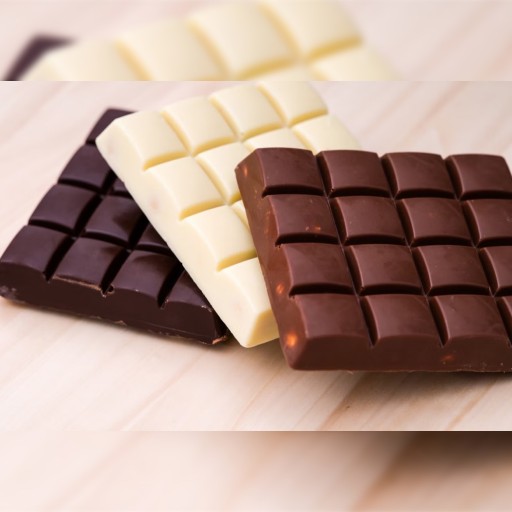
Dark chocolate typically contains over 70% cocoa solids (including cocoa liquor and cocoa butter), is low in sugar, and contains little or no dairy.
Milk chocolate, on the other hand, contains added milk powder, milk fat, and a higher amount of sugar, with a cocoa content typically ranging from 30% to 50%. Cocoa solids are the "soul" of chocolate, rich in natural antioxidants such as flavanols and cocoa polyphenols.
These ingredients have been shown to help lower blood pressure, improve vascular function, and reduce inflammation. In other words, dark chocolate's health reputation is primarily based on its high cocoa content.
However, if dark chocolate contains less than 50% cocoa or if large amounts of sugar or cream are added during processing, its health benefits diminish. In other words, not all products labeled "dark chocolate" are natural or healthy.
2. The Health Benefits of Dark Chocolate: A "Sweet Reason" Backed by Science
Cardiovascular Protection
Several studies have shown that cocoa flavanols can promote nitric oxide production, helping blood vessels relax and maintain elasticity, thereby helping to lower blood pressure. Long-term, moderate consumption of high-cocoa dark chocolate may help reduce the risk of heart disease and stroke.
Antioxidant and Anti-Inflammatory Capabilities
The polyphenols in dark chocolate have powerful antioxidant properties, helping to scavenge free radicals, reduce cellular aging and oxidative stress, and have potential benefits in slowing skin aging and maintaining a healthy immune system. Mood Enhancement and Stress Relief
Cocoa contains trace amounts of phenylethylamine and serotonin precursors. These compounds stimulate the brain's production of "happy hormones" and help improve mood. Many people experience a brief sense of relief when eating chocolate during times of anxiety, and there's a physiological basis for this.
Potential Cognitive Benefits
Some studies suggest that flavanols help improve blood circulation in the brain, potentially enhancing concentration and memory. However, the evidence is limited, and more long-term studies are needed to verify this.
3. Is Milk Chocolate Really "Wicked"?
Despite the popularity of dark chocolate, milk chocolate isn't without its advantages. In fact, it contains protein, calcium, and a certain amount of antioxidants. Due to its high milk content and smooth, sweet taste, milk chocolate is more accessible to the public, making it a more palatable option for children or those unaccustomed to bitter flavors.
However, the problem with milk chocolate is its high sugar and saturated fat content. Commercially available milk chocolate often contains over 50 grams of sugar per 100 grams, which can not only contribute to weight gain but also affect blood sugar stability. Furthermore, excessive sugar intake may offset the health benefits of cocoa itself.
Notably, studies have found that milk proteins may bind to cocoa polyphenols, reducing the absorption of antioxidants. This partly explains why dark chocolate has a stronger health image.
4.Health Matters Depends on "Quantity" and "Quality"
Even the healthiest foods can become a burden if consumed in excess.
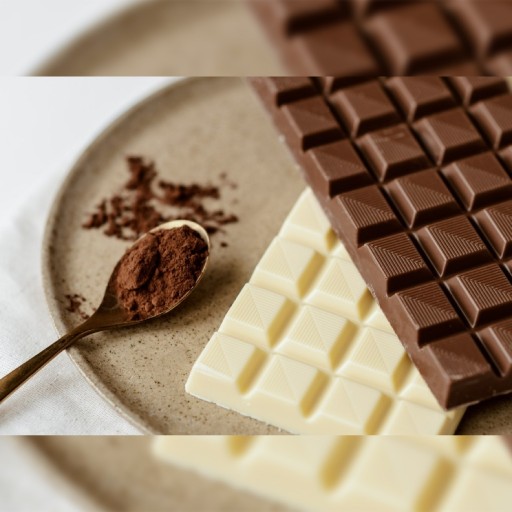
Dark chocolate is still quite caloric—approximately 550 to 600 calories per 100 grams, comparable to milk chocolate. Cocoa butter is a fat, and excessive consumption can increase cholesterol levels.
Nutritionists recommend:
A daily intake of approximately 20 grams of high-purity dark chocolate (cocoa content of 70% or more) is an ideal intake.
Select brands with simple ingredients, low sugar content, and no added hydrogenated oils or artificial flavors.
If you are at risk for diabetes or obesity, you should limit your consumption. Furthermore, many commercially available "dark chocolates" are actually just flavored chocolates with a darker color and a lower cocoa content. Consumers should carefully read the ingredient list before purchasing and avoid being misled by the "dark" appearance.
5. The "Healing Power" of Chocolate from a Psychological Perspective
Chocolate's appeal stems not solely from its nutritional benefits. Its aroma, taste, and the delightful sensation of melting chocolate provide a kind of "psychological comfort." Scientifically known as the "sensory reward effect," this effect can temporarily boost dopamine levels in the brain, leading to feelings of happiness and satisfaction.
Therefore, enjoying chocolate in moderation need not be guilt-ridden. The real question is "what type, how much, and how to eat it." When combined with a balanced diet and regular exercise, chocolate can become a part of a healthy lifestyle.
6. Conclusion: The key to health lies not in "dark" or "milky," but in "wise choices."
Dark chocolate does offer advantages in antioxidants and cardiovascular protection, but this does not mean it is a "cure-all health food." True health depends on your overall diet and lifestyle. For chocolate lovers, the wisest approach is to:
Choose dark chocolate that's high in cocoa and low in sugar;
Control your daily intake;
Don't rely on chocolate for all its antioxidant benefits.
When we enjoy the "bitter sweetness" with a conscious approach, dark chocolate becomes more than just a delicious treat; it becomes a small, precious joy in life.
 1
1 1
1OTHER NEWS
-
- How much longer can the eurozone hold out? The ECB has reached the end of its rate hike cycle
- By ZXY 01 Aug,2025

-
- Is German manufacturing losing its edge? The latest casualty of the US-China strategic rivalry
- By ZXY 29 Jul,2025

-
- Trump reignites tariff war, global supply chains face another shakeup
- By ZXY 28 Jul,2025

-
- Credit card points and rewards seem cost-effective, but they actually hide these traps
- By ZXY 01 Sep,2025

-
- Fixed deposits are not as good as flexible financial management? Analysis of financial management trends in 2025
- By ZH 24 Jul,2025

-
- Yield Curve Inversion Resurfaces: Is There Still Hope for a Soft Landing in the U.S. Economy?
- By ZXY 31 Jul,2025

-
- How do I Choose Between Selling my Home and Renting it out?
- By Wendy 24 Apr,2023

-
- With China's exports declining, is the global consumption chain beginning to break?
- By ZXY 31 Jul,2025

-
- Why Do Most People Overlook “Cash Flow Risk”?
- By ZXY 11 Oct,2025

-
- How much longer can the seven tech giants of the US stock market withstand high interest rates?
- By ZXY 28 Jul,2025

-
- The widening U.S. fiscal deficit is fueling debt concerns
- By ZXY 30 Jul,2025

-
- Who is the Primary Lender When Applying for a Home Loan? These Points are Important!
- By Little Grapes 24 Apr,2023