Composting for Beginners: Turning Kitchen Scraps into “Black Gold”
In modern households, the kitchen produces a certain amount of food scraps every day. Many people are used to throwing them away directly, without realizing that these seemingly useless “wastes” are actually the most valuable gardening resource.
Through composting, you can transform daily fruit peels, vegetable leaves, coffee grounds, and even eggshells into fertile “black gold” that helps your flowers and vegetables grow healthier and stronger.
Composting not only reduces waste but also improves soil structure, provides nutrients, and helps plants resist diseases. More importantly, it is a deeply rewarding lifestyle—giving new value to things that would otherwise be discarded.
What Is Composting?
Composting is a natural process in which microorganisms break down organic matter. Simply put, it’s about returning “waste” back to the soil. Through decomposition, kitchen scraps turn into dark, crumbly, earth-scented organic matter—what we often call “black gold.”
The essence of composting lies in balance. When food scraps, leaves, and paper are mixed in the right carbon-to-nitrogen ratio, microorganisms can work efficiently to turn these materials into nutrient-rich soil amendments.
What Can Be Composted?
Not all kitchen scraps are suitable for the compost pile. They can generally be divided into two categories:
Green materials (nitrogen-rich): vegetable scraps, fruit peels, coffee grounds, tea leaves, grass clippings, eggshells, etc.
Brown materials (carbon-rich): dry leaves, shredded paper, cardboard, sawdust, straw, etc.
During the composting process, it’s important to keep a balance between these two. A simple rule of thumb: use more brown materials than green materials so the compost won’t become too wet or smelly.
Materials not suitable for composting include meat, dairy products, oils, diseased plants, and pet waste. These can create foul odors, attract pests, and even contaminate the compost.
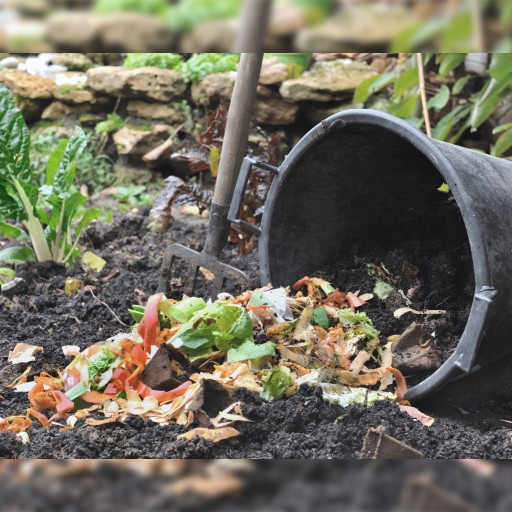
Basic Conditions for Composting
For composting to proceed smoothly, the following conditions must be met:
Air: Microorganisms need oxygen to break down organic matter, so good airflow in the pile is essential.
Moisture: Compost should feel like a wrung-out sponge—too dry and decomposition slows down; too wet and it may smell.
Temperature: A compost pile naturally heats up as microbes work. When the temperature is moderate, decomposition is fastest.
Ratio: The ideal carbon-to-nitrogen ratio is about 30:1. In simple terms, use slightly more brown materials than green ones.
How to Start Composting
For beginners, composting is not complicated. You can start with the following steps:
Prepare a container
You can use a compost bin, compost tumbler, or even an open compost pile. Rotating compost bins available on the market are convenient and well-suited for small households.
Create a base
Place a layer of dry leaves or cardboard at the bottom to help with drainage and airflow.
Layer materials
Alternate layers of green and brown materials, like making a “layered cake.” Keep each layer thin to allow air circulation.
Maintain moisture and turn the pile
If the compost is too dry, lightly sprinkle with water; if it’s too wet, add more dry leaves or paper. Turn the pile every 1–2 weeks to speed up decomposition and prevent clumping.
Wait for it to mature
Composting typically takes 2–6 months. When it becomes dark brown, crumbly, and smells like fresh earth, it’s ready.
How to Tell If Compost Is Ready
Mature compost has a few clear signs:
Dark in color, almost black.
Crumbly texture, easy to spread.
No visible food scraps.
Fresh, earthy smell similar to forest soil.
If your compost still smells bad or shows recognizable scraps like peels or vegetable bits, it needs more time.
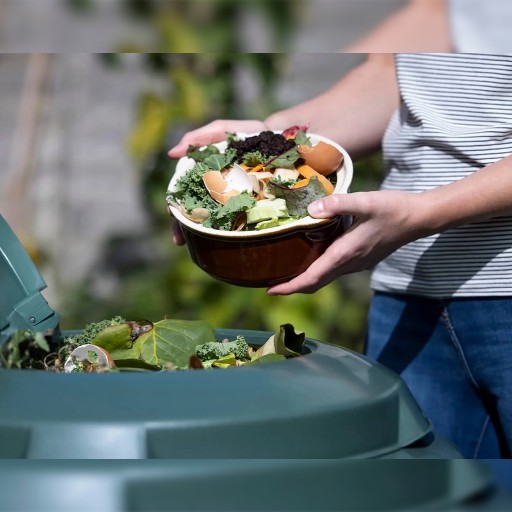
Uses of Finished Compost
“Black gold” is truly a versatile tool in gardening:
Soil improvement: Mix compost into pots or garden soil to enhance aeration and water retention.
Fertilizer: Spread compost around plant roots to release nutrients slowly.
Organic liquid fertilizer: Soak compost in water for a few days to create a natural liquid feed.
With long-term use, compost can make plant leaves greener, flowers more vibrant, and fruits more abundant.
Common Problems and Solutions
What if the compost smells bad?
This may be due to too much nitrogen or excess moisture. Add more dry leaves or shredded paper, and turn the pile.
Why is decomposition so slow?
The materials may be too dry or lacking oxygen. Add a little water and turn the pile to stimulate microbial activity.
Is it normal to see small bugs in compost?
Yes. Earthworms and small insects are natural helpers in composting and aid in breaking down material faster.
The Value of Composting
Composting is not just about turning scraps into treasure—it also brings us closer to nature. Watching peels and leaves transform into fertile soil in just a few months is a magical experience. At the same time, composting reduces waste and helps create a more sustainable home environment.
For plant lovers, homemade compost is far more satisfying than store-bought fertilizer, because you know every bit of it comes from daily life.
Composting is an ancient yet practical technique that teaches us to respect nature’s cycle. As long as you grasp the basic principles, anyone can easily do it at home. The next time you see fruit peels, coffee grounds, or vegetable scraps, think again—they might just be the “black gold” your plants are waiting for.
Composting not only makes plants healthier but also fills our lives with responsibility and joy. Turning food scraps into nutrients is both a gardener’s wisdom and a gentle gift for the future.
 1
1 1
1OTHER NEWS
-
- Should you Choose a Real Estate Agent When Buying a Home?
- By Wendy 24 Apr,2023

-
- Watch out for the Following Credit Card Scams!
- By Wendy 24 Apr,2023

-
- Fixed deposits are not as good as flexible financial management? Analysis of financial management trends in 2025
- By ZH 24 Jul,2025

-
- Why Do Most People Overlook “Cash Flow Risk”?
- By ZXY 11 Oct,2025

-
- Do small businesses really need tax services? When can they file their own taxes?
- By YCY 27 Jan,2026

-
- Who is the Primary Lender When Applying for a Home Loan? These Points are Important!
- By Little Grapes 24 Apr,2023

-
- Global manufacturing is slowing down in tandem. When will deflation strike?
- By ZXY 01 Aug,2025

-
- Is German manufacturing losing its edge? The latest casualty of the US-China strategic rivalry
- By ZXY 29 Jul,2025

-
- How to Avoid Being Scammed by Credit Card Fraud!
- By Wendy 24 Apr,2023

-
- Real Estate Investment Needs to be Careful!
- By Little Grapes 24 Apr,2023

-
- What does the upgraded regulation of digital currencies mean to investors?
- By ZH 25 Jul,2025

-
- How much longer can the seven tech giants of the US stock market withstand high interest rates?
- By ZXY 28 Jul,2025