Which is better for lycopene: eating tomatoes raw or cooked?
Among many everyday foods, tomatoes are widely popular for their sweet and sour taste and rich nutrition. It's often said that "tomatoes are a natural treasure trove of lycopene." Lycopene, a powerful antioxidant, is closely linked to cardiovascular protection, slowing aging, and reducing the risk of certain chronic diseases.
However, many people ask: Is it healthier to eat tomatoes raw or cooked? There's actually a whole science of nutrition behind this question.
1. What is lycopene?
Lycopene, a carotenoid, is a natural pigment that gives tomatoes their vibrant red color. Its molecular structure effectively scavenges free radicals and plays an important role in cardiovascular health, prostate health, and antioxidant and anti-aging properties. Unlike vitamins C and E, lycopene is a fat-soluble nutrient, meaning it requires the presence of fat for optimal absorption.
Simply put, lycopene is like the "hidden energy" in tomatoes, but whether we absorb it depends on how we eat it.
2. Advantages of Eating Tomatoes Raw
Many people enjoy biting into a fresh tomato for its sweet, thirst-quenching flavor, especially in the summer. Eating tomatoes raw does have several significant benefits:
Retains Vitamin C
Raw tomatoes maximize the retention of vitamin C, a water-soluble vitamin that is easily destroyed by heat. Vitamin C helps boost immunity, promotes iron absorption, and promotes collagen synthesis in the skin.
Refreshing Taste, Appetizing and Relieves Greasiness
The sour and sweet taste of raw tomatoes stimulates the taste buds, promotes saliva and gastric acid secretion, and aids digestion.
Supplements Dietary Fiber
Tomatoes that have not been heated or processed have a more complete dietary fiber structure, which helps with intestinal motility.
However, the absorption rate of lycopene in raw tomatoes is not very high. This is because most of the lycopene is "locked" in the plant cell walls, making it difficult for the human digestive system to fully release it.
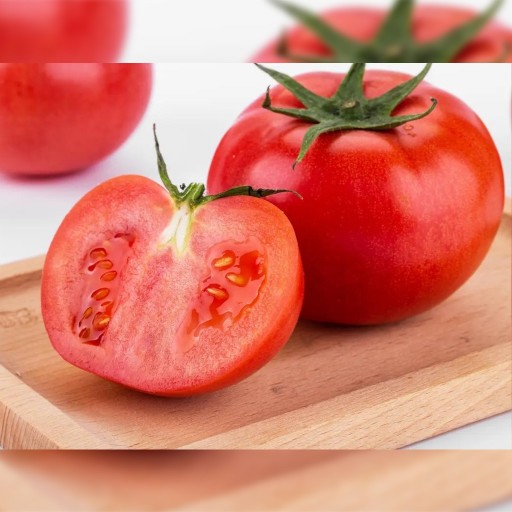
3. The Secret of Cooking Tomatoes
Once cooked, the nutritional structure of tomatoes undergoes subtle changes. The common saying "fried tomatoes are more nutritious" actually refers to the significantly increased absorption rate of lycopene. High Temperature Releases Lycopene
Heating breaks down cell walls, making it easier for the previously "trapped" lycopene to be released and dissolved in the oil, allowing the body to naturally absorb more of it.
Oil Aids Absorption
In oily dishes like scrambled eggs with tomatoes and tomato and beef brisket soup, the oil helps lycopene bind to bile, making it more easily absorbed in the small intestine. This is why stir-fried tomatoes are often more nutrient-efficient than cold tomatoes.
Balancing Nutrient Losses and Gains
Although heating causes some loss of vitamin C, the availability of lycopene increases exponentially. For those seeking antioxidant supplements, cooked tomatoes offer a clear advantage.
4. What Does Scientific Research Say?
Numerous studies in nutrition have shown that cooked tomatoes enhance lycopene absorption. For example, one study found that the bioavailability of lycopene in heated tomato products is two to three times higher than in fresh tomatoes.
This explains why many people in Europe and the United States enjoy ketchup, tomato juice, and tomato soup as a key part of their daily diet. Long-term consumption can reduce the risk of cardiovascular disease and certain cancers.
5. How to Balance Raw and Cooked Consumption?
The question then becomes: Should we always cook tomatoes before eating them? Actually, there's no need to go to such extremes. Both raw and cooked consumption have their value, and a balanced combination can provide a more comprehensive nutritional profile.
To supplement vitamin C, raw consumption is better
For example, salads, cold tomato salads, or simply eating them are refreshing and meet your daily vitamin C needs.
To supplement lycopene, cooked consumption is better
For example, scrambled eggs with tomatoes, tomato beef soup, or tomato fish stew. It's best to add a little oil for better absorption.
Daily Recommendation: Combine raw and cooked consumption
For example, eat a raw tomato for breakfast to supplement vitamin C, and scrambled eggs with tomatoes for dinner to absorb the lycopene. Combining these two methods is the true balance.
6. Tips for Choosing and Cooking
Choose ripe tomatoes
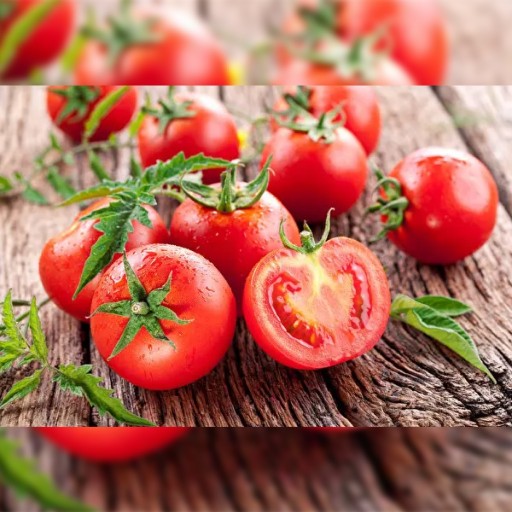
Ripe tomatoes have a deeper red color and a higher lycopene content. Unripe tomatoes that are light green or pale yellow are not only low in lycopene but may also contain solanine and are therefore not suitable for consumption. Moderate cooking time
Lycopene is relatively stable at high temperatures, but overcooking can degrade the taste and cause greater nutritional loss. Generally, heating for about 10 minutes is sufficient.
Pair with healthy oils
Vegetable oils such as olive oil, canola oil, and peanut oil are good choices, enhancing flavor and aiding lycopene absorption.
7. Further Consideration: The Value of Tomato Products
In addition to fresh tomatoes, many people overlook products like tomato sauce, tomato juice, and sun-dried tomatoes. In fact, these products, due to their concentration or processing, contain higher concentrations of lycopene. For example, tomato sauce contains several times more lycopene than fresh tomatoes.
Of course, when choosing, be mindful of added sugar and salt to avoid overly seasoned foods that could harm your health.
8. Conclusion
In summary, from the perspective of lycopene absorption, cooked tomatoes are superior. Heating not only releases more lycopene, but also helps it absorb better into the body when combined with oil. However, this doesn't mean that eating tomatoes raw is without value; it remains a good way to supplement vitamin C.
The ideal situation is to combine raw and cooked tomatoes in daily diet, so that you can enjoy the refreshing taste and gain antioxidant power, making tomatoes truly the "red guardian" of health and deliciousness on the table.
 1
1 1
1OTHER NEWS
-
- With China's exports declining, is the global consumption chain beginning to break?
- By ZXY 31 Jul,2025

-
- Should you Choose a Real Estate Agent When Buying a Home?
- By Wendy 24 Apr,2023

-
- Gold surges to a new all-time high—what are investors afraid of?
- By ZXY 29 Jul,2025

-
- Trump reignites tariff war, global supply chains face another shakeup
- By ZXY 28 Jul,2025

-
- High-yield stocks vs. growth stocks: Which type of investment is more resistant to risks? A game of wealth defense and offense
- By ZH 23 Jul,2025

-
- Yield Curve Inversion Resurfaces: Is There Still Hope for a Soft Landing in the U.S. Economy?
- By ZXY 31 Jul,2025

-
- Mobile phone is the bank: one-click account opening, one-click financial management, digital financial life is coming
- By ZH 24 Jul,2025

-
- How do I Choose Between Selling my Home and Renting it out?
- By Wendy 24 Apr,2023

-
- How much longer can the eurozone hold out? The ECB has reached the end of its rate hike cycle
- By ZXY 01 Aug,2025

-
- Do small businesses really need tax services? When can they file their own taxes?
- By YCY 27 Jan,2026

-
- How to Avoid Being Scammed by Credit Card Fraud!
- By Wendy 24 Apr,2023

-
- How much longer can the seven tech giants of the US stock market withstand high interest rates?
- By ZXY 28 Jul,2025