Can black sesame seeds really prevent hair loss? You may have misunderstood them.
Black sesame seeds are practically a "star ingredient" in health discussions. Many people believe that regularly eating black sesame seeds can make hair darker, thicker, and slow hair loss, even touting it as a "natural hair growth secret."
A common claim on social media goes something like this: "A handful of black sesame seeds a day will turn gray hair black, and you won't have to worry about hair loss." It sounds plausible, but is it really true? Is black sesame a true "panacea" for hair loss? Perhaps you've misunderstood its benefits.
Why are black sesame seeds associated with hair?
The connection between black sesame seeds and hair stems primarily from traditional health concepts. Traditional Chinese medicine texts mention that black sesame seeds can "tonify the liver and kidneys, and improve essence and blood."
The liver and kidneys are considered closely related to hair health. Coupled with the inherent black color of black sesame seeds, people easily associate them with "black hair" and "preventing hair loss."
From a modern nutritional perspective, black sesame seeds are indeed rich in protein, unsaturated fatty acids, calcium, iron, vitamin E, and B vitamins. These nutrients do help maintain healthy hair follicles, promote blood circulation in the scalp, and slow aging. For this reason, black sesame has earned the reputation of being a "hair-protecting" herald.
However, the problem is: the causes of hair loss are far more complex than you might imagine, and simply eating black sesame seeds may not be the solution.
What is the real cause of hair loss?
To understand whether black sesame seeds can prevent hair loss, we must first understand the root causes. Common clinical causes of hair loss include:
Hereditary hair loss
For example, male pattern baldness is related to androgen sensitivity and genetics. This type of hair loss typically manifests as a receding hairline and thinning hair on the crown. Black sesame seeds cannot alter genetics or inhibit hormone effects.
Malnutrition
Deficiencies in nutrients such as protein, iron, and zinc can indeed lead to brittle hair and hair loss. Nutritional supplementation can be helpful, and black sesame seeds are indeed valuable in supplementing iron and calcium.
Mental stress
Excessive late nights and anxiety can disrupt the body's hormonal balance and blood circulation, leading to significant hair loss. Eating more black sesame seeds in these situations will likely not improve hair loss. Endocrine Diseases
Thyroid disease, postpartum hormonal changes, and immune system problems can also cause hair loss. These conditions require medical diagnosis and treatment, not just diet.
Unhealthy Lifestyle Habits
Currently using hair dyes and perms, overuse of styling products, and inadequate scalp cleansing can damage hair follicles. Eating black sesame seeds in these situations will not "repair" hair follicles.
Thus, while black sesame seeds may provide nutritional support, they are far from a "miracle cure for hair loss."
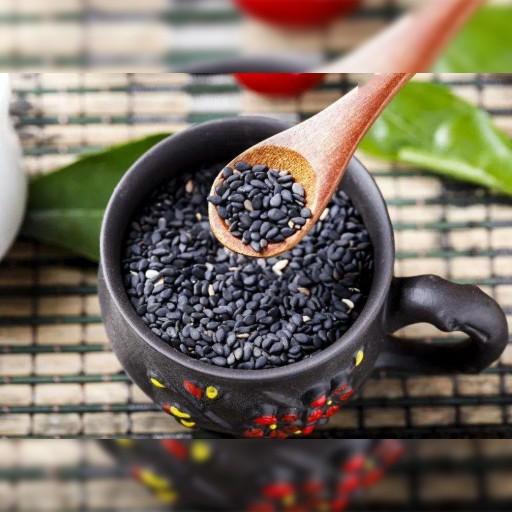
The Real Benefits of Black Sesame Seeds
Since they can't directly prevent hair loss, what benefits do they actually offer?
Providing High-Quality Nutrition
Black sesame seeds are rich in unsaturated fatty acids (such as linoleic acid), which promote blood circulation in the scalp. They also contain protein, a building block for hair synthesis.
Antioxidant Effects
The vitamin E and sesamol in black sesame seeds have antioxidant properties that can slow cell aging and have a positive effect on scalp health.
Assisting in Improving Hair Quality
Consistently consuming them in moderation over a long period of time may make hair more lustrous, but this improvement is more about "nourishing" than "preventing hair loss." In other words, black sesame's role in hair care is more like adding icing on the cake, not providing a life-saving boost.
Why do many people feel it's "effective"?
Some people say, "I've actually reduced my hair loss after eating black sesame!" This could be due to several reasons:
Nutritional deficiency-related hair loss: Pre-existing iron or protein deficiencies can be addressed by eating black sesame, which replenishes nutrients and naturally improves hair growth.
Psychological suggestion: Believing it works leads to greater relaxation and reduced stress, indirectly improving hair loss.
Other habit improvements: Many people who eat black sesame also start to go to bed earlier and stay up late less, but the effects can't be attributed solely to the sesame itself.
Thus, feeling effective doesn't mean black sesame itself is a "cure."
What should you do to truly prevent hair loss?
If you truly want to fundamentally prevent or improve hair loss, you can start with the following:
A balanced diet
Not only black sesame, but also eggs, fish, beans, nuts, and green leafy vegetables can provide essential nutrients for hair.
A regular sleep schedule
Get enough sleep, reduce late nights and excessive stress, and help balance hormones. Scalp Care
Maintain cleanliness and moderate massage to reduce oil accumulation and improve the hair follicle environment.
Reduce Damage
Reduce frequent hair dyeing and perming, and avoid prolonged use of high-temperature blow-drying and strong styling products.
Medical Intervention
If hair loss is hereditary or severe, seek medical attention promptly. Your doctor may recommend medication or other treatment options.
Black sesame seeds can be a nutritional supplement, but they are not a panacea.
Black sesame seeds are indeed a highly nutritious ingredient, and moderate consumption is beneficial to both the body and hair. However, the label "anti-hair loss" is largely overstated. True hair loss prevention requires a comprehensive approach to diet, lifestyle, and medical treatment, rather than relying on a single food.
So, the next time you hear the saying, "A handful of black sesame seeds a day will keep hair loss at bay," stay grounded. There's nothing wrong with eating black sesame seeds, but don't let them be labeled as having undeserved "miracle benefits." After all, a healthy lifestyle is your true weapon in the fight against hair loss.
 1
1 1
1OTHER NEWS
-
- How much longer can the eurozone hold out? The ECB has reached the end of its rate hike cycle
- By ZXY 01 Aug,2025

-
- Is German manufacturing losing its edge? The latest casualty of the US-China strategic rivalry
- By ZXY 29 Jul,2025

-
- Trump reignites tariff war, global supply chains face another shakeup
- By ZXY 28 Jul,2025

-
- Credit card points and rewards seem cost-effective, but they actually hide these traps
- By ZXY 01 Sep,2025

-
- Fixed deposits are not as good as flexible financial management? Analysis of financial management trends in 2025
- By ZH 24 Jul,2025

-
- Yield Curve Inversion Resurfaces: Is There Still Hope for a Soft Landing in the U.S. Economy?
- By ZXY 31 Jul,2025

-
- How do I Choose Between Selling my Home and Renting it out?
- By Wendy 24 Apr,2023

-
- With China's exports declining, is the global consumption chain beginning to break?
- By ZXY 31 Jul,2025

-
- Why Do Most People Overlook “Cash Flow Risk”?
- By ZXY 11 Oct,2025

-
- How much longer can the seven tech giants of the US stock market withstand high interest rates?
- By ZXY 28 Jul,2025

-
- The widening U.S. fiscal deficit is fueling debt concerns
- By ZXY 30 Jul,2025

-
- Who is the Primary Lender When Applying for a Home Loan? These Points are Important!
- By Little Grapes 24 Apr,2023