Dark Vegetables vs. Light Vegetables: How Big is the Difference in Nutritional Value?
In our daily diet, vegetables are an essential part of our health. They not only provide a wealth of vitamins and minerals, but also deliver a significant amount of dietary fiber to our intestines, helping maintain health.
However, have you noticed that vegetables come in a wide variety of colors, from dark green to light yellow, from purple-red to pure white? This isn't just a visual difference; it's also a hidden indicator of their nutritional content.
Today, let's discuss the nutritional differences between dark and light vegetables and how to balance them in your daily diet to get the most out of every bite.
1. Color and Nutrition: Why Do Vegetables Come in Different Colors?
The color of vegetables primarily comes from natural pigments, and different pigments represent different nutritional profiles. For example:
Green vegetables: Contain chlorophyll, commonly found in spinach, kale, and collard greens.
Red or orange vegetables: Rich in carotenoids, such as carrots, bell peppers, and tomatoes.
Purple vegetables: Primarily due to anthocyanins, such as purple cabbage, eggplant skin, and purple onions. White vegetables: Although they may look "understated," they are often rich in potassium and vitamin C, such as bok choy and white radish.
These pigments not only enhance their appearance but also serve as a vital "shield" for antioxidant protection and cellular well-being.
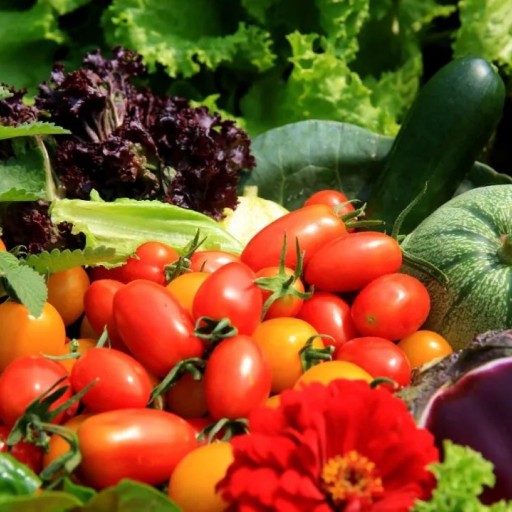
2. Dark Vegetables: A Small Bite, Big Energy
According to nutritional standards, dark vegetables refer to leafy greens and colored vegetables that are darker than common light-colored vegetables, such as spinach, rapeseed, red cabbage, broccoli, and carrots.
So, what are the nutritional advantages of dark vegetables?
1. Rich in beta-carotene and vitamin A precursors
Dark green and orange vegetables are a treasure trove of beta-carotene. Once absorbed into the body, this substance is converted into vitamin A, which protects vision and boosts immunity.
For example, 100 grams of spinach contains over three times the beta-carotene content of bok choy.
2. Stronger Antioxidant Capacity
Dark vegetables are often rich in antioxidants, such as vitamins C and E, anthocyanins, and lutein. These antioxidants neutralize free radicals, slow cell aging, and are beneficial for cardiovascular health and skin condition. 3. Higher iron, calcium, and magnesium content
Take spinach, for example. Every 100 grams of spinach contains approximately 2.9 mg of iron, far exceeding the 0.4 mg found in white radish. Dark-colored vegetables are a crucial choice for those with anemia and those with healthy bones.
4. They help reduce the risk of chronic diseases
Research shows that the polyphenols and antioxidants in dark-colored vegetables have a positive effect on reducing the risk of cardiovascular disease and certain cancers.
3. Light-colored vegetables: Understated but essential
Many people mistakenly believe that light-colored vegetables are "unnutritious," but this is a major misconception. Although light-colored vegetables like bok choy, lettuce, white radish, and winter melon have a lighter color, they also have their own unique qualities.
1. Rich in water and fiber, they are light and refreshing. Light-colored vegetables are high in water and low in calories, making them ideal for weight management. They also increase satiety and reduce the risk of overeating.
2. Rich in potassium, they help regulate blood pressure. Winter melon and celery, for example, are rich in potassium, which helps excrete sodium and maintain fluid balance, making them particularly beneficial for people with high blood pressure. 3. Low irritation, better suited for those with weak spleens and stomachs
Compared to the "cold" or "astringent" feeling some dark-colored vegetables can cause, light-colored vegetables are gentler and suitable for those with sensitive stomachs or those recovering from surgery.
3. Unique functional ingredients
The glucosinolates in white radish aid digestion and stimulate appetite, while the dietary fiber in cabbage can also help with bowel movements.
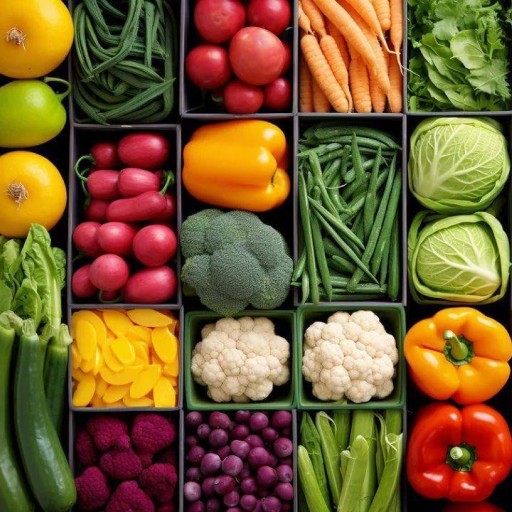
4. How significant is the nutritional difference?
According to the Dietary Guidelines, a daily intake of 300-500 grams of vegetables is recommended, half of which should be dark-colored. The reason is simple:
Dark-colored vegetables contain an average of five times the vitamin A content of light-colored vegetables.
Dark-colored vegetables generally have higher antioxidant content than light-colored vegetables.
Dark-colored vegetables also have an advantage in minerals such as calcium, iron, and magnesium.
But this doesn't mean light-colored vegetables are useless. From the perspectives of hydration, dietary fiber, and potassium, they remain an essential part of the diet.
In other words, dark-colored vegetables are "nutrient-concentrated," while light-colored vegetables are "light and hydrating," each with its own strengths.
5. What's the best way to combine colors in your daily diet?
1. Pair dark and light colors; the richer the better
A dish should have at least two colors. For example, stir-fried broccoli with carrots, or bok choy with purple cabbage, not only complement each other's nutrients but also stimulate appetite.
2. Cooking method is crucial
Dark vegetables: Many vitamins are sensitive to heat, so they can be quickly stir-fried or steamed instead of blanching.
Carrots, pumpkin, etc.: Beta-carotene is better absorbed when exposed to oil, so adding a little oil to stir-frying is a bonus.
3. Eat at least half dark vegetables daily
If you eat 500 grams of vegetables daily, at least 250 grams should be dark vegetables like spinach, rapeseed, broccoli, and carrots. The rest should be cabbage, lettuce, and radish for a balanced and varied diet.
4. Prioritize seasonal freshness
In-season vegetables not only taste better but also have higher nutritional value. Spring spinach, summer cucumbers, autumn pumpkin, and winter radishes are all good choices.
Conclusion: The color of your dining table is the key to health
Dark vegetables aren't necessarily "more is better," nor are light-colored vegetables nutritionally empty. They're like a symphony orchestra, requiring a balance of light and dark to create a healthy, harmonious melody.
Next time you choose a dish, remember this principle: consider both light and dark. The richer the color, the more nutritionally complete.
Transform your plate from a monotonous look to a vibrant rainbow of health.
 1
1 1
1OTHER NEWS
-
- How much longer can the eurozone hold out? The ECB has reached the end of its rate hike cycle
- By ZXY 01 Aug,2025

-
- Is German manufacturing losing its edge? The latest casualty of the US-China strategic rivalry
- By ZXY 29 Jul,2025

-
- Trump reignites tariff war, global supply chains face another shakeup
- By ZXY 28 Jul,2025

-
- Credit card points and rewards seem cost-effective, but they actually hide these traps
- By ZXY 01 Sep,2025

-
- Fixed deposits are not as good as flexible financial management? Analysis of financial management trends in 2025
- By ZH 24 Jul,2025

-
- Yield Curve Inversion Resurfaces: Is There Still Hope for a Soft Landing in the U.S. Economy?
- By ZXY 31 Jul,2025

-
- How do I Choose Between Selling my Home and Renting it out?
- By Wendy 24 Apr,2023

-
- With China's exports declining, is the global consumption chain beginning to break?
- By ZXY 31 Jul,2025

-
- Why Do Most People Overlook “Cash Flow Risk”?
- By ZXY 11 Oct,2025

-
- How much longer can the seven tech giants of the US stock market withstand high interest rates?
- By ZXY 28 Jul,2025

-
- The widening U.S. fiscal deficit is fueling debt concerns
- By ZXY 30 Jul,2025

-
- Who is the Primary Lender When Applying for a Home Loan? These Points are Important!
- By Little Grapes 24 Apr,2023