Electric Vehicles vs. Hybrid Vehicles:Which is Right for You?
As the automotive industry accelerates its transition to clean energy, a key question facing consumers is: Should they choose an electric vehicle (EV) or a hybrid? While both focus on energy efficiency and environmental protection, they each have their own advantages and disadvantages in terms of driving experience, convenience, and long-term costs.
The key to choosing the right vehicle is to find the best fit based on your lifestyle, travel needs, and budget.
Electric Vehicles: The Future of Pure Electric Drive
The biggest selling point of electric vehicles is zero-emission driving. Powered by large-capacity batteries and electric motors, electric vehicles produce no exhaust pollution. Furthermore, the motors deliver immediate power, with quick throttle response and smooth acceleration. Many drivers are surprised by the "instantaneous push" they experience on their first try.
In daily use, the advantages of electric vehicles lie not only in the driving experience but also in their low maintenance costs. Compared to traditional engines, the motor and battery pack are simpler in structure, without oil, spark plugs, or complex exhaust systems. This reduces the need for frequent maintenance and keeps long-term costs more manageable.
However, electric vehicles also have significant limitations. Range and charging convenience are two of the most important factors for consumers. While some high-end models on the market now offer the range needed for long-distance driving, most electric vehicles are still more suitable for urban commuting or short- to medium-distance travel on a single charge.
Furthermore, if you don't have access to a private charging station, you'll need to rely on the public charging network, which may require planning your trip and waiting for a recharge. For drivers accustomed to the "gas and go" lifestyle, this shift requires some adjustment.
In short, electric vehicles are better suited for:
People who primarily drive short distances in urban or suburban areas
People who want to reduce long-term maintenance costs
Users who are environmentally conscious and willing to adapt to charging habits
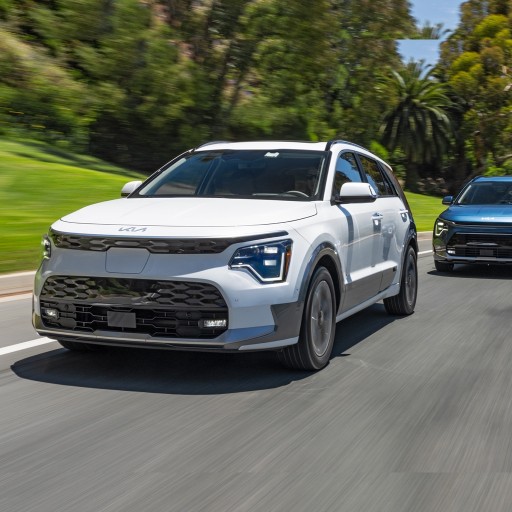
Hybrid vehicles: A practical blend of fuel and electricity
Hybrid vehicles have become increasingly popular with consumers over the past decade or so. They combine the advantages of an internal combustion engine and an electric motor: at low speeds, the electric motor drives the vehicle, providing energy efficiency and quietness; at highway speeds or for long distances, the engine takes over, providing a more stable range.
The benefits of this "dual driving mode" are obvious: there's no need to worry about running out of power. When the battery is depleted, a hybrid vehicle seamlessly switches to fuel mode to continue driving, eliminating the need for strategically located charging stations.
This convenience is particularly appealing to drivers who frequently travel long distances or lack regular access to charging stations.
In terms of fuel economy, hybrid vehicles are generally more fuel-efficient than traditional gasoline-powered vehicles. Energy recovery systems convert some of the energy generated during braking or deceleration into stored electricity, improving overall efficiency.
While hybrid vehicles don't offer the same "zero fuel consumption" as pure electric vehicles, for many people, this balance better suits their needs.
Of course, hybrid vehicles also have some drawbacks. First, their mechanical complexity, including both an engine and an electric motor, means maintenance costs can be higher than for electric vehicles.
Second, while their fuel efficiency is excellent, they are still not as environmentally friendly as electric vehicles. For those pursuing the ultimate in green travel, hybrid vehicles are merely a transitional solution.
Hybrid vehicles are better suited for:
People who frequently drive long distances or travel across town
Drivers who aren't quite ready to switch to pure electric travel
People who want to balance fuel efficiency with some energy savings
Cost Comparison: Purchase and Long-Term Outlays
When purchasing a vehicle, the initial price of an electric vehicle is often higher than that of a comparable hybrid vehicle. While there are some affordable electric vehicles on the market, overall, battery costs remain a key factor in determining the price of an electric vehicle.
Hybrid vehicles, by comparison, have an entry price closer to that of regular fuel vehicles, making them more affordable for those on a budget.
However, in the long run, electric vehicles offer a significant advantage in terms of daily driving expenses. Electricity prices are generally lower than fuel prices, resulting in lower per-mile (or per-kilometer) driving costs than both fuel and hybrid vehicles. Furthermore, electric vehicles require less maintenance, and these savings can add up to a significant difference over several years.
The advantage of hybrid vehicles lies in their flexibility. Even when fuel prices fluctuate, they still offer a cost-effective alternative to traditional fuel vehicles. When electricity is unavailable, they can still maintain regular driving without the added burden.
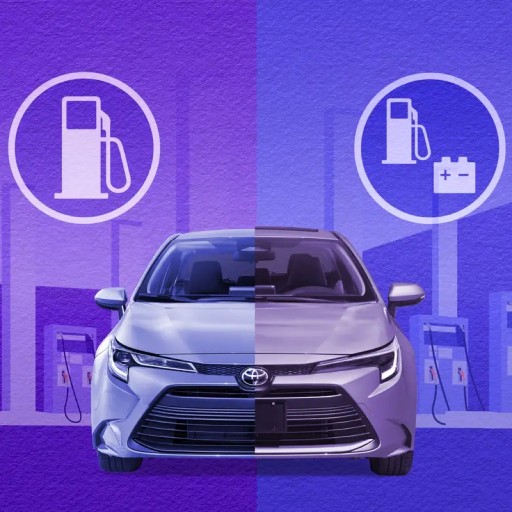
Driving Experience Compatibility with Lifestyle
Beyond price and fuel efficiency, the compatibility of different models with your lifestyle is also crucial.
For drivers seeking a quiet, smooth, and technologically advanced experience, the driving experience of electric vehicles is often more appealing. The quiet interior, instant power delivery, and high-tech central control and intelligent driver assistance features make you feel like you're transported to the future.
For drivers who prefer a traditional driving experience but want to save on fuel, hybrid vehicles offer improved efficiency while retaining the engine sound and accelerator pedal feedback.
If your daily commute is short but you occasionally need to travel longer distances, the choice depends on whether you are willing to adjust your charging habits.
Summary: How to choose?
There's no absolute advantage or disadvantage when it comes to electric vehicles vs. hybrid vehicles; it's all about which one is right for you.
If you mostly travel short distances, can charge at home or at a fixed location, and value environmental friendliness and a sense of technology, an electric vehicle is undoubtedly the best choice.
If your driving habits include frequent long-distance trips or you don't have access to comprehensive charging facilities, a hybrid vehicle can offer a more worry-free experience.
Whichever you choose, the trend is towards greater environmental friendliness and efficiency. Electric vehicles represent the future, while hybrids offer a stable transition solution. The ultimate answer depends on: your driving habits, budget, and your consideration of convenience in life.
 1
1 1
1OTHER NEWS
-
- With China's exports declining, is the global consumption chain beginning to break?
- By ZXY 31 Jul,2025

-
- Should you Choose a Real Estate Agent When Buying a Home?
- By Wendy 24 Apr,2023

-
- Gold surges to a new all-time high—what are investors afraid of?
- By ZXY 29 Jul,2025

-
- Trump reignites tariff war, global supply chains face another shakeup
- By ZXY 28 Jul,2025

-
- High-yield stocks vs. growth stocks: Which type of investment is more resistant to risks? A game of wealth defense and offense
- By ZH 23 Jul,2025

-
- Yield Curve Inversion Resurfaces: Is There Still Hope for a Soft Landing in the U.S. Economy?
- By ZXY 31 Jul,2025

-
- Mobile phone is the bank: one-click account opening, one-click financial management, digital financial life is coming
- By ZH 24 Jul,2025

-
- How do I Choose Between Selling my Home and Renting it out?
- By Wendy 24 Apr,2023

-
- How much longer can the eurozone hold out? The ECB has reached the end of its rate hike cycle
- By ZXY 01 Aug,2025

-
- Do small businesses really need tax services? When can they file their own taxes?
- By YCY 27 Jan,2026

-
- How to Avoid Being Scammed by Credit Card Fraud!
- By Wendy 24 Apr,2023

-
- How much longer can the seven tech giants of the US stock market withstand high interest rates?
- By ZXY 28 Jul,2025